Solr Energy South Africa PTY Ltd is a Solar energy equipment supplier establishment in Pinetown, KwaZulu-Natal, South Africa
Pinetown
KwaZulu-Natal
South Africa
Sorry, no records were found. Please adjust your search criteria and try again.
Sorry, unable to load the Maps API.
Solar energy equipment supplier services in Pinetown, KwaZulu-Natal
In Pinetown, KwaZulu-Natal, solar energy equipment suppliers occupy a pivotal role in enabling homes and businesses to shift towards sustainable power. They typically operate as one-stop shops for a range of photovoltaic (PV) components, storage solutions, and related hardware, while also offering practical sourcing and support that aligns with the region’s climate and energy needs. The services presented by these suppliers focus on delivering reliable hardware, practical advice, and ongoing support rather than on brand promotion or promotional guarantees.
Customers can expect a comprehensive approach to solar projects, beginning with a practical assessment of energy needs. Suppliers often provide a preliminary energy audit or load assessment to understand daily and seasonal consumption. This helps in determining appropriate system size, the number of PV modules required, the capacity of inverters, and the choice of storage options if batteries are employed. In Pinetown’s subtropical climate, considerations such as hot climates, humidity, and occasional spells of cloud cover may influence equipment selection and system configuration.
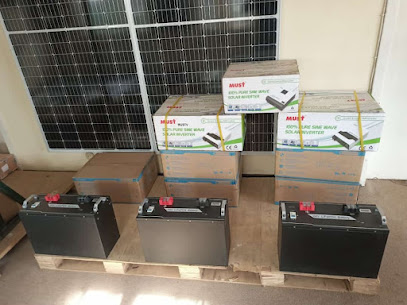
Design and product range form a core part of the offering. Suppliers tend to stock a broad spectrum of components, including PV modules, inverters, mounting and racking systems, DC and AC cables, disconnects, fuses, battery storage units, charge controllers, and related accessories. They may also provide solar water heating components or hybrid solutions where applicable. The emphasis is on compatibility, quality, and suitability for both grid-tied and off-grid applications, with some focus on hybrid systems that combine solar with other energy sources or storage to maximise reliability.
Consultation and system design are typically conducted with practical constraints in mind. Project planning often covers site surveys, shading analysis, roof or ground mounting feasibility, and electrical layout planning. The supplier may assist with obtaining the necessary permits, provider approvals, and coordinating with local authorities, ensuring that installations conform to regional standards and safety requirements. While exact procedures vary, the aim is to deliver a well-engineered system that can be commissioned efficiently and safely.
Installation services, where offered, are designed to ensure proper integration of components and safe operation. This includes securing mounting hardware, module placement, wiring runs, inverter installation, and battery integration where applicable. In many cases, customers will receive guidance on the sequence of installation steps and anticipated timelines, with a focus on minimising disruption to daily operations. Post-installation commissioning validates system performance, ensures electrical safety, and confirms that the system operates within its designed parameters.
Maintenance and ongoing support constitute a key element of the supplier’s role. Routine checks on PV panels, inverters, and battery storage (where used) help to sustain performance and prolong component life. Suppliers may offer seasonal inspections, cleaning recommendations for panels, and advice on monitoring options to track energy production and consumption. When issues arise, the supplier can provide diagnostic assistance, spare parts, and guidance on remediation or parts replacement, keeping downtime to a minimum.
Practical considerations for customers include evaluating total cost of ownership, warranty coverage, and the availability of spare parts within the region. Local suppliers may emphasise lead times, delivery options, and accessibility for servicing in the Durban metropolitan area and surrounding KwaZulu-Natal districts. Given climatic variability and potential grid interruptions, consideration of storage capacity and system resilience is prudent, with a focus on dependable after-sales support and clear communication about expected performance under different weather conditions.
- Site surveys and load assessments
- System design and component compatibility
- Procurement of PV panels, inverters, storage, and accessories
- Installation coordination and safety compliance
- Commissioning, testing, and performance verification
- Maintenance, diagnostics, and spare parts support