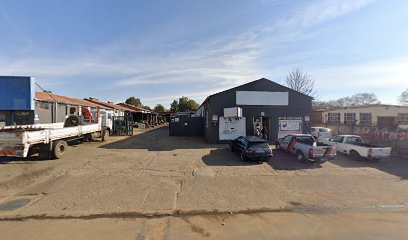
Solar Direct CC is a Solar energy equipment supplier establishment in Newcastle, KwaZulu-Natal, South Africa
Newcastle
KwaZulu-Natal
South Africa
Sorry, no records were found. Please adjust your search criteria and try again.
Sorry, unable to load the Maps API.
Solar energy equipment supplier services in Newcastle, KwaZulu-Natal
In Newcastle, KwaZulu-Natal, solar energy equipment suppliers provide a range of services designed to help customers understand, procure, install, and maintain photovoltaic (PV) systems. The focus is on practical energy solutions that suit the local climate, regulatory environment, and everyday electricity needs. Customers can expect guidance from initial assessment through to ongoing support, with an emphasis on reliability, cost-effectiveness, and long-term performance.
Initial consultations typically begin with a site assessment to evaluate daytime solar exposure, roof or ground mounting options, and electrical infrastructure. Technicians observe shading, accessibility, and structural considerations, then propose a system design tailored to the space available and the client’s energy goals. This stage often includes discussions about whether the installation will be grid-tied (connected to the local network), off-grid, or a hybrid setup that combines solar with energy storage. The aim is to establish feasible sizing for PV panels, inverters, and, if appropriate, battery storage.
Procurement and design form the next phase. Suppliers curate a selection of components that meet the project’s needs, including photovoltaic modules, racking and mounting hardware, inverters, batteries (where storage is desired), wiring, switchgear, safety devices, monitoring equipment, and any necessary surge protection. The design process ensures compatibility between components, adheres to electrical standards, and accounts for local conditions such as humidity, temperature, and potential corrosion from coastal influences. Some projects may prioritise simplicity and affordability, while others focus on high efficiency or larger energy demands for businesses.
Installation and commissioning follow a defined workflow. Trained technicians install mounting systems, secure PV modules, connect electrical components, and wire the system to the consumer’s electrical panel. The commissioning phase includes system testing, performance verification, and documentation of system ratings and configuration. In many cases, suppliers arrange necessary permits or liaise with local authorities to ensure compliance with regulations, safety standards, and grid connection requirements. After commissioning, customers receive a basic briefing on operation and maintenance expectations.
Ongoing support is a common feature of solar equipment supplier services. Routine maintenance may involve cleaning panels, inspecting connections and mounting integrity, and monitoring system performance to detect deviations from expected output. Some suppliers offer extended warranties, on-site service visits, and access to spare parts. For systems incorporating batteries, maintenance considerations cover battery health, charging cycles, and safe handling procedures. Where monitoring is provided, customers can review real-time data on production, consumption, and alerts that indicate potential issues requiring attention.
Practical considerations for Newcastle customers include evaluating return on investment, potential incentives, and the specific energy profile of the site. Local weather patterns, including cloudy periods and seasonal sun exposure, influence system sizing and storage strategies. It is important to consider load management, such as prioritising critical appliances during outages or periods of reduced solar output. Suppliers often advise on feasible backup options and how storage solutions interact with everyday electricity use, especially during Eskom load shedding periods common in South Africa.
In summary, solar energy equipment suppliers in Newcastle provide a lifecycle service—from site assessment and system design to procurement, installation, commissioning, and ongoing maintenance. The emphasis is on practical, locally appropriate solutions that align with energy objectives, regulatory requirements, and long-term performance expectations. Customers gain access to tailored PV configurations, supportive installation practices, and post-installation care that helps households and small businesses optimise their solar investments.