One Energy Secunda is a Solar energy company establishment in Govan Mbeki Local Municipality, Mpumalanga, South Africa
One Energy Secunda: Solar energy solutions with expert installation and personalised service
One Energy Secunda operates as a solar energy company serving homes and small to medium-sized businesses. The organisation emphasises customer-centric, on-site support designed to deliver long-term grid independence. A core aim is to minimise exposure to load shedding, outages and escalating electricity costs by providing a customised solar solution that integrates site assessment, energy auditing, and needs-based design.
The business presents a structured client journey beginning with a site visit by solar experts. This visit includes a thorough site assessment, energy audit, and needs consultation, all described as obligation-free and at no cost. The purpose is to design a long-term solar solution tailored to the individual’s energy profile, ensuring that the proposed system aligns with both current and anticipated future requirements for home or commercial use.
Key services highlighted include expert solar installation and a focus on safe, compliant performance. The provider stresses the importance of compatibility across system components—such as inverters, batteries and municipal metering—advocating for professional handling to avoid issues that could compromise efficiency, safety, or insurance coverage. The emphasis on qualified professionals underlines a commitment to accurate programming, proper configuration, and high installation standards to prevent poor performance or potential hazards.
One Energy Secunda positions itself as a credible and experienced player, underscoring its track record with claims of thousands of installations completed. The firm highlights professional credentials, noting affiliations and certifications that signal adherence to industry standards. Visitors are offered the reassurance of certified installer status, including recognised programmes relevant to solar installations.
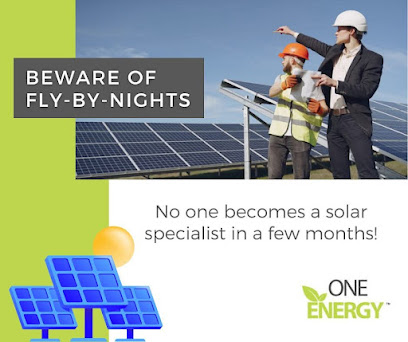
From a market perspective, the company presents itself as a partner in the broader transition to solar power, acknowledging common market pressures such as rising electricity prices and intermittent grid reliability. The messaging advises prospective clients to consider long-term, scalable solutions rather than quick, low-cost options, warning against inexperienced or non-compliant providers who may misrepresent feasibility or safety. This stance suggests a strategic focus on durable, future-proof installations rather than short-term fixes.
A distinctive section outlines a three-step approach to achieving grid independence, framing the customer journey as a progressive process rather than a one-off installation. The steps include:
- A free site visit and consultation to perform load analysis and determine the right fit for day and night usage, peak demands and future plans.
- System design and implementation of a scalable, quality solar PV hybrid solution aligned with the assessed requirements.
- Ongoing provision and management to ensure the system remains aligned with evolving needs and technology.
In terms of qualifications and recognitions, One Energy Secunda notes industry affiliations, such as a recognised association and a PV GreenCard certification for installers, which signal commitment to quality and safety. The narrative also references multiple awards in the renewable energy sector, illustrating external acknowledgement of their network reliability and service quality across several years.
Typical project types referenced include residential installations and commercial or small business applications, focusing on reliable back-up power and robust grid independence. The business frames its value around cost control and long-term savings, suggesting a return on investment through reduced reliance on grid electricity and protection against price volatility.
Practical tips for customers emerge from the guidance provided: begin with a detailed needs assessment to understand day and night usage patterns, identify essential loads, and forecast future requirements; verify the compatibility of all system components and insist on qualified installers; seek a formal, obligation-free consultation to establish a clear roadmap before committing to any purchase; and consider a scalable solution that can grow with changing energy demands over 20–25 years of service life.
Operational details such as business hours or explicit local coverage within Mpumalanga and Govan Mbeki Local Municipality are not formally stated on the available content. However, the organisation presents itself as serving South Africa broadly, with a focus on client-facing site assessments and installations designed to deliver practical, long-term energy security.
Overall, One Energy Secunda presents a professional, guidelines-led approach to solar installation, emphasising expert involvement, compliance, and a stepwise path to true grid independence. For potential customers in Mpumalanga and beyond, the offering centres on personalised service, certified expertise, and a measured shift away from grid dependency through carefully designed solar systems.
Mpumalanga
South Africa
Sorry, no records were found. Please adjust your search criteria and try again.
Sorry, unable to load the Maps API.
Solar Energy Services in Govan Mbeki Local Municipality, Mpumalanga
In the Govan Mbeki Local Municipality of Mpumalanga, solar energy providers deliver a range of services designed to help homes, farms, and small to medium enterprises harness the sun’s power. The region’s climate and energy landscape make solar installations a practical option for reducing grid dependency, lowering running costs, and improving resilience against outages. Service delivery typically combines expert assessment, tailored design, professional installation, and ongoing maintenance to ensure dependable performance over the system’s lifespan.
Customers can expect an initial practicality assessment conducted by experienced technicians. This stage involves reviewing energy consumption patterns, site conditions, and local regulations. Factors such as roof orientation, shading from trees or neighbouring structures, and available space for ground-mounted systems are considered. The objective is to determine the most economical and efficient configuration, balancing system size, expected solar generation, and budget considerations. In many instances, consulting firms in the area will also address potential grid interconnection requirements and any incentives or rebates that may apply locally.
Design and planning form the core of the service offering. A typical project includes selecting appropriate photovoltaic modules, inverters, mounting structures, and battery storage options where relevant. The design process aims to optimise energy capture throughout the year, taking into account Mpumalanga’s climate, including seasonal rainfall and sun hours. Where possible, solar energy providers present multiple configuration options to align with the customer’s goals, whether that means maximising daytime self-consumption, enabling critical load back‑up, or supporting a hybrid system with the grid.
Installation is carried out by qualified teams that prioritise safety and quality. Electrical works, mounting, wiring, and system commissioning are conducted with attention to local electrical codes and best practices. In rural or semi-rural parts of Govan Mbeki, some customers may choose a combination of rooftop installations and free-standing ground mounts to optimise space. Proper cable management, weatherproofing, and secure mounting are emphasised to resist the region’s weather conditions. Post‑installation checks typically verify system performance, insulation, and protection devices, ensuring a reliable start to energy generation.
Maintenance and aftercare are essential components of a solar service. Routine inspections, cleaning of panels if necessary, and performance monitoring help detect potential issues early. Some customers opt for monitoring solutions that provide real‑time or periodic readouts of energy production, helping to identify deviations from expected performance. Seasonal maintenance may be advised to address dust, debris, or shading changes caused by surrounding growth or structural changes on the property. Warranties and service plans vary by provider, and customers are advised to understand what is covered, including components such as modules, inverters, and battery storage systems.
Practical considerations shape how solar energy services operate in this region. The local electrical infrastructure, utility policies, and the reliability of the public grid influence system sizing and investment decisions. Availability of skilled technicians and local supplier networks can affect lead times for components and maintenance support. Financing options, such as off‑grid versus grid‑tied configurations, are commonly discussed, with an emphasis on total cost of ownership, including maintenance and eventual component replacement. Environmental conditions, including high temperatures and dust, inform appropriate cooling and cleaning practices to extend system longevity.
For prospective clients in Govan Mbeki, Mpumalanga, the overarching expectation centres on clear guidance, professional installation, and dependable operation. By engaging experienced solar energy providers, customers can gain a customised solution that aligns with energy goals, budget, and site characteristics, while benefiting from ongoing support that helps ensure sustained performance over many years.