Muhan Energy is a Solar energy company establishment in Cape Town, Western Cape, South Africa
Muhan Energy: Solar panel installation services for a sustainable future
Located in Mowbray, Cape Town, Muhan Energy presents itself as a solar energy provider with a focus on reliable, sustainable power solutions tailored to homes and businesses. The organisation describes its offering as a seamless path from initial consultation through to installation, aiming to deliver long‑lasting energy independence. With a stated emphasis on empowering South Africa through solar, the company highlights a commitment to clean energy and modern technology within Sub‑Saharan Africa.
The core services highlighted on the website are structured to cover both residential and commercial needs. Residential Solar Solutions are presented as customised solar panel installations designed to address everyday energy demands at home, while Commercial Solar Solutions are positioned to support businesses facing power shortages and grid unreliability. In addition to photovoltaic systems, Muhan Energy promotes battery storage as part of a holistic approach to energy resilience, ensuring a steadier supply during load shedding and grid interruptions. The portfolio suggests that installations may include solar geysers as part of a broader clean‑energy strategy for properties seeking to optimise hot water energy use.
The site communicates a long‑standing experience, noting over two decades in the energy sector and a mission to deliver stability, savings and sustainability. Strategic partnerships with global clean‑energy leaders are mentioned as a means to provide cutting‑edge solar solutions and ongoing support. The emphasis on innovation and efficient integration signals an aim to optimise operations across various sectors, including transportation and public services, while pursuing holistic energy integration across rural and urban settings alike.
Customer experiences shared by visitors portray Muhan Energy as a responsive, professional outfit. Reviews recount smooth project delivery, knowledgeable staff, and timely completion of installations. Clients highlight the ability to support both domestic and guest‑house projects, with one account noting provision of lights during periods of load shedding. Another review mentions comprehensive electrical works, including meters, distribution boards, inverters and battery storage, implying a capability to manage end‑to‑end solar installations. A further comment praises friendly and efficient service and ongoing support throughout the installation process. Taken together, these anecdotes suggest a service ethos centred on personalised attention and dependable delivery.
Requests for service appear to follow a consultative model, beginning with a needs assessment and followed by tailored installation plans. The company’s online presence lists a straightforward way to contact the team and indicates a willingness to handle various project scopes, from small domestic setups to larger commercial deployments. The business presents itself as customer‑centric, emphasising that every order receives full attention, timely delivery and reliable service—an approach aligned with the claims of long‑term energy independence and sustainable infrastructure.
What customers can expect in practice
- Initial consultation to determine energy requirements, site conditions and budget considerations.
- Tailored solar panel installations paired with battery storage options where appropriate.
- Possible inclusion of solar geysers as part of a broader energy efficiency strategy.
- End‑to‑end project management from design through to installation and commissioning.
- Post‑installation support to optimise system performance and reliability.
Geographically, the organisation identifies Cape Town as part of its base and highlights activity across Sub‑Saharan Africa, suggesting that service reach extends beyond a single city or province. The physical address provided places the headquarters in The Waverley Business Park, Mowbray, which can be useful for clients seeking face‑to‑face discussions or on‑site assessments within the Cape Town area.
Practical tips for customers considering Muhan Energy include preparing a clear picture of daily energy usage, identifying peak demand periods, and considering whether battery storage or a generator back‑up is desirable. Prospective clients may wish to compare residential versus commercial solar packages and inquire about system sizing, redundancy, and maintenance requirements. Reviewing case notes related to guest houses or small‑to‑mid‑size businesses can help align expectations with typical installation timelines and post‑installation support levels.
Business hours and specific visit windows are not detailed on the public site. For those located in or around Cape Town and the broader Western Cape, Muhan Energy presents itself as a locally focused partner with a regional footprint in Sub‑Saharan Africa, dedicated to advancing clean energy adoption and resilience in the face of grid instability.
Cape Town
Western Cape
South Africa
Sorry, no records were found. Please adjust your search criteria and try again.
Sorry, unable to load the Maps API.
Solar Energy Services in Cape Town, Western Cape
In Cape Town and the wider Western Cape, solar energy providers offer a range of services designed to help homes and businesses capture the region’s abundant sunshine. The focus is typically on assessing energy needs, designing suitable systems, and delivering reliable installations that align with local conditions, building regulations, and the electrical grid environment. Clients commonly approach these organisations to reduce electricity costs, enhance energy resilience, and support sustainability goals within a climate that enjoys strong solar potential alongside occasional water and supply constraints.
Assessment and planning form the initial phase of most solar projects. A professional team usually conducts a site evaluation to measure roof suitability, shading, and structural capacity. This includes reviewing electrical compatibility, available space for panels and inverters, and potential routes for cabling. The outcome is a customised proposal that outlines system capacity, expected production, and practical considerations such as integration with existing electrical panels and safety requirements. In many cases, these assessments also address planning permissions, building regulations, and approvals required by local authorities.
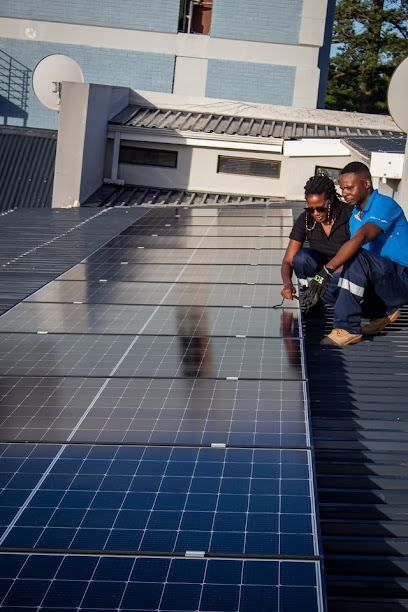
Design and installation follow the planning stage. Designers tailor systems to meet daily consumption patterns, whether for residential, commercial, or industrial use. Typical configurations include grid-tied systems that feed surplus electricity back into the public supply, true battery-backed setups for outages, or hybrid arrangements that combine both approaches. Installers arrange solar panels on rooftops or dedicated sites, and couple them with inverters, mounting hardware, wiring, and protective devices. The installation process emphasises cable management, weatherproofing, and careful commissioning to ensure safe, code-compliant operation. Reduced maintenance and user-friendly monitoring are common expectations for end users seeking straightforward operation.
Maintenance and monitoring are ongoing services that many providers offer. Regular inspections help identify loose connections, underperforming modules, or inverter issues before solar output declines. Monitoring platforms or systems enable remote visibility into energy production, consumption, and battery status where applicable. Scheduled servicing, panel cleaning, and firmware updates for inverters are typical components of a long-term maintenance plan. In regions with variable weather, proactive maintenance can contribute to sustained performance and system longevity.
Battery storage and energy management are increasingly standard elements of the Cape Town offering. Battery solutions enable greater utilisation of solar generation, particularly during high-demand periods or grid interruptions. Options may range from compact home storage to larger commercial arrangements. Providers emphasise proper pairing of storage capacity with solar generation, efficient charging and discharging cycles, and safe integration with electrical systems to protect both equipment and occupants.
Additional services often cover configuration for specific needs, such as off-grid or hybrid solutions, electrical load shifting, and support for electric vehicle charging infrastructure. Projects may extend to roof assessments for load-bearing capacity, weather considerations, and durability under local conditions. Customers can expect clear guidance on the practicalities of maintenance intervals, warranty considerations, and potential incentives or regulatory changes that could affect ownership and return on investment.
Clients in the Western Cape benefit from local knowledge of sun exposure patterns, seasonal variations, and the regional electrical framework. Reputable providers deliver transparent information about system performance expectations, installation timelines, and aftercare arrangements, without relying on exaggerated claims. The overarching aim is to deliver a dependable, efficient solar solution that aligns with a user’s budget, energy goals, and the specific demands of Cape Town’s climate and infrastructure.