
Mhlophe Energies is a Solar energy company establishment in Ulundi, KwaZulu-Natal, South Africa
Ulundi
KwaZulu-Natal
South Africa
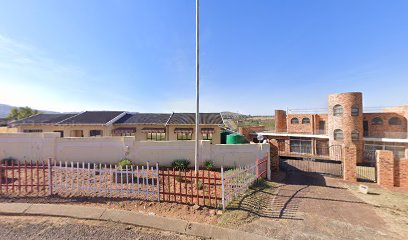
Sorry, no records were found. Please adjust your search criteria and try again.
Sorry, unable to load the Maps API.
Solar energy services in Ulundi, KwaZulu-Natal
In Ulundi and surrounding areas of KwaZulu-Natal, solar energy providers typically offer a comprehensive range of services designed to capitalise on abundant sunshine while accommodating local grid conditions and household energy needs. The focus is on practical, reliable solutions that help customers reduce daytime electricity consumption, shift use to daylight periods, and improve resilience through optional battery storage and off-grid capabilities.
Initial assessments form the foundation of a successful solar installation. A professional will usually conduct a site visit to evaluate roof orientation, shading from trees or neighbours, electrical capacity, and the customer’s energy profile. These assessments determine suitable array size, mounting methods, cable routing, and the choice between grid-tied systems, hybrid configurations, or standalone solutions for remote properties. Guidance on local weather patterns and seasonal load variations helps tailor the design to Ulundi’s climate, characterised by high solar irradiance and warm winters.
Design and engineering services cover system layout, component selection, and safety considerations. Independent installers typically model energy production estimates, plan for durable modules, inverters, and wiring, and ensure compliance with local electrical codes. Where requested, skilling commentary may include guidance on surge protection, wiring containment, and future expandability. The aim is to deliver a dependable, maintainable system that meets current needs while allowing for straightforward upgrades as demand or technology evolves.
Installation is executed by qualified teams that prioritise safety and adherence to manufacturer specifications. Typical steps include mounting photovoltaic modules on suitable structures, wiring to inverters, and connecting to the electrical distribution board. In areas with limited utility voltage stability, a hybrid or off-grid arrangement might integrate battery storage to store excess daytime generation for use at night or during overcast periods. Knowledge of local grid policies and any required permits is often part of the process to ensure a smooth approval path with relevant authorities.
Commissioning focuses on verifying electrical integrity, performance, and safety. A thorough post-installation check confirms proper grounding, insulation resistance, inverter communication, and reactive load management. Many providers include a commissioning report detailing installed capacity, expected annual production, and system protection settings. This stage may also involve a walkthrough on energy usage practices, such as optimising appliance operation to align with peak solar generation hours.
Maintenance and monitoring services vary but commonly include remote performance monitoring, periodic inspections, cleaning of modules, and inverter or battery health checks. Regular maintenance aims to sustain efficiency, identify potential faults early, and extend equipment life. In communities where access to skilled technicians is limited, national or regional service agreements are often offered to ensure timely support and spare parts availability.
Practical considerations for customers in Ulundi encompass budget, space, and electricity tariffs. Solar projects must factor in roof or ground space availability, climate resilience, and local maintenance habits. Long-term decisions may involve warranties, parts availability, and the potential for future battery enhancements. When choosing a provider, customers typically assess transparency in cost estimates, the credibility of technical recommendations, and the clarity of after-sales support arrangements. While specific equipment brands and pricing vary, the overarching objective remains the delivery of reliable, clean energy tailored to the local context.
- Site assessment and energy needs analysis
- System design for grid-tied, hybrid, or off-grid configurations
- Module and inverter selection, with attention to durability and local conditions
- Installation following safety standards and electrical codes
- Commissioning, performance verification, and user guidance
- Maintenance, monitoring, and support services
Overall, solar energy services in Ulundi combine technical fit with practical logistics to deliver sustainable electricity solutions that align with local climate, regulatory requirements, and household or business demand.