Maton Solar installers pty (LTD) is a Solar energy system service establishment in Mpini, Eastern Cape, South Africa
Eastern Cape
South Africa
Sorry, no records were found. Please adjust your search criteria and try again.
Sorry, unable to load the Maps API.
Solar Energy System Service in Mpini, Eastern Cape
In Mpini, Eastern Cape, solar energy system services encompass a range of technical, preventive, and advisory activities designed to keep photovoltaic installations operating efficiently and safely. From rural households to small commercial sites, service providers focus on ensuring that solar combinations—arrays, inverters, battery storage, and associated electrical infrastructure—perform reliably within the local climate and grid conditions.
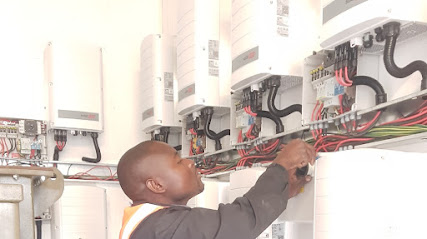
Most service offerings begin with a practical assessment of an existing installation. A typical visit involves documenting the system layout, inspecting mounting hardware for corrosion or loose fittings, checking electrical connections, and verifying inverter and battery status. This initial evaluation helps determine whether routine maintenance, component replacement, or a more detailed diagnostics routine is required. Given the region’s exposure to heat, dust, and intermittent power supply, attention to enclosure integrity, cable insulation, and weatherproofing is commonly prioritised.
Regular maintenance is a central theme in Mpini’s solar services. A standard maintenance cycle may include cleaning solar panels to reduce dirt build-up, inspecting wiring for signs of wear, testing voltage and current outputs, and confirming that safety devices such as disconnect switches and earthing arrangements are in good order. Battery health checks—particularly for lead-acid or lithium storage systems—are often performed to assess charge capacity, cycle life, and fault indicators. Inverter firmware may be reviewed to ensure optimal voltage, conversion efficiency, and protection against overloading or short circuits.
Emergency repairs and fault diagnosis form another essential strand. When a system underperforms or fails to generate expected energy, technicians typically perform stepwise troubleshooting: verifying solar input, inspecting the inverter’s fault codes, examining battery status, and testing AC export and loads. Common issues include degraded panels, loose connections, blown fuses, and degraded batteries. Repairs may involve component replacement, tightening connections, resealing enclosures, or reconfiguring optimised string layouts to suit available sunlight and shading conditions.
Monitoring and performance optimisation are increasingly integral. Many installations benefit from remote monitoring or manual data logging to track daily energy production, consumption patterns, and state-of-charge for storage systems. While specific platform names are not promoted, the aim remains clear: to detect inefficiencies, anticipate maintenance needs, and verify that the system continues to meet energy targets, particularly during peak load periods or times of restricted grid access.
Practical considerations for customers in Mpini include lifestyle needs, space, and local weather. The Eastern Cape experiences bright sun but can present high temperatures and dust, which influence panel cleaning frequency and equipment cooling requirements. Site assessments often address shading analysis, roof or ground mounting suitability, wind load considerations, and safe access for service teams. Local regulations, electrical standards, and any applicable permits or inspections are typically observed to ensure compliance and safety. While warranties and service agreements vary, customers are encouraged to clarify service response times, parts availability, and the scope of routine maintenance coverage when engaging a service provider.
For potential buyers or existing users, expected service outcomes focus on sustained energy yields, reliable operation, and safe electrical integration with the property’s distribution system. By adhering to systematic maintenance, routine checks, and timely repairs, solar energy systems in Mpini can provide dependable power support, contribute to reduced electricity costs, and support energy resilience in communities where grid reliability may be variable.