Jex Energy is a Solar energy company establishment in Sandton, Gauteng, South Africa
Jex Energy: Solar energy solutions for homes and businesses in Sandton and beyond
Jex Energy operates with branches nationwide and offers a broad range of solar power solutions designed to fit both residential and commercial needs. The company states that it maintains an extensive and continually expanding product line, with professional guidance available to match client requirements and budget. The emphasis across the site is on shifting towards renewable energy—primarily solar—as a means to achieve long-term price stability, reduced environmental impact, and a more reliable electric supply in the face of rising conventional fuel costs and grid pressures.
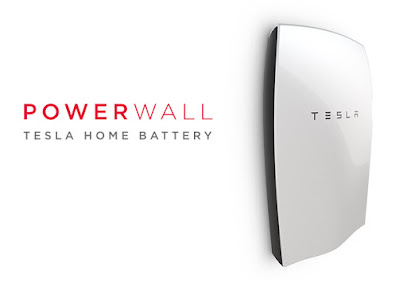
In terms of service spectrum, Jex Energy presents a comprehensive portfolio that spans solar electricity generation, solar water heating, and heat pump technology. Advertised offerings include solar energy systems for homes, hybrid solar configurations, and advanced energy storage options via partnerships highlighted on the site. The featured solutions also extend to energy storage and backup capabilities, exemplified by references to the Tesla Powerwall, which is described as a home battery designed to store solar-generated electricity and provide a resilient backup during outages. The site positions these technologies as parts of an integrated approach to reducing dependence on the grid while enabling customers to optimise energy usage and costs over time.
Customer experiences highlighted in public reviews present a mixed but largely positive narrative around installation quality and technical ability. Several commentators commend professional installation teams, neat and tidy workmanship, and clear explanations of system operation. These reviews frequently note that the initial consultation and system design were aligned with the users’ needs rather than pressure selling, and they praise the practical guidance provided by the team. On the other hand, some reviewers report dissatisfaction with aftersales support, responsiveness, and follow-up communication after installation. Instances include delays in getting calls returned or assistance arranged post-installation, and comments suggesting that aftersales service did not consistently meet expectations. The range of experiences underscores the importance of clear communication and timely aftercare when engaging solar projects of this nature.
The typical project profile described by the company and reinforced by client feedback includes customised site assessments, a tailored combination of solar PV capacity, and consideration of energy storage options to optimise daytime generation and evening consumption. Installations are portrayed as thorough and attentive to detail, with emphasis on durability and long-term value. For customers seeking off-grid potential or substantial grid independence, the prospect of upgrading or expanding a system as needs evolve is presented as feasible within the product ecosystem. While detailed pricing is not provided on the public-facing content, the emphasis remains on selecting a solution that fits current usage and budget constraints, with the option to scale as goals and resources permit.
Practical tips for customers considering Jex Energy include starting with a clear audit of daily electricity usage and peak demand periods to determine appropriate solar and storage sizing. Prospective buyers should request a personalised proposal that outlines the anticipated system output, payback horizon, and maintenance considerations. Given the mixed feedback on aftersales support, it is prudent to agree on a defined service and response plan for post-installation support, along with a documented contact path and preferred response times. For those exploring solar water heating or heat pump options, comparing operating costs, warm water usage, and climate conditions will help identify whether a thermosyphon or flat-plate solar collector, or a domestic/industrial heat pump configuration, offers the best return on investment.
Jex Energy serves customers across Gauteng, including Sandton, and notes nationwide reach. The integrated approach promoted by the site—combining solar generation, storage, and related technologies—positions the company as a multi-faceted option for organisations and homeowners aiming to diversify energy sources, reduce bills, and stabilise energy supply. Visitors may encounter a broad menu of related topics and product pages, including featured installations, solar for homes, solar water heating, and various heat pump offerings, which collectively reflect a holistic view of modern renewable energy solutions.
Operational considerations for potential clients include the need to assess roof space, shading, and existing electrical infrastructure, as these factors influence system sizing and performance. Engagements typically begin with a consultation and assessment, followed by a customised plan and installation programme. While the content highlights a robust technical capability, the customer experience appears to hinge on effective communication and reliable aftercare, underscoring the value of clear expectations and a formal post-installation support arrangement.
Sandton
Gauteng
South Africa
Sorry, no records were found. Please adjust your search criteria and try again.
Sorry, unable to load the Maps API.
Solar Energy Services in Sandton, Gauteng
In Sandton, Gauteng, solar energy companies offer a range of services designed to help property owners reduce electricity costs, increase energy resilience, and support sustainable power generation. The emphasis is on practical, well‑planned solutions that suit both residential properties and commercial developments in a high‑demand urban environment.
Common offerings begin with a comprehensive site assessment. Specialists examine available roof area, structural integrity, orientation, shading from neighbouring buildings, and the local grid connection. This initial evaluation informs a customised system design that balances upfront cost with long‑term savings. The aim is to maximise solar harvest while ensuring reliability during peak demand periods typical to the region.
Following design, installation services cover the complete integration of photovoltaic (PV) modules, mounting hardware, electrical wiring, inverters, and any required electrical upgrades. The scope often includes permitting assistance, liaising with local authorities, and coordination with the utility grid to enable safe and compliant connection. For commercial sites, the process may address larger roof plots, three‑phase supply, and potential integration with building management systems.
Energy storage is a frequent consideration. Many clients in Sandton opt for battery storage to smooth power supply, reduce dependence on the grid during load shedding, and optimise self‑consumption of solar generation. Providers typically offer guidance on storage capacity, charge and discharge cycles, and safe battery handling. In all cases, attention is given to the compatibility of storage with the chosen inverter and the site’s electrical infrastructure.
Monitoring and maintenance services help ensure ongoing system performance. After installation, customers can expect remote or on‑site monitoring to track energy production, system health, and consumption patterns. Routine maintenance may include inverter servicing, module cleaning, electrical checks, and performance optimisation. Many firms offer a service package with guarantee periods, monthly or quarterly checks, and clear escalation procedures for any faults.
Financing and commercial planning are practical considerations frequently addressed. While specifics vary, several providers assist with budgeting, project finance, or leasing options that align with expected savings. For business clients, emphasis often falls on return‑on‑investment analysis, reliability during grid disturbances, and the potential for tax incentives or government programmes where applicable.
Clients in Sandton can expect a structured handover that includes a detailed system manual, safety documentation, and clear information on warranties and expected lifespans of components. In addition, many solar energy offerings incorporate a training element for building managers or property owners, explaining basic operation and what to monitor in the long term. This helps ensure informed ownership and proper system stewardship.
Practical considerations include environmental conditions, roof accessibility, and structural support. Local weather patterns and frequent afternoon sun generally favour well‑sited installations, though shading from nearby towers may influence output. Electrical codes require compliance with safety standards, and reputable installers prioritise rigorous quality checks and professional workmanship. Customer expectations typically align with durable equipment, transparent pricing, prompt project timelines, and reliable post‑installation support.
Overall, solar energy services in Sandton focus on delivering custom‑engineered solutions that balance aesthetics, performance, and value. By combining site assessment, thoughtful design, professional installation, and ongoing care, these providers aim to offer a practical path to cleaner electricity and greater energy independence within the Johannesburg metropolitan area.