
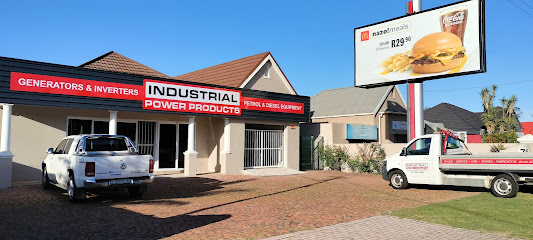
Industrial Power Products is a Electric generator shop establishment in Gqeberha, Eastern Cape, South Africa
Gqeberha
Eastern Cape
South Africa
Sorry, no records were found. Please adjust your search criteria and try again.
Sorry, unable to load the Maps API.
Electric Generator Shop Services in Gqeberha, Eastern Cape
<pIn the coastal city of Gqeberha, Eastern Cape, electric generator shops provide a practical hub for customers seeking reliable power solutions. The local market typically covers a broad range of services designed to support residential, commercial, and industrial needs. Customers can expect guidance on selecting appropriate generators, assistance with installation, ongoing maintenance, and access to spare parts and accessories. The emphasis is on practical, hands-on support that helps users maximise uptime and minimise fuel consumption and emissions.
<pMany shops offer a consultative approach to determine the correct generator for a given setting. This often involves assessing peak power requirements, anticipated cycles of use, and the environment in which the unit will operate. Staff may help identify the appropriate kilovolt-ampere (kVA) rating, fuel type (such as diesel or petrol, with some better suited to gas), and the balance between standby and prime power. Consultation typically culminates in a recommended solution that aligns with the customer’s budget, space constraints, and local electricity supply considerations.
<pGqeberha generator shops commonly provide a full spectrum of services that begin well before a sale and continue long after installation. The typical workflow includes a site visit or consultation to assess space, ventilation, and load distribution. This is followed by project planning, procurement of the generator and essential equipment such as control panels and transfer switches, and a coordinated delivery and installation schedule. Installation considerations often include secure mounting, fuel storage compliance, exhaust routing, noise reduction measures, and safe electrical connections that meet local regulations and best practice standards. Post-installation, customers receive training on basic operations and safety procedures, emphasising routine checks and power management during outages.
<pMaintenance and servicing form a cornerstone of the customer experience. Regular maintenance programmes may cover oil and filter changes, battery checks, cooling system inspections, and relay or circuit monitor tests. Shops typically offer tailored maintenance plans aligned with the generator’s duty cycle and environmental conditions, such as coastal salt exposure in Gqeberha. Prompt availability of spare parts and consumables is valued, as is access to a trained technician who can diagnose faults, perform on-site repairs, and schedule preventive service visits to reduce unexpected downtime.
<pAdditionally, many outlets extend after-care support through warranty guidance, load testing, and performance verification. Load testing is commonly conducted to verify that the generator can sustain the required output under simulated conditions, an important step for commercial customers who rely on backup power during outages. Some shops also provide or arrange for professional servicing of ancillary equipment, including automatic transfer switches, battery storage systems, and fuel management devices, to ensure a seamless transition between public electricity and standby power.
<pPractical considerations for customers in Gqeberha include local climate, coastal air quality, and space limitations. Noise levels and emissions may influence the choice of generator enclosure and exhaust configurations. Accessibility for regular maintenance, fuel storage compliance, and proximity to a reliable service team are also important. When budgeting, customers should account for delivery, installation, initial setup, and ongoing maintenance, rather than focusing solely on the purchase price. By taking a holistic view of needs, the local generator shop network helps ensure dependable power resilience for homes, businesses, and critical infrastructure in the region.
- Initial assessment of power needs and site suitability
- Installation planning, including transfer switches and ventilation
- Delivery, mounting, and commissioning
- Regular maintenance, inspections, and component replacements
- Fault diagnosis, on-site repairs, and spare parts access