Green Grid Engineering (solar & aircon) is a Solar energy company establishment in Johannesburg, Gauteng, South Africa
Green Grid Engineering: Solar, HVAC and Battery Solutions in Johannesburg
Green Grid Engineering is presented as a Johannesburg-based provider of energy-efficient solutions focused on reducing electricity costs and environmental impact. The business operates across three core service areas: solar power systems, air conditioning and HVAC solutions, and rechargeable battery systems designed for commercial and industrial applications. With an emphasis on customisation, the company positions itself as a partner capable of designing and installing systems tailored to the specific energy needs of homes and businesses in Gauteng and surrounding areas.
In the solar category, Green Grid emphasizes high-performance solar panels and complete solar systems. The offering is described as customised to fit the user’s energy profile, with a focus on maximising efficiency, long-term reliability, and potential energy savings. Additional solar products highlighted include inverters, solar kits, and accessories, with an explicit nod to battery storage as a means to store excess energy or provide back‑up during outages. The accompanying guidance underlines the general benefits of solar energy, including the potential for reduced bills, greater energy independence, and lower environmental impact, while noting that some systems can operate with or without batteries, depending on the customer’s needs.
For air conditioning, Green Grid presents a suite of energy-efficient solutions designed to maintain comfort year‑round. The residential line targets home cooling needs with efficiency in mind, while the commercial HVAC offering is aimed at business environments that require reliable climate control alongside energy-conscious operation. The range also includes smart controls, such as programmable thermostats, intended to optimise energy use and convenience. The material stresses the role of expert installation, ongoing maintenance, and customer support as key elements of the service proposition, along with an emphasis on affordability and reliability.
The battery division focuses on rechargeable Lithium‑Ion solutions for specific fleet needs, notably golf carts and forklift vehicles. The messaging highlights faster charging, longer lifespan, and total cost savings over time when compared with traditional lead‑acid batteries. Installation services, charging systems that meet individual requirements, and battery monitoring tools are described as part of an integrated offering designed to minimise downtime and maximise operational efficiency. The emphasis is on practical, real-world benefits such as improved uptime, real-time performance monitoring, and a clearer total-cost-of-ownership picture.
Customer experience appears to be shaped by a combination of technical expertise, product quality, and practical support. Testimonials on the site note positive outcomes such as energy bill reductions from solar installations and enhanced efficiency from HVAC systems. One customer review highlights a seamless process and substantial savings, while another points to improved comfort and dependable performance. A visitor review from Dalan Holton remarks that useful advice and quality products helped move toward off‑grid capabilities, underscoring the value placed on knowledgeable guidance and reliable equipment. The tone across customer feedback suggests a focus on practical results, responsive service, and real-world savings.
Operational details indicate that the business is based at Unit 3, 420 Rifle Range Road, Towerby, Johannesburg, with other information pointing to Germiston and Primrose as part of the surrounding service area. Opening hours are listed as Monday to Friday, 09:00–17:00, with weekends generally closed. This combination of locations and hours suggests a regional focus on the Greater Johannesburg area, with potential for on-site consultations and project evaluations during standard business days.
Typical project types, as inferred from the website’s categorisation and product pages, include residential solar installations, small to mid-size commercial solar and HVAC upgrades, and battery-based solutions for fleet applications. While detailed project case studies are not extensively foregrounded, the site does offer a gallery of completed projects in the solar section, which can provide prospective customers with contextual examples of system sizes, configurations, and outcomes.
For customers seeking practical guidance, the site includes a range of informational resources. These cover solar energy basics, the benefits of solar, how solar works, and an amortisation calculator to estimate savings and financing scenarios. In the air conditioning domain, there are energy efficiency tips, maintenance guidelines, and a BTU (cooling capacity) calculator to help determine appropriate system size. The intention appears to be to equip prospective buyers with both the knowledge to understand options and the tools to forecast financial and energy outcomes.
Practical tips for potential customers include starting with a clear brief on energy goals and budget, requesting a site assessment to determine roof suitability or space for a commercial installation, and considering whether battery storage is desirable for peak demand management or outage resilience. It is sensible to corroborate warranties on both products and installation, compare maintenance plans, and review the availability of aftercare support and service schedules. Consumers may also wish to explore the gallery and FAQ resources to gauge the relevance of Green Grid’s solutions to their specific property or business operations.
Johannesburg
Gauteng
South Africa
Sorry, no records were found. Please adjust your search criteria and try again.
Sorry, unable to load the Maps API.
Solar Energy Services in Johannesburg, Gauteng
In Johannesburg, Gauteng, solar energy companies provide a range of services designed to help commercial and residential customers harness the power of the sun. The focus typically centers on the design, installation, and ongoing management of photovoltaic (PV) systems suited to local weather patterns, urban density, and the electrical grid environment. Clients commonly seek reliable, scalable solutions that maximise daytime power generation while minimising dependence on the municipal grid.
Providers often begin with an assessment of energy needs and site conditions. This includes evaluating roof space or ground mount suitability, sun exposure, electrical load profiles, and potential shading from nearby buildings or structures. The outcome informs a customised system proposal that balances performance with budget, ensuring that the proposed configuration aligns with any local regulations or permitting requirements. In Johannesburg, where daytime sun is abundant but grid pressures can vary, many plans emphasise both energy efficiency measures and generation capacity to achieve meaningful long-term savings.
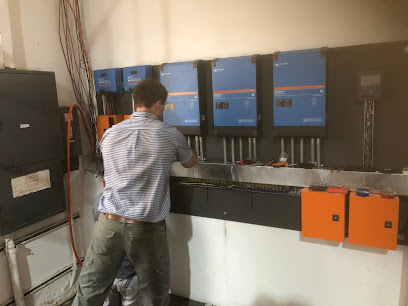
Installed systems typically feature solar PV panels connected to inverters, with options for battery storage to support load shifting and resilience during outages. The installation process covers electrical connections, mounting solutions, and integration with existing electrical boards. For commercial sites, larger, roof-mounted or ground-mounted arrays may be designed to meet daytime demand peaks, with attention given to cable routes, safety standards, and ease of maintenance. Residential projects often prioritise compact, aesthetically conscious layouts that still deliver reliable power generation throughout the year.
Where appropriate, solar energy companies in Johannesburg offer a spectrum of system types. Grid-tied configurations enable export of surplus electricity to the municipal network and typically do not require onsite storage for basic operation. Hybrid systems combine solar with storage and generators, aiming to provide greater independence during grid interruptions. Off-grid arrangements are less common in urban settings but may be suitable for remote facilities or specific business needs, requiring comprehensive energy management to compensate for the absence of a connection to the main supply.
Maintenance and monitoring form a key element of service delivery. Routine inspections, cleaning of panels, electrical safety checks, and performance monitoring help ensure systems operate close to their design specifications. Remote monitoring platforms may be used to track metrics such as energy production, usage, and equipment health, enabling prompt responses to any anomalies. Seasonal adjustments, firmware updates for inverters, and battery management protocols are often part of the ongoing aftercare offered by, or on behalf of, the installer.
Customers can expect a practical approach to project management, including clear timelines, safety considerations, and compliance with local building and electrical codes. Aftercare commonly encompasses warranty guidance, troubleshooting support, and recommended maintenance schedules. Some providers may also assist with financing options, including structured payment plans or incentives where available, to help households and organisations realise the benefits of solar investment without excessive upfront costs.
Choosing a solar energy partner in Johannesburg involves assessing credentials, experience with similar site conditions, and responsiveness to aftercare needs. Prospective clients typically seek transparency regarding expected system lifetime performance, the practicality of maintenance routines, and how the chosen solution integrates with existing electrical infrastructure. The overall aim is a dependable, long-term power source that enhances energy security while contributing to lower operating expenses and reduced environmental impact.