Gootech Energy is a Solar energy company establishment in Alberton, Gauteng, South Africa
Alberton
Gauteng
South Africa
Sorry, no records were found. Please adjust your search criteria and try again.
Sorry, unable to load the Maps API.
Solar Energy Services in Alberton, Gauteng
In Alberton, Gauteng, solar energy companies offer a range of services designed to help households and businesses harness the sun’s power. These services typically cover assessment, design, installation, and ongoing support, all aimed at improving energy resilience and reducing electricity costs in a region known for high daytime solar potential and frequent power interruptions.
Initial energy assessments form the foundation of most projects. A careful load analysis evaluates current energy consumption, peak demand, and future needs, guiding system sizing and component selection. Professionals examine rooftop space, orientation, shading, and structural integrity to determine the most effective configuration. This stage often leads to a preliminary proposal outlining system capacity, expected generation, and installation timelines, alongside any necessary measures to comply with local electrical codes and industry standards.
Design and engineering services translate assessment findings into a practical solar solution. Typical offerings include selecting solar photovoltaic (PV) modules, inverters, mounting hardware, and, where appropriate, battery storage. For many Alberton clients, options range from grid-connected systems that feed surplus electricity back to the network to hybrid or off-grid setups that prioritise storage and self-consumption. Detailed electrical schematics and a bill of materials help achieve a reliable, scalable installation that aligns with space, budget, and performance goals.
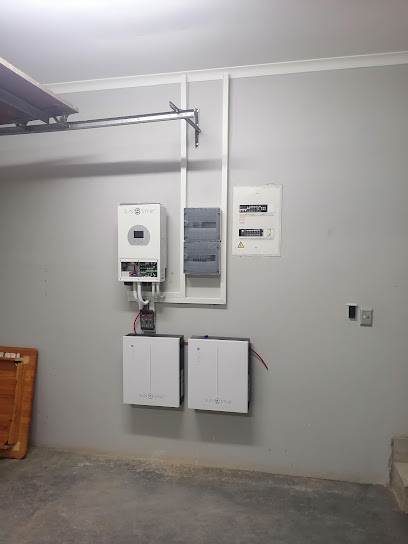
Installation is the stage where theory becomes functioning energy. Trained technicians install PV modules on roofs or groundmounted frames, route electrical cables safely, and connect inverters and monitoring systems. Inspections ensure compliance with electrical standards and safety practices. Where batteries are included, storage units provide the ability to store excess daytime generation for use during cloudy periods or outages. In many instances, installers also liaise with local authorities or utility providers to obtain the necessary permits or to confirm any grid interconnection requirements.
Maintenance and aftercare form a steady part of the service offering. Regular inspections check for loose fittings, corrosion, shading changes, and performance variances. Cleaning panels, tightening connections, and software updates for monitoring systems contribute to sustained efficiency. Routine performance reports help clients understand energy generation compared to expectations, enabling proactive decisions about system tweaks or capacity adjustments as needs evolve.
Energy management and optimisation are increasingly prominent in Alberton. Solar providers frequently offer monitoring platforms or dashboards that track generation, consumption, and savings in real time. These tools support informed decisions about peak usage, load shifting, and potential demand management strategies. For organisations and multi-site operations, professional services may extend to energy audits, tariff analysis, and recommendations for improving overall energy resilience.
Practical considerations for customers include roof viability, space constraints, and serviceability. South Africa’s climate typically supports high solar yields in Gauteng, but shading from trees, neighbouring structures, or dust can impact performance. Warranty terms, system durability, and post-installation support are important factors, as is the availability of parts and technicians for ongoing maintenance. Financing options, tax incentives, and supplier warranties may influence project viability, though specific terms vary and are not universally available.
In Alberton, businesses and residents alike can expect a pragmatic approach: professional assessment, customised design, careful installation, and dependable maintenance. The overarching aim is to deliver a reliable source of clean energy that aligns with local conditions, regulatory requirements, and long-term financial considerations, while contributing to reduced dependence on conventional grid power and increased energy security.