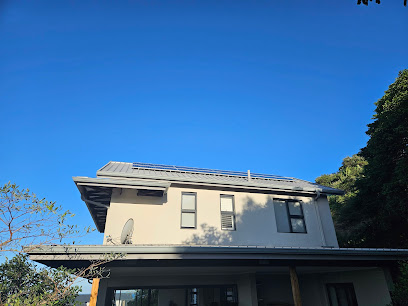
Energy Evolution is a Solar energy company establishment in Kloof, KwaZulu-Natal, South Africa
Kloof
KwaZulu-Natal
South Africa
Sorry, no records were found. Please adjust your search criteria and try again.
Sorry, unable to load the Maps API.
Solar Energy Services in Kloof, KwaZulu-Natal
In the KwaZulu-Natal region, including the northern suburbs of Durban and the hillside community of Kloof, solar energy providers offer comprehensive solutions that address both residential and small-to-medium commercial needs. The focus is on sustainable power generation, greater energy independence, and reduce electricity costs within a climate characterised by strong sun exposure and seasonal rainfall. Local service providers typically tailor offerings to suit the varied roof types, shading patterns, and structural layouts common in Kloof properties, while navigating the regulatory and grid-connection landscape of South Africa.
Customers can expect a consultative approach that begins with a site assessment and energy review. A typical assessment considers daily electricity usage, peak demand, roof orientation, shading from trees or neighbouring structures, and the available space for solar panels and battery storage. The objective is to determine an appropriate system size and configuration that balances upfront cost with long-term savings and reliability. Whether the aim is to offset daytime consumption, provide emergency power during outages, or achieve a hybrid solution that links to the mains and a back-up battery bank, the design process emphasises practicality and local conditions.
Service offerings commonly encompass planning, procurement, installation, commissioning, and ongoing support. The design phase may include system layout planning, inverter selection, panel mounting solutions, wiring diagrams, and electrical protection arrangements. Installation services cover mounting of solar modules on pitched or flat roofs, roof penetrations or ballast solutions where appropriate, inverter and battery installation, and the integration of monitoring equipment. Commissioning ensures the system operates within safe electrical standards and delivers the expected performance under local weather patterns.
Battery storage and hybrid configurations are increasingly popular in KwaZulu-Natal, with providers detailing options for energy storage that help maximise daytime generation and provide resilience during outages. Off-grid setups are also available for properties with limited grid reliability or remote outbuildings, though most clients pursue grid-tied or hybrid systems to benefit from feed-in opportunities and utility support where applicable. Maintenance plans—ranging from periodic inspections to routine cleaning and performance testing—are commonly offered to sustain system efficiency over time.
Practical considerations for Kloof residents include roof integrity, wind and weather resistance, and the potential impact of trees and neighbouring structures on solar access. Local electrical compliance, safety standards, and the process for grid connection or shut-off during maintenance are important factors. Prospective customers are often advised on equipment warranties, the expected lifespan of modules and inverters, and the importance of regular monitoring to detect performance deviations early. Financing and incentives, while subject to change, may be discussed in general terms to facilitate budgeting and project planning.
- Site assessment and energy usage analysis
- System design for residential and small commercial properties
- Solar panel installation on roofs or other suitable structures
- Inverter and battery storage integration, including hybrid configurations
- Monitoring and performance optimisation services
- Routine maintenance, cleaning, and system health checks
- Assistance with permitting, grid-connection processes, and safety compliance
Overall, solar energy providers in Kloof and the wider KwaZulu-Natal area deliver practical, locality-aware services that emphasise reliability, cost savings, and environmental benefits. The emphasis remains on clear assessments, careful system design, careful installation, and ongoing support to ensure customers realise meaningful improvements in energy use and resilience against power interruptions.