EMCON ENERGY is a Solar energy equipment supplier establishment in Cape Town, Western Cape, South Africa
EMCON ENERGY operates from Cape Town as a dedicated distributor and design consultant specialising in electrical, solar and construction sectors. With over a decade of experience and strong ties to its parent company, Emcon, the business emphasises cost‑effective and reliable power solutions for resellers, installers and end users. The company is positioned as a regional hub for high‑quality solar components and practical system design, aiming to support a reliable energy future for South Africa.
From a product perspective, EMCON ENERGY highlights its role as the sole distributor of Afore Energy products in South Africa. This partnership underlines a focus on inverters that meet national standards, including NRS 097‑2‑1 compliance and approval by the City of Cape Town for grid connection. The inverter range encompasses both single‑ and three‑phase configurations, with hybrid, PV and AC‑coupled models available. Capacities span from 1 kW to 60 kW, and each inverter is equipped with integrated smart monitoring. This combination of advanced hardware and monitoring capabilities is designed to support robust performance across a spectrum of environmental conditions.
The company frames its offering as a complete solar installation solution. Its portfolio covers inverters, batteries, solar panels, mounting structures, combiner boxes, fuses and DC switches, as well as solar cabling and a wide array of accessories. The emphasis is on full system integration and optimised design, underscored by sophisticated tools used to specify equipment and arrange panel layouts that maximise solar generation and return on investment. The result is a configuration approach that can be adapted for residential projects as well as commercial deployments, with flexibility to accommodate different site constraints and power requirements.
In terms of customer experience, EMCON ENERGY promotes a combination of product selection rigour and local support. The business asserts a rigorous evaluation and comparison process to identify the best products for reseller, installer and end user needs. Beyond product supply, this approach is complemented by a responsive local support network intended to sustain product performance throughout the life span of the installation. The stated aim is to deliver healthy returns and efficient, solar‑powered homes and facilities under the Emcon Energy umbrella.
For project workflows, the company describes a design‑led process that leverages its “highly sophisticated design tools” to specify systems accurately. This includes selecting the most efficient components and optimising panel layout to capitalise on solar generation. The combination of precise engineering and accessible product ranges is presented as a means to deliver reliable energy solutions across various sectors and project sizes.
Typical job types and industries, as implied by the content, include residential solar installations and commercial or property sector applications where stable, efficient power is essential. The portfolio of products—ranging from inverters and batteries to mounting structures and electrical accessories—supports a broad spectrum of installation scales, from compact home setups to larger commercial systems. The emphasis on a robust support network also suggests a focus on projects that require ongoing maintenance and performance monitoring.
How requests tend to work, based on the information provided, involves engaging through the company’s product distribution channels and design services. Prospective customers—whether resellers, installers or end users—are offered access to product partners and the design tools necessary to tailor a solar solution to specific demand. The presence of a reseller programme indicates a pathway for partners to participate in the distribution and installation ecosystem, supplemented by technical guidance and product availability from EMCON ENERGY.
- Practical tips for customers:
- Clarify project requirements early—identify whether the focus is on residential or commercial application, peak load, and desired autonomy.
- Check grid compatibility and local approvals, noting the importance of NRS 097‑2‑1 compliance and municipal approvals for inverter use on the national grid.
- Consider hybrid or AC‑coupled configurations if future expansion or grid instability is a concern.
- Request smart monitoring features for real‑time performance data and remote diagnostics.
- Plan for after‑sales support by choosing suppliers with a robust local service network and clear warranty terms.
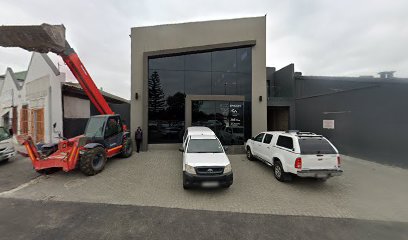
EMCON ENERGY is located in Cape Town, at 134 Wetton Road, Wetton, 7780, Western Cape. The business hours are Monday to Friday, 8:00 AM to 5:00 PM. The organisation serves customers across Cape Town and the surrounding Western Cape region, reflecting its regional focus and commitment to providing access to alternative energy solutions within local communities and commercial enterprises alike.
Cape Town
Western Cape
South Africa
Sorry, no records were found. Please adjust your search criteria and try again.
Sorry, unable to load the Maps API.
Overview of services from solar energy equipment suppliers in Cape Town
<pIn Cape Town, Western Cape, solar energy equipment suppliers operate as specialists who stock, source and support the components required for residential, commercial and small industrial renewable energy systems. The focus is on reliable access to equipment that performs well in the local climate, alongside guidance on best practices for safe and efficient installation. Customers can expect a broad selection of core components, practical advice on system sizing, and ongoing support through the life of the installation.
<pA typical supplier offers a range of products including photovoltaic modules, inverters, charge controllers, batteries or battery packs, mounting structures and racking, wiring, disconnects, and monitoring equipment. Many stock ancillary items such as fuses, conduits, brackets, cooling gear, and surge protection. In addition to physical goods, these suppliers often provide information and options about grid-tied and off-grid configurations, enabling customers to evaluate off- and on-site energy needs, performance expectations and return on investment. The emphasis is on quality, compatibility and local availability, ensuring components can be supplied quickly when plans move from design to installation.
Site assessment and system design are foundational services offered by many Cape Town suppliers. An experienced consultant may conduct a shading analysis, roof or ground mounting assessment, and load calculation to determine the appropriate system size. This step helps verify whether the proposed equipment meets daytime electricity needs, whether backup storage is required, and how the system will interact with the existing electrical installation. Design work often includes a bill of materials, wiring diagrams, and a recommended sequence for procurement and installation.
Quotation and project management are common stages in the customer journey. A clear, itemised quote helps clients understand equipment costs, installation labour, probable timelines and any additional services such as commissioning or system monitoring. Suppliers may coordinate with approved installers or present a fit-for-purpose package that combines equipment supply with installation oversight. In many cases, a site visit is arranged to confirm specifics, such as roof structure, mounting access, electrical room space, and safety considerations.
Installation support and after-sales service form a critical part of the value proposition. Suppliers frequently provide guidance on fitting procedures, safety standards and compatibility checks to help authorised contractors carry out the work. After installation, customers benefit from monitoring solutions, warranty information, and access to spare parts or replacements. Routine maintenance advice—such as cleaning modules, inspecting connections, and checking inverter firmware—helps sustain performance over time. Where financing or leasing is available, suppliers may facilitate introductions to lenders or installers who can structure payment plans aligned with expected energy savings.
Practical considerations for Cape Town buyers include understanding local climate and grid-related dynamics. The region experiences high solar irradiance but can also face weather variations that influence system design and component choice. Roof orientation, shading from neighbouring structures, and the durability of mounting hardware against coastal exposure are important factors. Availability of local service engineers and responsive customer support are valuable because prompt assistance may be needed for commissioning, fault findings, or warranty claims. Suppliers often highlight regional warranties and parts supply reliability to reassure customers about long-term maintenance and system performance.
In short, solar energy equipment suppliers in Cape Town provide a spectrum of goods and services—from core components and design advice to installation coordination and after-care—crafted to support efficient, compliant, and sustainable energy solutions in the Western Cape. The typical customer can expect practical guidance, dependable product range, and ongoing support designed to meet local conditions and regulatory requirements.