Dual Eco Power (PTY) Ltd is a Solar energy company establishment in Heidelberg, Gauteng, South Africa
Heidelberg
Gauteng
South Africa
Sorry, no records were found. Please adjust your search criteria and try again.
Sorry, unable to load the Maps API.
Solar Energy Services in Heidelberg, Gauteng
In Heidelberg, Gauteng, solar energy providers offer a range of services designed to help residential, commercial, and agricultural customers transition to clean and cost-effective power. Local specialists understand the Pretoria–Johannesburg corridor’s climate, roof lines, and electrical standards, delivering practical solutions that suit varied budgets and energy needs. Typical offerings span assessment, design, installation, and ongoing support, with emphasis on safety, reliability, and long-term performance.
Initial consultations commonly involve an on-site visit to assess the property’s solar suitability. Technicians evaluate roof condition, orientation, shading from nearby trees or structures, and electrical capacity. A detailed energy audit or load assessment may be conducted to determine how much solar capacity is appropriate. From these findings, a customised proposal is produced outlining system size, component choices, and a clear estimation of potential energy savings and payback timelines. At this stage, customers gain a practical sense of how solar integration will interact with existing electrical infrastructure.
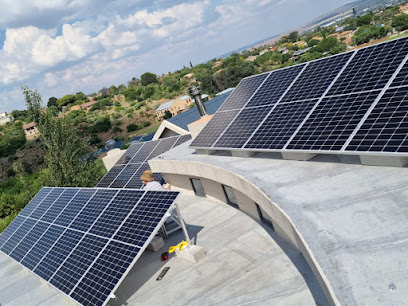
Design and engineering are tailored to Heidelberg’s climate and urban settings. Solar energy providers typically specify a combination of photovoltaic (PV) panels, mounting hardware, inverters, and electrical safety devices. Systems may be configured as grid-tied, off-grid, or hybrid solutions, depending on grid reliability, load requirements, and space constraints. In many cases, rooftop installations are prioritised for residential and small commercial sites, while larger or land-rich properties could explore ground-mounted arrangements. Battery storage options are discussed to extend self-consumption, ensure power during outages, and optimise daytime generation against after-hours demand.
Installation follows a staged process to minimise disruption and maintain safety. Once equipment is delivered, installers connect PV modules to racking systems, route wiring, and integrate inverters with the main distribution panel. Protective devices, earthing, surge protection, and compliance with local electrical codes are emphasised. After installation, a commissioning phase verifies system functionality, performance parameters, and grid interconnection. Customers are usually briefed on monitoring interfaces to track production, consumption, and potential alerts related to performance or safety issues.
Maintenance and aftercare are standard components of the service offering. Regular inspections check for loose fittings, panel cleanliness, and signs of shading or debris that could impede output. Inverters and batteries benefit from routine checks, firmware updates where applicable, and performance data reviews to catch anomalies early. Many providers offer maintenance plans or diagnostic visits, designed to prolong equipment life and sustain efficiency. It is common to receive guidance on seasonal cleaning, snow or dust management, and system optimisation strategies that respond to changing usage patterns.
Practical considerations for customers in Heidelberg include the influence of roof integrity, weather exposure, and local electrical distribution practices. Siting decisions, such as panel tilt and orientation, aim to maximise energy capture while respecting architectural constraints. Availability of municipal or utility connections, potential feed-in arrangements, and the need for required permits or inspections are typically addressed during the planning stage. While exact prices, supplier names, and certification details vary, the core expectation is clear: a customised, transparent plan that aligns with energy goals, budget, and the statutory environment.
Overall, solar energy providers in Heidelberg, Gauteng, offer end-to-end support—from initial site assessment through to installation and ongoing maintenance. The emphasis is on practical, reliable systems that reduce reliance on the grid, optimise energy use, and deliver durable performance in South Africa’s sunny climate. By understanding local conditions and engaging with experienced professionals, customers can navigate the process with confidence and achieve meaningful, long-term energy resilience.