Direct Energy Solutions Solar Installer Helderberg is a Solar energy company establishment in Somerset West, Western Cape, South Africa
Direct Energy Solutions Solar Installer Helderberg – Service Overview
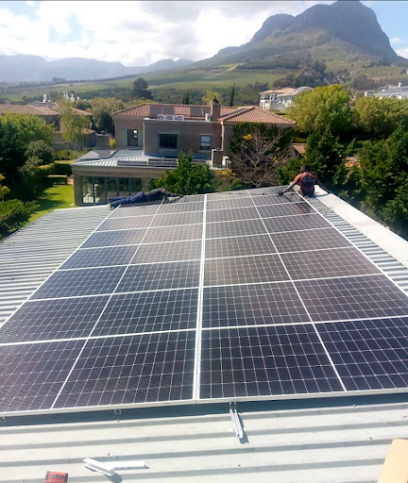
Direct Energy Solutions presents itself as a Western Cape-based solar installer focused on delivering high-quality solar panel installations to both residential and business clients. The company emphasises affordability alongside a broad service offering, recognising that customers in this region often seek dependable, cost-conscious energy solutions in the face of power interruptions and rising electricity costs.
From the information available, the primary services encompass end-to-end solar system installations, battery backup and UPS systems, and support for Solar System Electrical Small Scale Embedded Generation (SSEG) registrations. These offerings position the company as a one-stop provider for customers looking to capture solar energy, protect against load-shedding, and ensure regulatory compliance for their solar schemes.
In addition to solar hardware, Direct Energy Solutions provides essential electrical services and compliance documentation. The portfolio includes Electrical Certificates of Compliance (COC) — a legal requirement verifying that electrical installations meet regulatory standards — and a general electrical contracting capability for various electrical needs. This combination suggests an integrated approach where customers can address both solar requirements and broader electrical work through a single point of contact, potentially streamlining project timelines for business and residential clients alike.
The company also offers ongoing maintenance, including solar panel cleaning and maintenance services. This indicates an emphasis on long-term investment protection, supporting sustained system efficiency and performance. The presence of maintenance offerings aligns with common industry expectations that solar installations require periodic inspection and care to maximise output and extend system life.
Typical job types and industries
- Residential solar installations for homes seeking sustainable electricity and energy cost reductions.
- Commercial and small business solar projects aimed at stabilising energy costs and reducing dependence on the grid.
- Battery backup and UPS solutions designed to provide resilience during load-shedding and grid instability.
- Regulatory compliance tasks, including SSEG registrations and COC documentation, for both private and commercial properties.
- General electrical work adjacent to solar projects, enabling a consolidated service for electrical upgrades and solar enhancements.
How requests typically work
Direct Energy Solutions appears to operate through a client-focused engagement model, starting with an initial enquiry and assessment, followed by a tailored quote. The availability of a “Get A Free Quote” option suggests a standard process where potential customers can request an assessment of needs, site suitability, and system configuration before proceeding to installation or service work. The combination of systems installation, maintenance, and compliance services implies a phased approach: consultation, design and plan, installation, regulatory approvals, and post-install support.
Customer experience and impressions
Customer feedback highlights professionalism and strong workmanship. Review snippets describe competitive pricing, professional execution, and positive after-sales support. Several reviews explicitly mention the reliability of the solar system after installation and the usefulness of the service in mitigating electricity supply concerns. Overall, the feedback portrays a company focused on practical outcomes, with attention to customer satisfaction after project completion.
Practical tips for customers
- Clarify the scope of work early: determine whether the project requires solar installation alone, a battery backup, regulatory registrations, or a combination of these services.
- Ask for a detailed quote that includes hardware, installation, maintenance, and any regulatory fees to avoid surprises later.
- Confirm after-sales support options and maintenance schedules to sustain system performance over time.
- Check whether the proposed system size aligns with anticipated energy consumption and any available grid export limitations for SSEG registrations.
- Consider maintenance plans for cleaning photovoltaic panels, as clean panels maximise energy generation and overall system efficiency.
Location and service area
Direct Energy Solutions positions itself within the Western Cape, with a base in Cape Town. The information indicates service coverage across the Western Cape region, aligning with demand in both residential and commercial sectors. The site references a central location in Cape Town (Stuart’s Hill area) for inquiries and service coordination, reflecting an accessible hub for customers throughout the Western Cape who seek solar energy solutions.
Hours and contact
Public-facing contact details include a telephone enquiry line and an email address, along with a physical address for inquiries. While specific business hours are not listed in the available materials, the presence of a dedicated contact channel suggests that inquiries can be initiated during standard business hours. Prospective customers may engage via the provided phone line or email to arrange assessments and quotations.
Somerset West
Western Cape
South Africa
Sorry, no records were found. Please adjust your search criteria and try again.
Sorry, unable to load the Maps API.
Solar energy services in Somerset West, Western Cape
In Somerset West, Western Cape, solar energy providers offer a range of services designed to maximise clean energy use for homes and small businesses. From initial feasibility checks to ongoing maintenance, the approach emphasises practical outcomes, reliable performance, and compliance with local regulations. The region’s sunny climate supports solar installations that can reduce dependence on conventional electricity supply and lower running costs over time.
Typical offerings begin with an initial assessment of a property’s suitability. A solar professional will evaluate the site’s sun exposure, roof orientation and condition, shading from surrounding structures or trees, and electrical capacity. This assessment informs the recommended system size, equipment choices, and potential savings. Customers can expect clear guidance on whether a grid-tied arrangement, an off-grid system, or a hybrid solution is most appropriate for their needs and budget.
Design is the next key phase. Engineers or technicians create a detailed plan that considers panel type and arrangement, inverter technology, battery storage options where applicable, mounting systems, cabling routes, and safety measures. The design aims to optimise energy capture, ensure system reliability, and integrate seamlessly with existing electrical infrastructure. Designers also account for local weather patterns, maintenance access, and potential future upgrades.
Installation is conducted by qualified engineers who install photovoltaic modules, inverters, withinverters’ connections, and battery storage if chosen. The process typically includes mounting hardware, wiring, protective devices, and integration with the property's electrical panel. Attention is given to weatherproofing, fire safety, and adherence to local building regulations. After installation, a commissioning period ensures the system operates as intended and meets performance expectations set during the design stage.
Maintenance and service form a regular component of solar provision. This may involve periodic inspections, cleaning of panels, electrical testing, firmware updates for inverters, and checks on battery health where storage is used. Preventative maintenance helps sustain performance, catch potential issues early, and extend equipment life. Some providers offer monitoring solutions that allow remote observation of system output, though details vary by supplier and technology used.
Customers should expect information about warranties, component lifespans, and typical service terms. Warranties commonly cover panels and inverters for a specified period, with some variability depending on manufacturers and installation conditions. There is usually guidance on what is included in aftercare, how to request support, and the typical response times for service calls. Clear communication regarding potential maintenance costs and any necessary part replacements is a standard aspect of service transparency.
Practical considerations extend beyond the technical. In Somerset West, weather, roof integrity, and drainage can influence installation choices. Access to local grid connections, potential interconnection requirements, and adherence to municipal or provincial permitting processes may affect timelines and costs. Solar energy providers often assist with documentation and compliance steps, helping clients navigate approvals and ensure a smooth installation journey. Environmental impact, energy resilience, and long-term savings are commonly discussed as part of a balanced decision-making process.
For organisations and households exploring solar solutions in the area, it is advisable to obtain multiple quotes and request detailed, itemised plans. Comparing system size recommendations, component quality, anticipated performance, and service arrangements can support a well-informed choice. A reputable provider will focus on practical outcomes, deliver transparent information, and tailor solutions to the specific conditions of Somerset West and the Western Cape.
- Feasibility assessment and site analysis
- System design and engineering planning
- Installation of panels, inverters, and optional storage
- Commissioning, testing, and handover
- Maintenance, monitoring, and ongoing support