Cedar Solar is a Solar energy equipment supplier establishment in Helderberg Village, Western Cape, South Africa
Cedar Solar: Solar Pumping Solutions and Field Support in Southern Africa
Based in Southern Africa with a focused service footprint across Johannesburg, Cape Town and Windhoek, Cedar Solar operates as a hybrid supplier and engineering partner for solar water pumping and related electrical systems. The organisation combines wholesale distribution of premium pumping hardware with a specialised project team that designs and implements retrofits to run large, power-hungry pumps on solar power. The business positions itself as a one-stop source for both hardware and the technical know‑how required to transition irrigation and water‑handling operations from grid dependence to solar‑based resilience.
A principal strand of Cedar Solar’s offering is the conversion of existing AC pumps to solar operation. Using Veichi variable speed drives (VSDs), the firm enables large, three-phase irrigation pumps to run on solar energy while retaining protective controls and motor protection features. This approach is presented as a cost‑effective pathway to solar adoption, particularly where pumps are high‑demand or deep borehole systems. The service emphasises the potential for operational savings, reduced diesel or grid reliance, and the practicalities of daylight‑driven pumping that aligns with crop water needs.
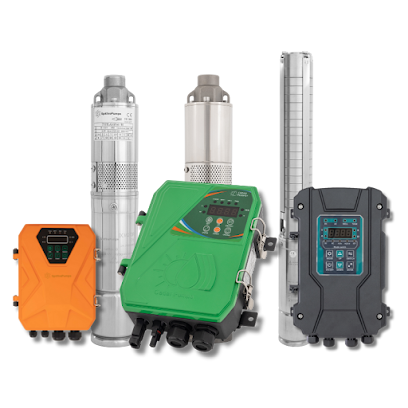
In parallel, Cedar Solar markets a robust range of solar pumping products under the Cedar Pumps® brand. The portfolio includes solar pumps, variable speed drives, and complete solar systems designed for water supply challenges in demanding environments. The company highlights a capability to support both DC and AC/DC hybrid pumping solutions, with a focus on providing reliable hardware and data‑driven sizing to match irrigation or borehole demands precisely. The reseller network comprises hundreds of professional installers, illustrating the breadth of distribution alongside engineering services.
Beyond pumping hardware, Cedar Solar offers specialised solutions for different farming and water‑management scenarios. Off‑grid pumping packages are designed for remote boreholes and agricultural irrigation where Eskom power is unavailable, while hybrid pumping solutions blend solar with grid or generator support to ensure continuous operation. The AC pump conversion service continues to be an emphasised pathway, enabling customers to upgrade existing pumps rather than replace them outright, which is framed as a practical route to energy savings and faster ROI.
The company’s solutions for larger farming operations also include centre pivot solar conversions and pivot‑to‑solar retrofits, intended to reduce running costs and diesel dependence on high‑output irrigation systems. These offerings are framed as end‑to‑end projects, complete with pre‑assessment, on‑site monitoring, and professional commissioning to ensure systems operate optimally from day one. The emphasis is on rugged design tailored to the harsh conditions often encountered in South Africa, including dust, heat, and variable power quality.
Customer experience at Cedar Solar is portrayed as supported by a combination of online tools and hands‑on field service. A sizing app and reseller portal are highlighted as practical aids for correctly matching pump requirements with the appropriate Cedar solution, reducing the risk of mis-sizing and suboptimal performance. The company also operates repair workshops in several locations, offering quick on‑site diagnostics, remote support, and hands‑on maintenance to minimise downtime. After‑sales support is positioned as a core competency, with ongoing technical assistance and training available for solar installers purchasing Cedar products.
Field service and field‑based expertise play a central role in the Cedar Solar value proposition. A dedicated team provides on‑site diagnostics and commissioning support, reinforcing the reliability of the systems during operation. The service network complements a nationwide installer base, ensuring customers can access prompt technical help when required, whether for routine maintenance or urgent fault resolution.
Tips for customers considering Cedar Solar include: validating project scope through pre‑assessment visits, taking advantage of the sizing software to obtain accurate pump matches, and considering the long‑term cost benefits of solar over diesel or grid‑dependent options. For those evaluating pivot or borehole upgrades, it is prudent to assess daylight availability, irrigation demand timing, and the feasibility of a hybrid arrangement to ensure a balanced and resilient system. Customers should also factor in the potential tax advantages associated with solar investments and the benefits of ongoing after‑sales support and spare parts availability from a fully equipped repair network.
In terms of accessibility, Cedar Solar maintains contact channels via contemporary digital touchpoints and a network of field technicians. The company’s regional reach supports customers across the Western Cape and broader Southern Africa, aligning with Helderberg Village’s regional context and similar farming communities that require dependable solar pumping solutions and robust after‑sales service.
- Main services: AC pump conversion to solar, off‑grid pumping, hybrid pumping, centre pivot solar conversions, grid‑tied and hybrid solar systems, backup power, energy audits, swimming pool pumps, and training for installers.
- Typical job types: borehole pumping upgrades, pivot irrigation retrofits, large‑scale farm water supply projects, and on‑site commissioning of solar pumping systems.
- Request workflow: pre‑assessment on site, tailored solution design, sizing via software tools, equipment installation, professional commissioning, and ongoing field support.
- Customer tips: use the sizing tools for precise matching, consider day‑time irrigation alignment with solar output, plan for maintenance and spare parts, and explore hybrid options to balance reliability and cost.
Helderberg Village
Western Cape
South Africa
Sorry, no records were found. Please adjust your search criteria and try again.
Sorry, unable to load the Maps API.
Solar Energy Equipment Supplier Services in Helderberg Village, Western Cape
In Helderberg Village, Western Cape, solar energy equipment suppliers provide a range of services centred on the design, supply and support of photovoltaic and related systems. The emphasis is on dependable power solutions for homes and small businesses, with attention to local climate, grid access, and the practical realities of off‑grid or hybrid configurations common in the region.
Customers typically begin with an assessment of energy needs and site conditions. A supplier or consultant will gather details about electricity consumption, peak demand, roof space or ground‑mount feasibility, and local shading. From this information, a customised plan is developed to determine suitable solar modules, inverters, battery storage options, racking systems, and balance‑of‑system components. The aim is to balance upfront investment with long‑term savings, taking into account the possibility of load management and future expansion.
The core offering centres on equipment supply, including solar panels, inverters, charge controllers, battery banks, mounting systems, wiring, fuses, disconnects and monitoring equipment. Suppliers commonly carry equipment from established manufacturers and may provide guidance on compatibility and performance. While product knowledge is important, emphasis remains on ensuring that the selected components meet the specific electrical requirements and local regulations of the Helderberg region.
Installation services are frequently available or can be organised through trusted partner installers. The typical process involves site preparation, mounting of panels, electrical installation, and commissioning. Adherence to safety standards and compliance with electrical codes is essential, particularly in areas with strict grid connection rules and possible incentives for solar adoption. Customers can expect clear documentation for warranties, system performance expectations, and maintenance requirements.
Maintenance and after‑sales support form a practical facet of these services. Routine checks may include module cleanliness, verification of performance data, inverter cooling and firmware updates, battery health monitoring, and cable inspection. Some suppliers offer monitoring platforms or systems that enable remote reporting of energy production, consumption, and system alerts. This information assists property owners in optimising usage and identifying early signs of inefficiency or component degradation.
Financing and project planning considerations are often addressed in a pragmatic manner. Suppliers may provide indicative cost ranges based on system size and component type, while steering customers toward staged implementations that align with budget, return on investment, and evolving energy needs. In Helderberg Village, where weather patterns include sunny days and seasonal variability, customers might explore hybrid solutions that blend solar generation with grid power or generator back‑ups to ensure reliability during overcast periods or routine maintenance.
Practical expectations are important. The delivery of solar equipment typically occurs after a formal quotation and order confirmation, with lead times varying by component availability. Site suitability assessments may be required before finalising plans, and permits or approvals might be necessary depending on local authority requirements. Clear communication about installation timelines, potential charges, and any ongoing service commitments helps to avoid misunderstandings and supports a smooth project lifecycle.
Overall, solar energy equipment suppliers in Helderberg Village function as a one‑stop reference for planning, provisioning, installing, and maintaining solar power solutions. The focus remains on accessible consultation, reliable component selection, professional installation, and practical after‑care to sustain energy independence and resilience within the Western Cape’s distinctive environment.