AM Solar is a Solar energy company establishment in Randburg, Gauteng, South Africa
AM Solar: Solar Energy Solutions for Homes and Businesses in Randburg and Beyond
AM Solar presents a long‑standing offering in the South African solar sector, operating since 2009 with a focus on engineered solar solutions for residential, commercial, industrial, farm and institutional applications. The business positions itself as a full-service provider, covering design, supply and installation, along with ongoing maintenance and customer support through service contracts. With its head office in Sandton and additional offices in Howick and Lanseria, AM Solar serves multiple provinces, notably Gauteng, KwaZulu‑Natal and the North West, indicating a broad footprint for project deployment and aftercare.
The core proposition centres on enabling customers to “self power” their premises, reducing exposure to load shedding and electricity price volatility. The company emphasises the potential for significant long‑term savings via solar investments, presenting a range of financing options to suit different preferences. These include InPower Solar Finance, rent‑to‑own arrangements, bank financing, and power‑purchase agreements, enabling customers to structure projects without large upfront capital outlays where appropriate. This emphasis on flexible funding is complemented by a policy of full finance options intended to unlock reliable electricity supply and ongoing cost reductions.
AM Solar’s service line is organised into three principal streams: residential, commercial, and specialised system optimisation and maintenance. Residential offerings focus on selecting and implementing grid‑tied, grid‑interactive/hybrid, or standby systems designed to match household energy usage and budgets. The residential line highlights a staged approach: selecting a system, a site visit, finalising design and quote, followed by implementation. In addition, the Power SURE and related product families denote options that combine various levels of storage, self‑consumption and backup capabilities to suit daytime or all‑hours needs.
For commercial and industrial clients, AM Solar provides grid‑tied (often referred to as Power systems) and hybrid/grid‑interactive configurations. The commercial strategy emphasises roof‑top PV installations designed to reduce grid import, with the grid acting as storage in grid‑tied setups. Hybrid and ESS (Energy Storage System) designs aim to increase reliability, support essential loads during outages, and enable peak‑shaving to lower electricity bills. Service offerings also cover system design, supply, installation and ongoing maintenance, with emphasis on achieving fast payback periods and strong long‑term IRR figures cited in their general communications.
A notable aspect of AM Solar’s offering is the emphasis on maintenance and service continuity. The company markets a dedicated SLA/maintenance programme covering panel cleaning, routine inspections, performance monitoring, warranty management, and standby response. Packages range from monitoring and performance tuning to full onsite repairs and regulatory reporting, with scalable pricing aligned to system size. This approach signals an aim to protect solar investments, maximise output, and extend system lifespan through proactive management.
In practice, customer experiences drawn from visitor feedback present a mixed but heavily weighted view towards technical proficiency and value, tempered by examples of service variability. Several reviews praise knowledgeable engineers and reliable systems, noting substantial reductions in electricity costs and strong performance during load shedding. Instances of long‑running success stories emphasise technical expertise, responsiveness to issues, and a willingness to tailor solutions to specific needs. Conversely, some customer comments highlight dissatisfaction with communication, after‑sales responsiveness, and incident handling. Such varied feedback suggests that project experiences may heavily depend on the site team, project scope, and clarity of expectations set during initial planning.
AM Solar’s processes typically begin with a site assessment and a bill review, followed by a structured design and quotation phase. Stage‑based workflows are clearly described for both residential and commercial engagements, with site visits integral to finalising the layout, equipment specifications and design tolerances. The commercial pathway outlines a four‑stage process: sending bills, meeting to discuss needs, finalising the design and quote, and implementing the installation. For customers seeking ongoing assurance, the SLA options provide a menu of monitoring, maintenance and rapid response services, illustrating a commitment to ongoing system performance and regulatory compliance.
Practically useful tips for customers considering AM Solar include the following:
- Clarify the primary objective of the solar installation—load shedding resilience, cost reduction, or energy independence—to align system type (grid‑tied, hybrid, or off‑grid) with expectations.
- Request a written explanation of expected payback ranges and IRR for the proposed configuration, noting that actual figures depend on load profile and tariff conditions.
- Consider the SLA options early in discussions to define maintenance frequency, monitoring needs and response times, reducing the risk of service gaps after installation.
- Ensure good communication channels are established for post‑installation support, and confirm who in the project team will handle warranty and spare‑part management.
- When assessing commercial projects, review the proposed system topology in terms of self‑consumption, net metering, and how the grid will interact during outages.
For potential customers visiting or engaging with AM Solar, note that the company presents a comprehensive portfolio across residential and commercial markets, with a strong emphasis on engineering, design precision, and lifecycle support. While reviews indicate high satisfaction in many cases, prospective clients may wish to perform due diligence on service commitments and references, particularly for larger installations or extended maintenance arrangements. The business remains a notable player in Randburg’s solar landscape, offering experienced engineering teams, diverse financing pathways, and a structured, contract‑driven approach to delivering solar energy and its ongoing care.
Hours and exact visit times are not explicitly detailed on the available materials, but the operation spans at least business hours with a stated regional footprint that includes Sandton, Howick and Lanseria, reflecting coverage across urban and peri‑urban Gauteng and adjacent provinces.
Randburg
Gauteng
South Africa
Sorry, no records were found. Please adjust your search criteria and try again.
Sorry, unable to load the Maps API.
Solar Energy Services in Randburg, Gauteng
In Randburg, Gauteng, the solar energy sector provides a structured suite of services designed to maximise the benefits of photovoltaic (PV) systems for homes and businesses. Local providers typically begin with an on-site assessment to understand energy needs, available roof or ground space, shading, and structural considerations. The aim is to determine whether a grid-tied, off-grid, or hybrid configuration offers the most reliable and cost-effective solution for each customer.
Following the initial assessment, a solar energy company in Randburg usually offers bespoke system design. This includes choosing suitable PV modules, inverters, mounting systems, and wiring layouts. The design process considers electrical load profiles, peak sun hours in Gauteng, and plans for future expansion if required. Systems are sized to meet prevailing electricity consumption while allowing room for growth, subject to budget and space constraints. For commercial customers, design may also cover three-phase requirements, battery storage integration, and scalable solutions for evolving energy needs.
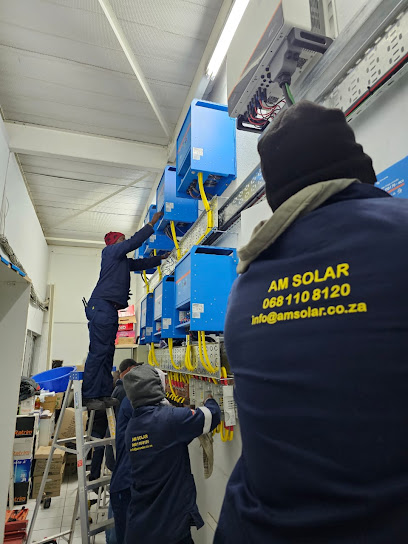
Installation is the next step, with qualified technicians installing panels on rooftops or ground mounts, followed by electrical connections to inverters and batteries where applicable. In residential projects, installations prioritise safety, neat wiring routes, and weather-resistant fittings. For commercial properties, the work often involves more complex electrical distributions, compliance with building codes, and coordination with local authorities to ensure a smooth connection to the grid.
Maintenance and monitoring form a critical part of the service offering. Routine inspections check for loose fittings, corrosion, and debris that could impair efficiency. Monitoring systems enable real-time performance tracking, allowing issues such as reduced output or underperforming modules to be identified promptly. Routine fault diagnosis, inverter checks, cleaning of panels, and battery health assessments are common components of ongoing service contracts. Depending on the arrangement, these services may be supplied on a preventative basis with rapid call‑outs in the event of equipment failure.
Battery storage and energy management are increasingly emphasised in Randburg’s solar solutions. Where storage is included, systems may use deep-cycle batteries to store excess daytime generation for use after sunset. This capability supports resilience against daytime outages and helps average electricity costs by spreading usage more evenly. Some configurations combine solar with load shifting, enabling critical loads to be prioritised during periods of low grid reliability or high tariffs.
Customer support typically extends beyond installation and maintenance. Providers may advise on performance optimisation, such as efficient energy use, shading mitigation, and seasonal planning to maximise energy capture. Clear explanations about warranties, expected system lifespans, and what is required to maintain performance over time help customers make informed decisions. In Randburg, as in the broader Gauteng region, practical considerations include planning permissions, potential municipal or utility interconnection requirements, and ensuring compliance with local safety standards.
Financing and ownership options are commonly discussed, though specifics vary by provider. Prospective buyers may encounter a range of approaches, from outright purchases to financing plans or rental arrangements. Each option has implications for return on investment, maintenance responsibilities, and potential tax or incentive treatment available in the province. It is prudent to obtain a detailed written proposal outlining equipment specifications, anticipated performance, and service commitments before proceeding.
Overall, solar energy services in Randburg, Gauteng focus on delivering reliable, scalable, and well-supported systems. By combining careful site assessment, customised design, skilled installation, and ongoing maintenance, local providers help customers realise the advantages of clean electricity, reduced operating costs, and greater energy independence within this dynamic urban region.