Farmer At Heart is a Solar energy company establishment in Petit, Gauteng, South Africa
Petit
Gauteng
South Africa
Sorry, no records were found. Please adjust your search criteria and try again.
Sorry, unable to load the Maps API.
Solar Energy Services in Petit, Gauteng
In Petit, a town positioned within Gauteng, South Africa, solar energy providers offer a range of services designed to harness the region’s abundant sunlight. From initial site assessments to ongoing maintenance, clients may encounter organisations that focus on practical, end-to-end solutions for homes, small businesses and light commercial applications. The aim is to reduce reliance on the grid, lower electricity costs, and improve resilience against power interruptions, all while aligning with local regulations and environmental goals.
Typical offerings begin with a site evaluation, where the suitability of a property for solar installation is considered. Technicians assess aspects such as roof orientation and shading, roof structure, electrical compatibility, and energy consumption patterns. This preliminary work informs the design phase, which specifies the type and size of solar panels, the configuration of arrays, mounting methods, and the selection of inverters and battery storage if required. The emphasis is on delivering a system that meets current demand and has room for anticipated growth, within a realistic budget.
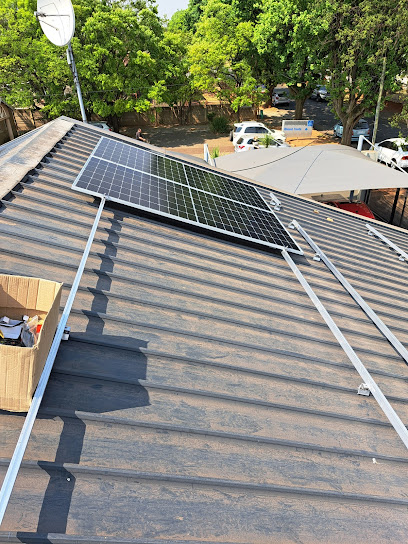
Installation services commonly cover the physical mounting of photovoltaic modules, the electrical connection to the building’s distribution board, and the integration of inverters and, where requested, battery storage. In Petit, where weather conditions and daily usage can vary, installers may propose hybrid or all-in-one solutions that balance daytime generation with evening consumption. While many projects aim for grid-tied configurations, options for off-grid or hybrid systems are also considered for properties seeking greater energy independence or reliable operation during grid outages.
Monitoring and aftercare form an important part of the service offering. Once operational, systems are typically monitored for performance, energy production, and safety. Regular maintenance might include panel cleaning, inspection of wiring and connections, inverter updates, and checks on battery health where storage is installed. Warranties, expected lifespans of components, and maintenance intervals are usually explained to clients so expectations are clear regarding long-term reliability and potential upgrades.
Practical considerations frequently taken into account include planning permissions, building regulations, and any local incentives or rebates that apply to solar installations. Local consultants may advise on the grid connection process, net metering possibilities, and how to manage electricity bills through self-consumption versus export to the grid. Contractors are typically mindful of safety standards, ensuring that electrical works comply with applicable electrical codes and best practices to minimise risks during installation and operation.
Customers in Petit may also encounter service providers who offer energy optimisation consulting. This can involve analysing historical electricity use, identifying high-consumption appliances, and recommending strategies to align demand with solar production. On the residential front, simple measures such as battery backing for essential circuits or smart controller configurations can enhance resilience without imposing excessive costs. For small businesses, commercially oriented options often focus on system scalability, predictable budgeting, and tangible reductions in electricity expenditure over time.
In summary, solar energy services in Petit, Gauteng, typically cover assessment, design, installation, storage options, monitoring, and maintenance. The approach centres on practical outcomes—efficient solar generation, reliable electrical integration, and clearer energy planning—while remaining adaptable to individual property conditions and customer goals. Prospective clients are advised to compare providers on transparent pricing, expected performance, service standards, and the clarity of warranty terms before committing to a project.
- Site assessment and load analysis
- System design and engineering recommendations
- Photovoltaic panel installation and electrical connections
- Inverter selection and battery storage options
- System monitoring, maintenance, and safety checks