Solarcan is a Solar energy company establishment in Johannesburg, Gauteng, South Africa
Gauteng
South Africa
Sorry, no records were found. Please adjust your search criteria and try again.
Sorry, unable to load the Maps API.
Solar Energy Services in Johannesburg, Gauteng
<pIn Johannesburg, the solar energy sector offers a range of services designed to help commercial and residential customers harness renewable power, maximise efficiency, and reduce long-term energy costs. Local providers typically address the full lifecycle of a solar installation, from initial feasibility to ongoing maintenance, with a focus on adapting to the city’s climate, load demands, and regulatory environment.
<pConsultation and site assessment are commonly the first steps. An experienced solar company will evaluate the property’s roof orientation, shading, and structural integrity, as well as electricity usage patterns. This information informs a customised system design that balances available roof space, budget, and expected return on investment. In many cases, assessments include considerations for future expansion, battery storage possibilities, and potential grid interconnection requirements.
<pDesign and engineering form the core of the project. Designers translate the assessment findings into a detailed layout, selecting appropriate photovoltaic modules and electrical components. The layout accounts for roof mounting options, wiring routes, and safety measures. For commercial premises, the system may be scaled to meet specific production targets, while residential projects focus on reliable day-to-day power generation and resilience during outages or load shedding periods that can affect the region.
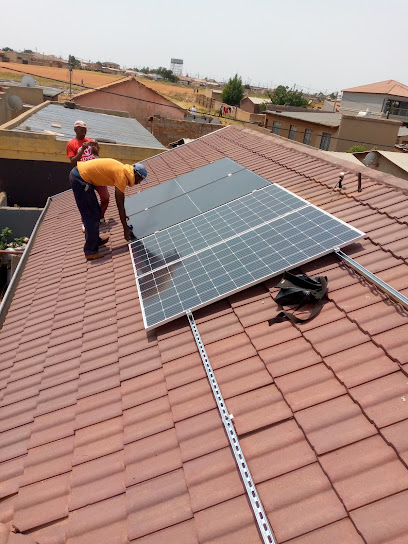
<pProcurement and installation are handled by teams with practical expertise in the local market. Installation services typically cover mounting hardware, electrical connections, inverter installation, and integration with the building’s electrical system. In Johannesburg, considerations such as local weather patterns, electrical codes, and safety standards guide the installation process. A professionally installed system should include proper sealing, weatherproofing, and thoughtful cable management to minimise long-term maintenance requirements.
<pInspection, testing, and commissioning follow installation. After the system is wired, technicians perform electrical tests, insulation checks, and performance verification to ensure the output aligns with the design. Commissioning confirms safe operation, proper inverter communication, and effective energy metering. Once commissioned, customers can expect documentation detailing system specifications, expected generation, and any warranties accompanying the components.
Maintenance and aftercare are essential for sustaining performance. Routine inspections help identify loose connections, degraded modules, or inverter inefficiencies. Some companies offer service plans that include remote monitoring, enabling rapid detection of underperformance and timely adjustments. In the South African context, maintenance may also cover battery health and manager cooling strategies if energy storage is part of the system. Overall, maintenance aims to protect investment, extend component life, and uphold energy reliability during periods of high demand or environmental stress.
Financing options and economic considerations frequently accompany solar projects. Prospective customers in Johannesburg may explore potential savings from reduced electricity purchases, along with the impact on property value and resilience to load shedding. While exact pricing, incentives, and financing terms vary, it remains common for providers to present a clear business case based on projected energy offsets, maintenance costs, and system depreciation. Decision-makers often weigh short-term capital expenditure against long-term operational savings and environmental benefits.
Practical points for customers include understanding grid interconnection processes and any local permits required for roof installations or electrical upgrades. It is important to verify that a provider delivers transparent warranties on modules, inverters, and mounting systems, and that the installation follows safety standards for electrical and fire protection. When selecting a solar energy partner, customers may prioritise experience with similar property types, responsive aftercare, and a documented track record of safe, compliant installations in Gauteng.
In summary, solar energy services in Johannesburg span assessment, design, procurement, installation, commissioning, and ongoing maintenance. The approach is tailored to the city’s climate and energy landscape, with emphasis on reliable performance, safety, and practical cost considerations. For consumers and businesses alike, the pathway to a greener, more self-sufficient energy future is framed by careful planning, professional installation, and attentive ongoing support.