Forest Energy is a Solar energy company establishment in Simarlo AH, Gauteng, South Africa
Forest Energy: Solar and Battery Storage Solutions for Gauteng Businesses
Forest Energy operates in Simarlo AH, Gauteng, offering engineered energy solutions designed to help commercial and industrial organisations manage cost, performance, and reliability. The company presents itself as a partner that combines engineering, financial modelling, and system design to transform energy into a controllable asset. The emphasis is on reducing operating costs, improving uptime, and giving businesses greater visibility and control over long‑term energy spend.
Central to Forest Energy’s offering is a family of structured solutions that integrate solar PV with intelligent battery storage. The core concepts include GridSolar, GridSolarBoost, and Hybrid systems. GridSolar focuses on commercial solar PV installations engineered to deliver maximum return on investment for businesses. GridSolarBoost adds storage functionality that charges and discharges battery systems to mitigate peak tariffs, thereby lowering electricity costs during expensive demand windows. The Hybrid solution combines solar with battery storage to deliver enhanced energy independence and resilience, supporting continuity of operations in the face of supply volatility.
In addition to the hardware and system architecture, Forest Energy promotes a data‑driven approach. The Insights service involves energy analysis and modelling intended to illuminate consumption patterns, tariff exposure, and optimisation opportunities. This analytical layer underpins tailored energy proposals and decisions about investment pathways. The company highlights that projects can be configured to suit different commercial needs, with options for ownership or finance models and no upfront costs through particular financing arrangements.
The service proposition is complemented by ongoing maintenance and performance support. There is an emphasis on optimising long‑term system performance and ensuring reliability through professional operations and maintenance (O&M). This aligns with the idea of treating energy infrastructure as a continuously managed asset rather than a one‑off installation, aiming to sustain savings and reliability over time.
Forest Energy’s engagement model is described as offering multiple investment pathways. Customers can choose CAPEX, where the business retains full ownership and realises long‑term returns; Finance, with structured repayments aligned to savings; or PPA (Power Purchase Agreement), which allows a project to be commissioned with no upfront capital while delivering immediate savings. This flexibility is positioned as a way to align energy projects with a company’s financial planning and cash‑flow considerations.
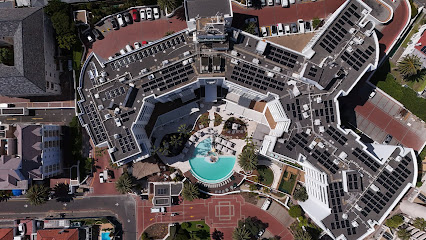
The company lists a growing portfolio of projects across several sectors, illustrating the breadth of its commercial experience. Project types include hospitality, manufacturing, education, agriculture, and retail, with examples such as hybrid solar installations, grid‑tied solar systems, and large‑scale PV with battery storage. While specific client details are sparse in published materials, the project roster indicates experience with varied roof structures, custom PV deployments, and multi‑site installations, reflecting capabilities in project design, engineering, and execution at scale.
For potential customers, practical considerations include energy cost management through peak tariff optimisation, the value of battery storage for demand shaping, and the benefit of integrated solar and storage for business continuity. The emphasis on avoiding peak energy windows and managing tariff exposure suggests a focus on reducing daytime electricity costs while maintaining reliability during periods of grid stress. Forest Energy also promotes the idea of refurbishing or optimising underperforming assets, indicating capability in asset rotation or repurposing as part of energy strategy improvements.
Typical project types and industry focus
- Commercial solar PV installations designed for high ROI
- Hybrid solar and battery storage systems for resilience
- Grid‑tied solar installations and battery optimisation for peak tariff reduction
- Energy insights and modelling to guide investment decisions
- Financing options including CAPEX, Finance, and PPA arrangements
Practical tips for customers include commissioning an early energy audit to understand consumption patterns and tariff exposure, considering peak tariff implications when sizing a solar and storage solution, and evaluating long‑term maintenance needs to ensure sustained performance. When planning a project, it may be helpful to compare investment pathways—CAPEX for ownership versus PPA or structured finance for cash‑flow considerations—and to review potential for repurposing existing solar or storage assets to meet current objectives.
Forest Energy serves the Gauteng region, including the Simarlo area, offering a broad approach to commercial solar and storage with emphasis on financial viability, operational reliability, and data‑driven optimisation. The company presents capabilities spanning design, deployment, and ongoing performance management, aimed at helping businesses convert energy usage into a controllable and cost‑effective asset.
Simarlo AH
Gauteng
South Africa
Sorry, no records were found. Please adjust your search criteria and try again.
Sorry, unable to load the Maps API.
Solar Energy Services in Simarlo AH, Gauteng
In Simarlo AH, Gauteng, solar energy providers offer a range of services aimed at helping households and small businesses transition to renewable power. The typical focus lies in system assessment, design, installation, and ongoing support to ensure reliable performance within South Africa’s energy landscape and climate. Customers can expect a practical approach that balances cost, efficiency, and long-term value, with attention to local regulations and grid connection requirements.
Initial assessment and site suitability are central to most offerings. Professionals evaluate roof orientation, shading, available space, and electrical infrastructure to determine whether a grid-tied, off-grid, or hybrid configuration is most appropriate. This phase usually includes a preliminary energy audit to understand current consumption patterns and identify opportunities for load management. The result is a customised plan that outlines system size, expected generation, and approximate timelines for installation.
Design and engineering services translate assessments into implementable solutions. Solar arrays are configured to optimise sun exposure while complying with safety standards and municipal or regional permitting processes. System design covers panel layout, mounting structures, electrical wiring, inverters, and monitoring components. In Gauteng’s climate, particular attention is given to durability and performance under variable weather, with considerations for effective cooling and heat tolerance of the equipment.
The installation process typically comprises high-quality mounting of photovoltaic modules, integration with inverters, and connection to the electrical system. Qualified technicians handle cabling, protection devices, and anti-islanding safeguards to ensure safe operation in accordance with local electrical codes. Commissioning follows testing of generation output, inverter settings, and safety checks. Once operational, the system is usually configured to provide clear visibility into performance through remote monitoring, allowing the owner to track energy production and consumption over time.
Maintenance and aftercare are common components of solar service portfolios. Routine inspections identify loose connections, corrosion, or wear on components such as racking, panels, and inverters. Cleaning schedules are often advised to maintain efficiency, particularly in dusty environments. Some providers offer maintenance plans that include periodic check-ups, performance reports, and swift fault diagnosis to minimise downtime and protect long-term returns on investment.
Monitoring and performance optimisation are standard features in many offerings. Real-time data helps assess solar yield against estimated projections, enabling prompt adjustments to optimise output. Inverters and battery systems, where applicable, may be monitored for voltage, state of charge, and overall health. For customers exploring energy resilience, hybrid solutions with battery storage can be designed to provide backup during interruptions to the main grid supply, subject to grid regulations and suitable interconnection agreements.
Financing, incentives, and practicality considerations play a role in decision-making. While specific terms vary, potential customers commonly explore options such as ownership, rental, or lease arrangements, and may be guided regarding available government or municipal incentives, tax considerations, and rebates. Practical considerations include ensuring access to professional maintenance, understanding warranty coverage, and planning for future expansion or adaptation as energy needs evolve.
Overall, solar energy services in Simarlo AH emphasise clarity, reliability, and long-term value. The process tends to begin with an assessment of suitability and energy goals, followed by customised design and compliant installation, and sustained support through maintenance and monitoring. For those weighing the switch to solar, the emphasis remains on safe operation, predictable performance, and a practical pathway to reduced dependence on conventional electricity while contributing to a more sustainable local energy mix.