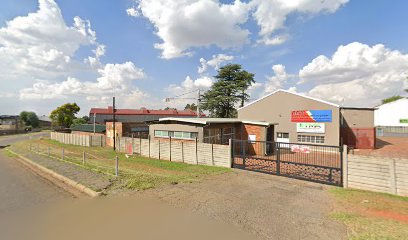
ERGS Energy Solutions is a Solar energy company establishment in Nuffield Industrial Area, Gauteng, South Africa
Nuffield Industrial Area
Gauteng
South Africa
Sorry, no records were found. Please adjust your search criteria and try again.
Sorry, unable to load the Maps API.
Solar Energy Services in Nuffield Industrial Area, Gauteng
In the Nuffield Industrial Area of Gauteng, solar energy providers offer a practical range of services designed to support industrial and commercial operations seeking to reduce energy costs and environmental impact. From assessment to installation and ongoing maintenance, the focus lies on delivering reliable, customised energy solutions that align with local climate conditions and regulatory requirements.
One common service pathway begins with an on-site assessment. Industry clients can expect evaluators to review current energy consumption patterns, identify peak demand periods, and determine the feasibility of solar installations given roof space, orientation, shading, and structural integrity. The outcome typically includes a customised plan that balances system size with anticipated demand, potential energy offsets, and a timeline for implementation. In Gauteng, where daytime solar intensity is ample, assessments frequently highlight opportunities for rooftop arrays or ground-mounted systems on adjacent property, subject to site constraints and property rights.
Technical design and engineering form the next stage. Solar energy professionals translate the assessment into a detailed layout that specifies modules, mounting structures, electrical configurations, and interconnection points. The design process emphasises safety, compliance with local electrical regulations, and resilience against weather events common in the area. Where applicable, options may be explored for energy storage or hybrid configurations that integrate with existing generators or the grid, aimed at stabilising supply during periods of high demand or outages.
Installation follows, conducted by qualified technicians who manage the orchestration of mounting, wiring, inverter placement, and system integration. Clients can expect a structured project plan with milestones, equipment delivery coordination, and safety protocols. In the Nuffield area, contractors recognise the importance of securing appropriate permissions for roof penetrations, ensuring fire safety clearances, and coordinating with building management where industrial facilities are involved. The installation is typically designed for straightforward maintenance and scalable expansion should demand shift over time.
Maintenance and performance monitoring are essential components of the service range. Routine inspections assess panels for dirt accumulation, debris, or shading changes, while electrical diagnostics verify inverter efficacy, optimised string performance, and safety shut-offs. Many providers offer monitoring dashboards that provide visibility into system output, allowing operators to track efficiency, identify anomalies, and schedule servicing before minor issues evolve into more significant concerns. In Gauteng’s mixed climate, keeping modules clean and free from persistent dust is a practical consideration for sustaining energy yields.
Financing and optimisation guidance are often available in parallel with technical work. Clients may encounter phased installation options, which enable revenue saving while distributing capital expenditure. Additionally, solar professionals may advise on tariff structures, potential incentives or rebates, and strategies to maximise return on investment through load shifting or peak shaving. The emphasis remains on sensible investment decisions tailored to the organisation’s cash flow, utilisation patterns, and long-term energy goals.
Practical considerations for organisations in the Nuffield Industrial Area include adherence to local zoning rules, electrical codes, and safety standards. Site access for equipment delivery, crane or forklift requirements, and minimising disruption to ongoing operations are routinely addressed in project planning. Environmental considerations, such as recycling arrangements for decommissioned equipment at end-of-life, may also be part of a responsible service approach. Overall, customers can expect a conscientious, results-oriented process that seeks to align solar deployment with business objectives while delivering dependable, clean energy.