Hzsolar Manufacturers SA is a Solar energy company establishment in Johannesburg, Gauteng, South Africa
HZSolar Manufacturers SA — Solar energy products and customer experience in Johannesburg
HZSolar Manufacturers SA operates as a manufacturer and distributor of genuine solar products based in Gauteng, servicing customers in Johannesburg and the wider South African market. The company presents itself as a provider of a complete solar solution, focusing on essential components for solar power systems such as mono solar panels, hybrid and off‑grid inverters, and a range of energy storage options including gel batteries and lithium battery solutions. The emphasis throughout the site is on enabling homes and businesses to transition to solar energy to achieve environmental benefits and potential savings on electricity usage.
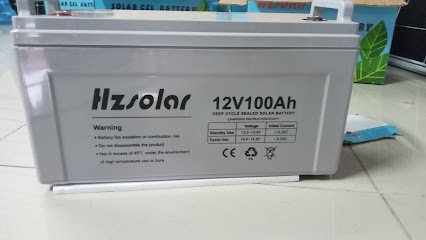
The core offerings highlighted on the company’s pages include solar panels (notably mono crystals), inverters suitable for off‑grid and hybrid configurations, and a variety of batteries designed to be paired with solar installations. The product listings convey a modular approach to solar power, with options ranging from compact, lower‑capacity panels and storage units to larger, rack‑mounted or container energy storage systems. The site also showcases specialised storage solutions such as rack‑mounted energy storage, container energy storage, and indoor/outdoor energy storage units, which are positioned for versatility across different installation environments. This breadth supports both residential rooftop applications and larger or more power‑intensive setups often associated with small businesses or remote locations needing reliable solar power and peak shaving capabilities.
In terms of project types, the site implies suitability for a variety of installations, including typical domestic solar upgrades as well as commercial or industrial configurations that require robust energy storage and dependable power supply. The presence of hybrid and off‑grid inverter models indicates an offering designed to handle systems that operate independently of the public grid or supplement it during outages or peak demand. Customers can expect a product‑level focus common to manufacturers and distributors who aim to provide end‑to‑end components that can be integrated into customised solar power solutions.
Customer experience, as reflected by the available visitor feedback, shows a mixed picture. Several customer reviews suggest reliability concerns in some instances, with comments describing issues related to warranties and claims. The impression given by such feedback emphasises the importance of clear warranty terms, after‑sales service, and reliable support when selecting a solar supplier. While the company’s product range appears comprehensive, potential buyers are advised to consider their specific needs carefully, verify warranty conditions, and review service expectations as part of the procurement process.
The purchasing journey, as inferred from the site structure, involves selecting products through the online catalog and obtaining information on how the solar system operates. The site’s repeated messaging about “Solar power the way forward” frames the business as a facilitator of solar adoption, encouraging customers to switch to solar to benefit from reliability and potential savings. For visitors seeking practical guidance, the site offers product detail pages and general information about solar equipment, inviting users to review specifications and compatibility with different installation contexts.
The company’s geographic focus is centred on Johannesburg and the Gauteng region, with the website presenting itself as a local source for solar components. This localisation aligns with the needs of customers seeking quick access to parts, technical knowledge, and locally distributed equipment for domestic or enterprise applications.
Practical tips for customers planning a solar project with Hzsolar products include:
- Start with a clear assessment of energy requirements to determine appropriate panel wattage and storage capacity before selecting an inverter type.
- Review warranty terms carefully, especially when considering gel versus lithium storage options and inverters, to understand coverage and claim procedures.
- Compare different storage configurations (rack, container, and indoor/outdoor options) to find the arrangement that best fits the installation site and space constraints.
- Verify compatibility between solar panels, inverters, and batteries, and ensure proper sizing for peak loads and potential future expansion.
- Ask for detailed product specifications and installation considerations tailored to residential or commercial needs, including any local regulations or grid‑connection requirements.
- Plan for maintenance and periodic checks of storage systems and inverters to sustain performance over time.
Overall, Hzsolar presents a broad catalog of solar hardware aimed at enabling solar adoption in South Africa’s climate and market. While the product range supports varied installation scenarios, prospective buyers are encouraged to review warranties, seek reliable after‑sales support, and evaluate how the chosen configuration aligns with long‑term power needs and budget considerations.
Johannesburg
Gauteng
South Africa
Sorry, no records were found. Please adjust your search criteria and try again.
Sorry, unable to load the Maps API.
Solar Energy Services in Johannesburg, Gauteng
In Johannesburg, Gauteng, solar energy companies provide a range of services designed to help property owners make informed choices about solar power, reduce electricity costs, and improve resilience against load shedding. The focus is typically on assessing individual demand, delivering customised design, installing reliable hardware, and offering ongoing support to ensure systems perform optimally in the local climate and regulatory environment. The services emphasise practicality, safety, and long‑term value rather than theoretical capabilities.
Initial consultations usually involve a site visit to understand roof layout, available space, shading from neighbouring buildings, and the direction of sun exposure. A knowledgeable assessor will review historic electricity usage, peak demand, and seasonal variations to estimate the potential size and configuration of a solar installation. This stage often includes a preliminary financial assessment, outlining potential savings, payback periods, and the likely impact on monthly utility bills. Where appropriate, customers can expect guidance on compatible electrical upgrades and any required permits or approvals.
System design and engineering form the core of the service offering. Engineers and technicians tailor a solution that balances roof space, panel efficiency, inverter capacity, and battery storage (where off‑grid or hybrid operation is desired). In Johannesburg, considerations include the local climate, which features high solar irradiance but also seasonal cloud cover and potential for dust. Designs may prioritise a grid‑tied configuration with net metering possibilities or an off‑grid or hybrid system for properties aiming to maintain critical loads during power interruptions. The design process also accounts for wiring routes, mounting systems, load transfer, and compliance with electrical safety standards.
Installation is delivered by qualified installers who manage electrical connections, safety protocols, and integration with existing electrical boards. Quality workmanship focuses on secure mounting, neat cabling, and accurate representation of system capacity. After installation, a commissioning phase verifies that inverters, panels, monitoring software, and safety switches operate correctly. Credentials and certification ranges vary, but installations typically follow recognised electrical safety guidelines and manufacturer installation requirements to support long‑term reliability.
Monitoring and maintenance are common ongoing services. Modern solar systems often include monitoring dashboards that track energy production, system health, and alert owners to any deviations. Routine maintenance might involve cleaning panels, inspecting mounting hardware, tightening connections, and testing safety features. Some companies offer preventative maintenance plans with scheduled inspections and responsiveness to fault indications, which help protect the investment and sustain performance over time.
Modern solar offerings extend into energy management and storage. Where appropriate, providers discuss battery storage options to preserve generated energy for use during evening peaks or outages. Systems may be prepared to integrate with smart meters and demand‑side management strategies, enabling property owners to optimise when solar power is consumed or exported to the grid. In Gauteng, storage considerations are influenced by currency of tariffs, potential load shedding patterns, and the feasibility of recovering capital through energy savings.
Financial and administrative support is commonly available. Prospective customers may be guided through funding options, loan products, or lease arrangements where suitable. Clear explanations of warranties for panels, inverters, batteries, and installation workmanship help customers understand coverage and maintenance expectations. Throughout, practical considerations such as roof condition, access for future maintenance, and the potential need for roof or structural repairs are addressed to avoid surprises after commissioning.
Overall, solar energy services in Johannesburg emphasise practical outcomes: reduced electricity costs, improved reliability, and adaptable systems that suit both residential and commercial properties. Customers can expect thorough site assessments, customised designs, competent installation, and ongoing support designed to maximise performance within the local regulatory and climate context.
- Site assessment and load analysis
- customised system design (grid‑tied, off‑grid, or hybrid)
- Electrical installation and commissioning
- Monitoring, maintenance, and fault response
- Storage planning and energy management options
- Permitting, compliance guidance, and after‑sales support