Solarfirst : Muranda Mambo : Head Office : Johannesburg is a Energy supplier establishment in Randburg, Gauteng, South Africa
Solarfirst: Muranda Mambo – Johannesburg Head Office Summary
Muranda Mambo, established in May 2015, operates as a diversified holding company with a focus on digital sustainable energy, sustainable mobility, real estate and hospitality. Its SolarFirst division designs, manufactures, imports and distributes specialised Sustainable Energy Production and Management Systems for domestic, commercial, industrial and utility-scale applications. The organisation positions its Head Office in Johannesburg, with additional branches spanning Southern Africa, illustrating a regional emphasis on scalable energy solutions and related technologies.
From the perspective of service delivery, the core offering concentrates on Sustainable Energy Solutions with a primary emphasis on solar energy systems. The portfolio encompasses design, manufacture and distribution activities, aimed at a broad clientele that includes registered dealers, retailers and sub-distributors across South Africa and the Southern Africa region. The business emphasises a dealer network model to extend reach, support, and guidance for customers seeking solar installations, energy management systems and related technologies. In addition, the group notes involvement in sustainable mobility (electric vehicle solutions) and wind energy, aligning with a broader clean-energy mandate that complements its solar activities.
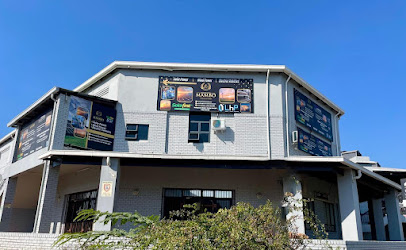
The company’s physical footprint reflects a central hub in Randburg, Johannesburg, with the Head Office located at Trent Place, 62 Rabie Street, Fontainebleau, Randburg, 2194. This base serves as the gateway for partner networks and customer interactions in Gauteng and beyond, underscoring a regional focus on the South African market while maintaining transnational interests. Local and regional offices are supported by a range of contact points for regional branches and satellite operations, which mirrors the organisation’s intent to facilitate responsive service across multiple territories.
Customer experience appears to be shaped by a professional, client-centric approach demonstrated in visitor feedback. Reports describe welcoming reception strategies and efficient assistance, with a focus on providing comfort and prompt attention to customer needs. Reviews highlight the availability of product information, diverse stock through partner retailers, and a willingness to engage with customers to address queries and offers. The operational ethos is reinforced by responses that acknowledge customer feedback and aim to sustain reliable, value-driven service.
Typical project types, while not exhaustively enumerated, can be inferred from the stated market focus on Sustainable Energy Solutions and the distribution model. Projects likely span domestic residential solar upgrades, commercial energy installations, industrial-scale systems and utility-aligned deployments. The inclusion of Sustainable Mobility and wind energy suggests potential involvement in charging infrastructure, EV-related technology, and wind energy components alongside solar offerings. The emphasis on dealer networks implies a distribution and installation ecosystem that supports partner-led projects in targeted regions.
Requests and engagements typically unfold through a network of dealers, retailers and sub-distributors rather than direct consumer-only channels. The supplier’s structure supports regional access through multiple offices and a broad contact framework, enabling potential customers to connect with appropriate channels for information, quotations, site assessments and project delivery. The business’s transnational footprint and local Johannesburg base position it to respond to both local demand and cross-border opportunities within Southern Africa.
Practical tips for customers or prospective partners include the following:
- Identify a local dealer or distributor within the Muranda Mambo network to obtain tailored solar and energy-management solutions suitable for specific site conditions.
- Clarify project scale and application type (domestic, commercial, industrial or utility-scale) to align product selection with system capacity and long-term energy goals.
- Assess available after-sales support and warranty terms via the regional branch or dealer network to ensure ongoing system performance and service continuity.
- Consider the broader energy mix strategy, noting the group’s interests in sustainable mobility and wind energy as potential complementary options for larger energy plans.
- For accessory and component sourcing, visit the product catalogue and category pages to understand the range of solutions and to prepare a structured request for information or quotation.
Area served and location context are centred on Randburg, Gauteng, with the Head Office serving as the South African hub. The regional footprint includes a comprehensive network across Southern Africa and select international satellites, reflecting an intention to support a broad customer and partner base while maintaining strong local delivery in Johannesburg.
In summary, SolarFirst under Muranda Mambo presents itself as a multifaceted provider of sustainable energy technologies, prioritising solar energy systems, distribution through a dealer network, and adjacent sustainable mobility and wind energy capabilities. The Johannesburg Head Office anchors a scalable, regionally oriented operation designed to serve both local and wider Southern African markets with a focus on reliable product access, dealer-led service delivery and a proactive customer experience.
Randburg
Gauteng
South Africa
Sorry, no records were found. Please adjust your search criteria and try again.
Sorry, unable to load the Maps API.
Energy supplier services in Randburg, Gauteng
Energy supplier services in Randburg, a municipality within Gauteng, typically cover a range of essential duties designed to meet residential, commercial, and small‑business needs. Service provision centres on delivering reliable electricity supply, managing customer accounts, and supporting informed decisions about consumption and efficiency. While Randburg observers note regional variations, the core functions tend to follow common patterns across metropolitan areas in South Africa.
Typical services provided
- Supply arrangement and account management: Customers register with one or more energy suppliers for the delivery of electricity to a given property, with account details, billing cycles, and payment methods clearly defined.
- Metering and metering data: Regular metering measurements record electricity usage. In many cases, customers can access historical consumption data to understand patterns and identify opportunities for savings.
- Billing and payment options: Periodic invoices or statements reflect energy consumption, demand charges, and any prevailing tariffs. Payment channels often include online methods, card payments, and, where applicable, cash or authorised agents.
- Tariff structures and pricing: Different tariff options may be available, including time-of-use or standard flat rates. The structure is designed to reflect the cost of supply and network maintenance, subject to regulatory rules and local policy.
- Outage information and service continuity: Providers typically communicate planned maintenance windows and respond to unplanned outages, offering outage maps or notifications to help customers plan around interruptions.
- Customer support and dispute resolution: Dedicated support channels exist for account queries, billing disputes, meter issues, and service interruptions, with escalation pathways for unresolved matters.
- Energy efficiency and consumer advice: Service providers often offer guidance on reducing consumption, selecting efficient appliances, and understanding the impact of different tariffs on monthly bills.
- New connections, transfers, and alterations: Procedures cover establishing new connections for homes or businesses, transferring supply when a property changes hands, and updating details for alterations to the electrical installation.
- Safety information and compliance: Customers receive information about electrical safety, load management, and regulatory requirements relevant to domestic and commercial users.
What customers can expect in Randburg
People in Randburg can expect a straightforward process for establishing or changing electricity supply, subject to local verification requirements and property access considerations. Early steps typically involve confirming the correct supply point, understanding the applicable tariff, and acknowledging any anymetre reading or inspection requirements. For commercial users, there may be additional considerations around load profiles, demand charges, and service reliability for critical operations.
Practical considerations
- Verification and documentation: Utilities and energy providers commonly require proof of property ownership or occupancy, along with identification and property details, before establishing or modifying supply arrangements.
- Metering arrangements: Some properties operate with prepayment meters, while others use postpaid arrangements. Understanding the type of metering in place helps anticipate billing cycles and payment expectations.
- Reliability and outages: Randburg, like many urban centres, can experience planned maintenance and occasional outages. Planning for contingencies, ensuring essential services have appropriate backup options, and staying informed through supplier communications are prudent steps.
- Environmental and efficiency incentives: While specific incentives vary, customers may encounter guidance on energy-saving practices, appliance efficiency, and potential investments in renewable solutions such as solar photovoltaic systems, aligned with local policies and regulations.
- Regulatory framework: Energy supply in Gauteng adheres to national and provincial regulatory standards. Consumers benefit from clear terms of service, transparent pricing within allowed tariffs, and accessible complaint procedures.
Overall, energy supplier services in Randburg aim to provide dependable electricity supply, clear billing, accessible support, and practical tools for users to manage consumption effectively. The emphasis remains on reliable access to power, transparent charges, and practical guidance for energy efficiency and informed choices.