Technical specifications and performance fundamentals
Nominal power and efficiency ratings
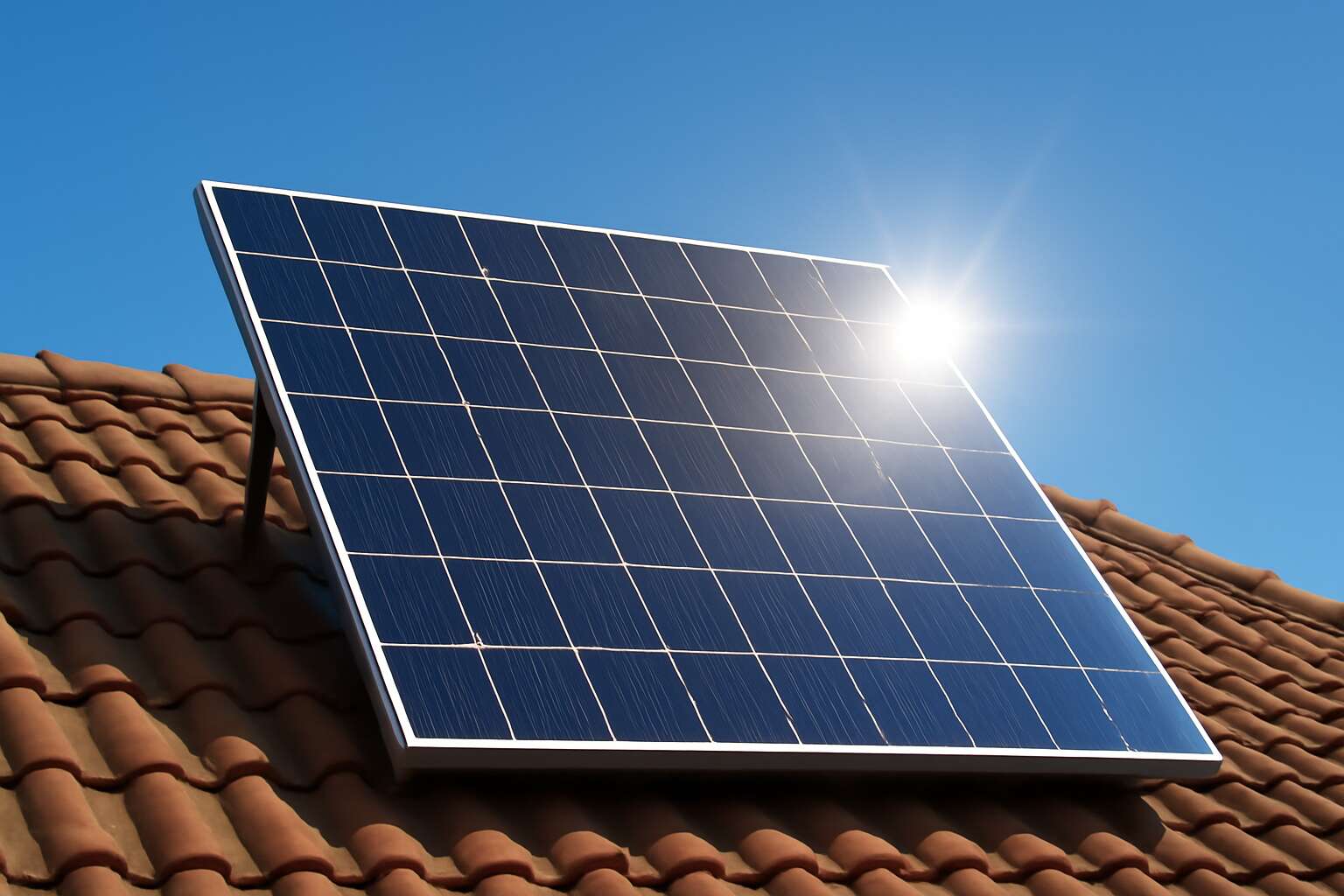
Sunlight here isn’t a scarce visitor; it pours across rooftops and plains. For South Africa’s homes craving steadier power, a 375w solar panel rises as a quiet emblem of hope and craft. In sun-kissed regions, the potential to capture that light feels transformative!
Technical specifications and performance fundamentals anchor expectations for the 375w solar panel, guiding how it harmonizes with inverters.
- Nominal power: 375W
- Module efficiency: ~19–22%
- Temperature coefficient: ~-0.35%/°C
Open-circuit voltage and current profiles vary by manufacturer, yet SA inverter compatibility remains a hallmark.
Its build carries quiet elegance—robust frames and resilient cells, ready for the heat and glare of SA summers.
In the hush of dawn and in bold afternoon, the 375w solar panel keeps promising momentum.
Electrical characteristics: Voc, Vmp, Isc, Imp
Rooftops across SA are waking up to the sun’s efficiency—on bright days, rooftops soak up to 5–6 kWh per square meter. The 375w solar panel is quietly leading the charge. In our sun-soaked climate, these modules turn daylight into dependable power, day after day, with the swagger of a Durban sunrise.
Electrical characteristics anchor performance: Voc, Vmp, Isc, Imp.
- Voc typically 44–46 V
- Vmp around 36–38 V
- Isc roughly 9–11 A
- Imp about 9–10 A
For a 375w solar panel, these figures are a manufacturer’s target, not a promise. Temperature, shade, and orientation tweak the real-world draw, but the overall trend remains: more sun equals more usable watts.
Temperature effects and derating
South Africa’s rooftops drink deep from the sun; peak irradiance can exceed 1000 W/m², turning daylight into steady current. The 375w solar panel stands ready, turning sunshine into reliable power.
Built for endurance, it wears a rugged frame, tempered glass, and a seal against coastal air. Sturdy MC4 connections and a generous voltage window guide performance across SA rooftops.
Temperature is the quiet editor of output. As panels heat, voltage falls and watts drift lower; derating follows, especially in Durban’s heat. Proper tilt and clean airflow help preserve the gains.
- Ambient temperature vs panel temperature and the temperature coefficient
- Sun-path tilt and orientation for your roof
- Shading, soiling, and wiring losses in series strings
These are the undercurrents shaping the system’s real-world performance.
Physical dimensions, weight, and form factor
On South Africa’s sun-drenched rooftops, the footprint matters. The 375w solar panel is engineered to balance generous power with a discreet silhouette, a rectangle that slides into standard mounting rails without drama. Its physical dimensions, weight, and form factor are chosen to minimize wind loading while maximizing rooftop real estate and ease of maintenance.
- Physical footprint aligned with common racking and tile layouts
- Manageable weight for safe handling during installation
- Robust form factor with a sealed back and coastal-ready frame
In the South African climate, these choices translate into steadier, more predictable energy capture across dawn and late afternoon, a quiet reliability atop a busy cityscape.
Performance, output, and real-world energy production
Standard test conditions and rated output
Performance in the field matters as much as any lab spec. A 375w solar panel is designed to convert bright South African days into steady power, with Standard Test Conditions providing a trusted benchmark for its rated output. In real life, you feel the difference as daylight shapes daily energy use.
Real-world energy production depends on more than lab figures. Factors you observe in the field include orientation, shading, and heat.
- Orientation and tilt to catch seasonal sun
- Shading from trees or dust on panels
- Ambient temperature reducing efficiency in heat
Across South Africa’s varied landscapes, a well-placed system can support homes and farms through dry spells and storms, turning daylight into dependable daily energy.
Performance under varying irradiance and temperature
Sunlight in South Africa is not a steady drumbeat; it’s a pulse that shifts with the hour. A 375w solar panel responds in kind, chasing the sun’s baton across the sky. Performance under varying irradiance and temperature defines whether that panel hums at full strength or treads water. On crisp, bright days it nears its potential; as heat climbs, the margins tighten and the curve flattens.
Three forces steer real-world output:
- Irradiance and sun angle shifting across the day
- Panel temperature and heat derating
- Debris, shade, and partial obstruction from surroundings
Across South Africa’s diverse landscapes, this unit can anchor daily energy by letting daylight weave through the day’s patterns with care and placement. The result is energy that tends to rise when air is cool and bright, and soften during the hottest hours, reminding us that real-world production is a story written in light.
Impact of partial shading on output
South Africa basks in generous solar potential, where noon irradiance can flirt with 1000 watts per square metre. A 375w solar panel answers this chorus with steady poise, chasing the sun’s baton across the sky. Real-world performance follows the day’s pulse—bright and crisp in the morning, then softening its tempo as heat climbs.
Output mirrors that rhythm: cooler air often unlocks more usable power, while heat tightens margins and flattens the curve. Across our varied landscapes, smart placement lets daylight weave through the day’s pattern, building momentum in the cool hours and easing as the hottest hours arrive.
Partial shading changes the plot in three intimate ways:
- Mismatch losses spread across strings, dragging overall output below expectation.
- Bypass diodes steer energy around blocked sections, rescuing some power but not all.
- Even a narrow shadow on a rooftop can disproportionately reduce the harvest for a 375w solar panel.
Power degradation and calendar life
In a sun-scorched stretch of South Africa, a single 375w solar panel translates noon glare into quiet arithmetic, turning daylight into a companion that keeps your systems in step with the sun’s own rhythm. The machine feels almost deliberate, patient!
Performance and output are a function of light, temperature, and installer care. Real-world energy production climbs in cool mornings and settles as heat rises, with higher irradiance delivering sharper voltage and steadier current.
Power degradation and calendar life: Across years, capacity tapers modestly—typical PV degradation sits around 0.5–1% per year, shaping the long arc of output. With robust design and favorable climate, this unit often carries its calendar life into decades.
Real-world vs STC performance comparisons
Across South Africa, a 375w solar panel translates noon glare into reliable energy, a small brick of quiet competence on a rooftop. Real-world performance rides on sun angles and system upkeep, not just lab perfection. The sun’s tempo and your install quality shape daily output as surely as the calendar.
- Cleanliness and dust management on panels keep reflectance steady.
- Proper orientation and tilt capture the sun’s path through the seasons.
- Avoiding partial shading from nearby structures or trees.
Compared to STC, real-world output sits below the nominal 375w figure, often by a noticeable margin in the SA heat. In cooler mornings and clear afternoons, the gap narrows, highlighting the value of straightforward design and sound maintenance.
Applications and system integration
Residential, commercial, and off-grid use cases
In South Africa’s sun-drenched mornings—when the country basks in roughly 2,500 hours of sunshine annually—a 375w solar panel becomes a quiet artisan of energy, turning light into reliable daytime power for homes and businesses alike. Its compact silhouette belies a steadfast core, ready to blend with existing roofs, as I watch it busily feed in through inverters and meters while the city hums around it!
- Residential: rooftop arrays that sharpen bill savings and smooth morning peaks.
- Commercial: shading canopies and small microgrids that keep operations uninterrupted.
- Off-grid: remote cabins or water pumps where grid access is scarce but sun is abundant.
The 375w solar panel integrates with storage, monitoring, and service life, offering flexibility and resilience in South Africa’s evolving energy landscape, with emphasis on safety, reliability, and long-term performance.
Series vs parallel configurations and wiring strategies
In South Africa’s sunlit routine, a 375w solar panel quietly gets to work, turning glare into daytime power. With around 2,500 sun hours per year, your roof becomes a dependable energy workshop, feeding inverters and meters with a steady cadence and little fanfare—no drama, just reliable energy delivery.
Applications and system integration hinge on how the cells are braided into your building’s electrical tapestry. Series vs parallel configurations shape performance:
- Series raises voltage for longer runs and fewer conductors
- Parallel increases current and improves shading tolerance
- Hybrid strings paired with smart controllers balance both worlds
And when you add storage and monitoring, the 375w solar panel ages gracefully under South Africa’s evolving energy landscape, offering safety, reliability, and long-term service life.
Inverter, battery, and charge controller compatibility
South Africa’s sun doesn’t bargain, and neither should your energy supply. A 375w solar panel quietly translates glare into daytime power, feeding inverters and meters with a steady, unremarkable rhythm. “The sun is a constant,” a seasoned installer likes to say, and this panel keeps faith with that promise.
Applications and system integration hinge on aligning the panel with the right inverter, battery chemistry, and charge controller.
- MPPT-ready inverters maximize voltage matching with the 375w solar panel.
- Battery options include LiFePO4 and AGM, selected for cycle life and temperature tolerance.
- Charge controllers should handle Voc headroom and rapid irradiance changes for best efficiency.
A thoughtful triad of components yields reliability and a longer calendar life in South Africa’s climate.
Mounting options for roofs and ground installations
Applications and system integration hinge on where the 375w solar panel sits most of the day. Roof installations keep a tidy footprint while withstanding South Africa’s gusty conditions, converting glare into a steady stream of daytime power. Ground mounts offer flexibility on larger plots, letting crews optimise tilt and orientation to chase the sun across seasons. In both cases, framing and alignment must respect roof type, shade patterns, and wind loads to keep the system resilient!
Common mounting options include:
- Roof-mounted rail systems with tilt adjustments for pitched or flat roofs
- Ground-mounted fixed-tilt racks designed for easy access and wind resilience
- Ground-mounted adjustable trackers for maximum daily energy capture in larger installations
Installation considerations and mounting
Site assessment and mounting hardware
South Africa’s abundant sun makes a 375w solar panel a practical cornerstone of a clean, resilient roof system. Before you mount, weigh installation considerations and mounting feasibility as part of the plan.
Site assessment should consider roof orientation, tilt, shading from nearby trees, and local wind loads. Choose mounting hardware that resists corrosion in coastal air and aligns with local codes. For ground installations, evaluate soil bearing and accessibility for occasional maintenance. The goal is solid support, not flashy aesthetics—stability over time pays off in performance and safety.
- Roof type, mounting structure, and rail spacing
- Wiring routes, cable protection, and drainage
- Corrosion-resistant fasteners and sealants
Wiring, wiring safety, and power optimizations
Installation for a 375w solar panel is a quiet act of craftsmanship—where safety and performance meet under South Africa’s blazing sun. Wiring must endure heat, humidity, and coastal air, while clean routing respects codes and keeps maintenance simple. The result is steady, resilient power.
- Accessible DC disconnect and clear labeling
- UV-rated conduit and weatherproof seals
- Proper conductor gauge and overcurrent protection
- Short, direct wiring runs to minimize voltage drop
Wiring safety and power optimizations flow together: plan routes to minimize bends, use supported clamps, and future-proof with room for expansion. This disciplined approach ensures peak output as the sun travels across a South African sky.
Roof load, wind resistance, and environmental considerations
Roof mounting is a quiet choreography where sun and structure meet in a deliberate breath. A 375w solar panel asks more than space—it asks a roof to bear light through heat and wind with steady grace. In South Africa, coastal air and inland heat test rafters alike, so strength and corrosion resistance align with codes to become a poem of safety and performance. Longevity rewards the partnership between panel and roof.
- Roof load capacity and mounting compatibility with local building regulations
- Wind resistance and bracing for exposed sites, hipped roofs, and coastal zones
- Environmental considerations: salt spray, heat cycling, and roof material compatibility
From this vantage, installation considerations become a vignette of resilience—the roof bearing light’s ambition while weather shapes the panel’s silhouette under a South African sky.
Permits, codes, and safety compliance
On South African rooftops, installation is poetry in steel and sun, where permits and safety give form to ambition. A 375w solar panel asks not merely for space but for blessing from building authorities, ensuring every beam carries light without compromise. Safety, after all, is the truest ballast in a solar story, and I’ve seen it steady teams through every permit turn.
Permits, codes, and safety compliance weave through the process, shaping a project with ceremony and care. Considerations include site-specific approvals and the respect due to local bylaws!
- Municipal building permit and zoning checks
- Electrical installation regulations and approved wiring practices
- Quality and safety inspections by accredited bodies
From the city to the coast, this choreography remains the same: a roof, a panel, and a ledger held in balance under a South African sky.
Cost, warranties, and procurement
Pricing, cost per watt, and total installed cost
Cost planning for a 375w solar panel starts with the numbers. In South Africa, the installed price per watt typically sits in the R20 to R30 range, and a single panel of this size often runs roughly R6,000 to R9,000 depending on brand and certification. The total installed cost hinges on mounting and wiring complexity.
Warranties are a cornerstone of reliability. Expect 25 years of power output warranty on quality panels, with a 12- to 15-year product guarantee. Installations usually carry a workmanship warranty, commonly 1 to 5 years, depending on the installer.
Procurement pricing and purchasing options shape the final bill more than the panel alone. For those handling the project, the simplest path involves these options:
- Direct from a manufacturer for bulk buys
- Authorized local distributors with service and parts
- Certified installers offering turnkey packages
Warranties, durability, and service life
Across South Africa, load shedding has become a near-daily fact, and a 375w solar panel stands as a reliable daily kit, turning raw sun into steady energy and a quiet sense of freedom. The cost story begins with the rating, but the real promise lies in warranties and the chance to protect the investment for years to come.
Warranties define durability in concrete terms. Expect 25 years of power output warranty on quality panels, with a 12- to 15-year product guarantee. Installations usually carry a workmanship warranty of 1 to 5 years, granting confidence that the system will hold up through seasons of heat, dust, and wind.
To simplify the journey, three solid paths exist, each with its own service network.
- Direct from a manufacturer for bulk buys
- Authorized local distributors with service and parts
- Certified installers offering turnkey packages
Where to buy, how to compare specs, and procurement tips
South Africa’s grid drama is a daily spectacle, and a 375w solar panel is the starring role in your energy routine. The cost story begins with price per watt, but the real promise lives in warranties and service life—the quiet confidence that your sunny investment keeps giving.
When sizing up value, look beyond the sticker price. A robust warranty, a healthy service network, and clear performance guarantees matter more than a flashy metric. That 375w solar panel pays dividends through steady output and resilience against heat, dust, and wind, not just a first-day thrill.
Where to buy, how to compare specs, and procurement considerations come down to three trusted avenues:
- Direct from a manufacturer for bulk buys
- Authorized local distributors with service and parts
- Certified installers offering turnkey packages
Maintenance, durability, and certifications
Maintenance routines and cleaning
Durability is built into each 375w solar panel we specify for South African installations. In a climate with high UV and heat cycles, and with South Africa averaging over 2,000 sun hours annually, rugged glass, a corrosion-resistant frame, and solid mounting hardware keep performance steady year after year. Maintenance becomes a matter of observation—watching for discoloration, loose hardware, and mounting integrity.
Cleaning and professional inspections help sustain peak output, with attention to dust and bird droppings common in rural and peri-urban areas. These panels tolerate harsh sun, yet proper care minimizes micro-cracks and shielded electrical connections, preserving long calendar life.
Certifications guard against edge-case failures and ensure safety across environments. Common safeguards include:
- IEC 61215 crystalline silicon module standard
- IEC 61730 safety qualification
- SABS certification for South Africa
With these in place, owners gain confidence that the system stands up to weather and time, supported by robust warranties and service agreements.
Durability features: frame, junction box, and PID resistance
In South Africa’s sun-scorched landscape, the 375w solar panel endures where other panels falter. Maintenance becomes careful observation: watch for discoloration, loose hardware, and mounting integrity over the years.
Durability features: frame, junction box, and PID resistance anchor steady output through heat cycles and dusty days. The frame uses corrosion-resistant aluminium, the junction box seals against the harshest dust, and PID resistance protects the electrical heart.
- Frame: corrosion-resistant aluminium for coastal and inland exposure
- Junction box: sealed, IP-rated enclosure for water and dust protection
- PID resistance: mitigates potential-induced degradation across the calendar life
Certifications guard against edge-case failures and ensure safety across environments. Standards include IEC 61215 crystalline silicon module standard, IEC 61730 safety qualification, and SABS certification for South Africa. The 375w solar panel is built to endure.
Certifications and standards: UL, IEC, CE
Maintenance for a 375w solar panel is straightforward. In South Africa’s sun-soaked climate, regular cleaning to remove dust and debris, plus periodic checks of mounting hardware and cabling, keeps performance steady. We recommend a quick visual inspection every season to prevent small issues from becoming costly faults!
Durability translates to reliable output through heat cycles and dusty days. A robust construction, with sealed enclosures and corrosion-resistant components, resists everyday wear so service life remains strong even under tough African conditions.
Certifications underpin safety and reliability across environments. Look for UL, IEC, and CE marks, with local SABS approval to suit South Africa. These standards help safeguard against edge-case failures and reassure long-term performance.
- UL
- IEC
- CE
- SABS


0 Comments