Understanding Solar Panels for Home Entertainment
Types of solar panels for TVs and fridges
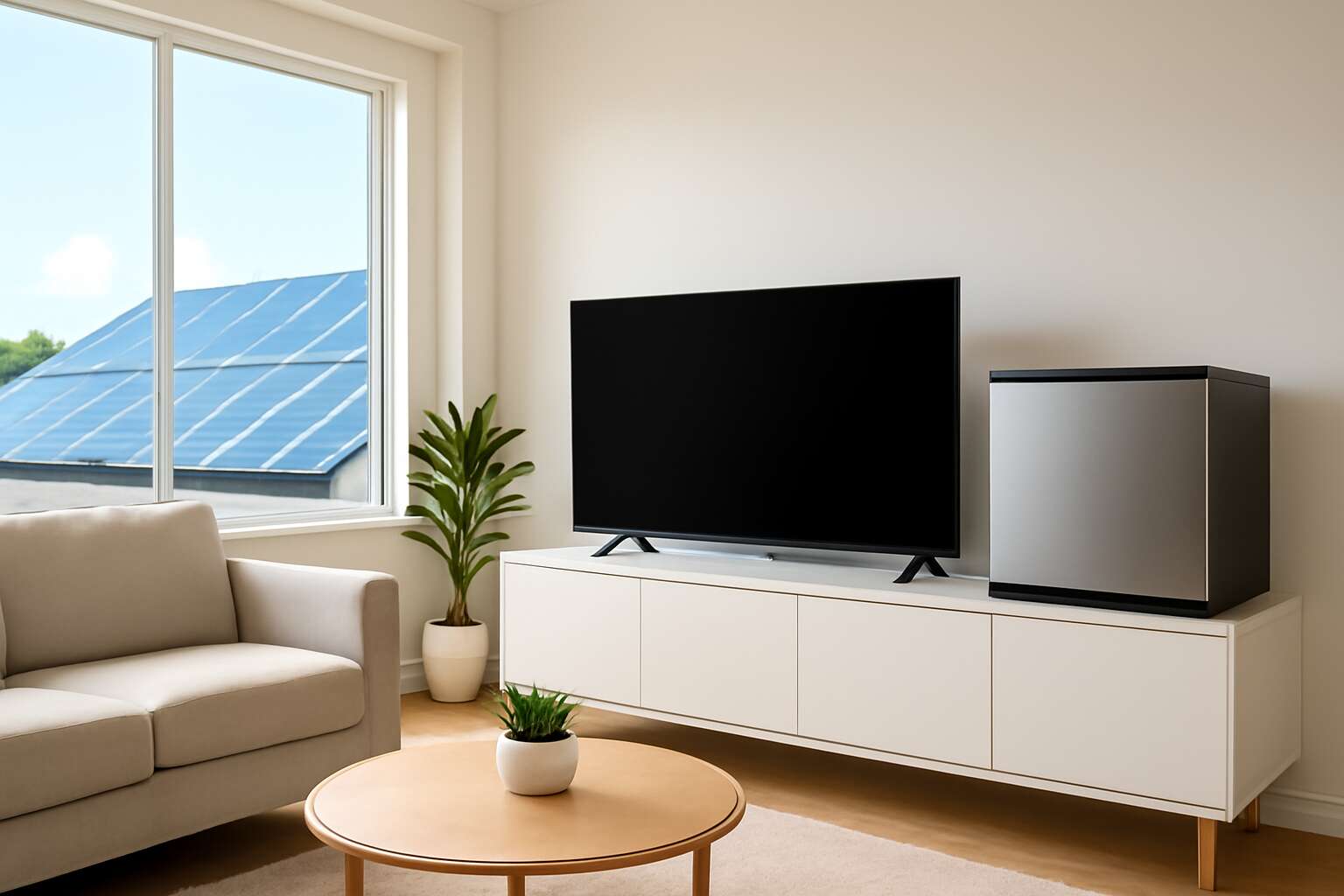
Power reliability is the new luxury in South Africa’s living rooms, where a solar panel for tv and fridge can keep the screen glowing and the fridge humming when the grid hiccups. A bright idea becomes practical when energy habits align with daylight—the moment you realize sunlight can do more than light a room, it can buffer your evening entertainment. What a difference a steadier current makes, turning downtime into something smoother and unexpectedly cinematic.
- Monocrystalline panels offer high efficiency and a sleek footprint, ideal for tight spaces.
- Polycrystalline panels strike a balance between cost and performance, great for larger roof areas.
- Thin-film panels are flexible, lightweight, and can adapt to curved surfaces, though with lower output.
That balance of light and load defines a new era of home entertainment, where conversation and cinema stay constants rather than casualties of outages.
How solar panels power low-wattage appliances
In South Africa, around 70% of households face regular outages, turning living rooms into tiny resilience laboratories. That backdrop makes solar for home entertainment a steadying force, not a luxury.
A solar panel for tv and fridge can channel daylight into a small, reliable current that keeps a screen alive and a fridge humming. It translates bright mornings into uninterrupted evenings, where scenes shift from glare to glow without the hustle of a dead battery.
These quiet powers are kinder to budgets and landscapes alike, turning daylight into a dependable backbone for routine rituals—late-night sports, streaming, or keeping essentials cold even when mains fail.
In the rhythm of a rural evening, power steadiness writes its own story.
Key terminology you should know
In South Africa, 70% of households face regular outages, turning evenings into a test of resilience. Understanding solar panel for tv and fridge terminology can turn a dim room into a steady sanctuary, where a screen glows and cold preserves stay within reach.
Key terms act like a map, guiding choices without an arena of jargon. Consider these essentials:
- Watt-hour (Wh) and wattage (W)
- Voltage (V) and current (A)
- MPPT (maximum power point tracking) and inverter efficiency
- Battery capacity (Ah) and depth of discharge
When aligning a setup for a solar panel for tv and fridge, expect to balance sun hours with device duty cycles, ensuring steady performance through evenings and outages.
Pros and cons of different panel types
In South Africa, 70% of households face regular outages, turning evenings into a test of resilience. Understanding solar panels for home entertainment helps turn a dim room into a steady sanctuary where a screen glows and cold preserves stay within reach. A practical solar panel for tv and fridge setup can keep the home buzzing with light and life when the grid goes quiet.
- Monocrystalline: High efficiency and strong performance in limited sun, but higher cost.
- Polycrystalline: More affordable with solid performance; requires more space.
- Thin-film: Flexible and lightweight, handles heat well but may have a shorter lifespan.
These trade-offs shape how reliably a home can watch shows and keep perishables cold as daylight fades. The right mix helps evenings stay calm, even when the grid falters.
Sizing and Power Planning for a TV and Fridge Setup
Estimating energy consumption of a TV and fridge
Power outages are a daily reality in many South African homes, and sizing a solar panel for tv and fridge isn’t just math—it’s a statement about staying connected when the grid stutters!
To size properly, estimate daily energy use: take the fridge’s typical duty cycle and the TV’s viewing hours, convert to kilowatt-hours, then add a safety margin for inverter losses and battery depth of discharge. I’ve tested these numbers in Cape Town’s sun and they hold up surprisingly well.
- Fridge daily energy use (kWh)
- TV daily energy use (kWh)
- System losses and battery reserve
The numbers inform system sizing.
Calculating panel wattage and array size
South Africa endures unpredictable power, and every outage is a reminder of what it means to stay connected. In Cape Town, a well-sized solar panel for tv and fridge can keep essentials humming while the grid stutters, turning silence into a window of resilience.
- Daily energy baseline for the TV and fridge and seasonal variations
- Expected sun hours for your location and season in SA
- Inverter efficiency and battery DoD margins
- Allowance for system losses and future expansion needs
This approach frames sizing and power planning as a cohesive story, balancing rooftop exposure with practical constraints and the sun’s stubborn generosity.
Battery and inverter sizing considerations
Outages are part of daily life in many SA towns, but a well-sized system writes a different script. The solar panel for tv and fridge becomes a quiet conductor, turning flickers into a steady glow and letting essentials endure the lull.
Sizing and power planning weave together daily energy baselines, sun hours, inverter efficiency, and DoD margins. I see this as a quiet conversation with the sun—balance enough capacity to sustain a TV and fridge during the long SA afternoons without oversizing the roof.
- Battery capacity aligned with DoD tolerance
- Inverter efficiency and surge handling
- Anticipated system losses and future expansion
The narrative ends with resilience, as the solar panel for tv and fridge becomes more than equipment—it is a quiet pledge to keep the home lit and the moments intact.
Accounting for system losses and weather patterns
Sunlight is the most trustworthy bill payer, a punchy line our team loves for SA homes where outages crash the party. A solar panel for tv and fridge isn’t about flashy wattage—it’s about quiet reliability that keeps the TV steady and the fridge content during scorching afternoons.
Sizing and power planning weave daily energy baselines with sun hours and real-world losses. Factor in weather patterns—clouds rolling in, seasonal sun angles, and temperature swings—so the system breathes rather than groans. The aim is balance: enough capacity to ride the lull without turning the roof into a conservatory full of hardware.
Consider these weather-pattern factors that shape sizing decisions:
- Variable sun hours by season across SA
- Cloud cover and shading from nearby trees or roofs
- Ambient temperatures that affect performance of electronics
Ultimately, this solar panel for tv and fridge becomes resilience—more than equipment, a quiet pledge to keep the home lit and the moments intact.
On-grid vs off-grid versus hybrid configurations
Outages have become almost a local tradition in South Africa, turning the couch into a listening post for the hum of the grid. A well-considered sizing and power plan is less about bragging wattage and more about quiet assurances for the TV and fridge.
When deciding on an on-grid, off-grid, or hybrid configuration, think of the backbone: grid dependence, storage needs, and back-up tolerance. On-grid relies on the utility with limited battery headroom; off-grid stands alone with bigger reserves; hybrid blends both worlds for steady performance.
Configuration options at a glance:
- On-grid: light on the wallet, heavy on grid reliance, with modest storage.
- Off-grid: independence, larger battery bank, and more planning around sun hours.
- Hybrid: balanced, uses battery to smooth weather-induced dips while remaining grid-connected.
The result is a solar panel for tv and fridge that stays calm when the temp climbs and the day clouding breaks the plan—an everyday resilience rather than a spectacle.
System Configuration and Components
Choosing a solar panel setup for TV and fridge use cases
South Africa’s blackout cycles have turned quiet standby into a strategic sport. When you’re wiring up a solar panel for tv and fridge, the goal is reliability, not drama. The right system configuration blends a modest solar input with a capable energy buffer, so your screen stays bright and the fridge stays chilly, rain or shine.
Key components to align for a smooth solar deck are:
- Solar panels sized to your TV and fridge load
- MPPT charge controller for efficient charging
- Battery bank with suitable depth of discharge
- Pure-sine inverter to protect electronics
In South Africa, the sun is generous, and the relationship between panel, controller, and storage quietly powers your essentials that matter—the solar panel for tv and fridge setup, tuned to resilience as the weather does its dance. And that balance defines performance more than any glossy spec sheet.
Inverters, MPPT controllers, and charge controllers
South Africa’s outages have turned quiet standby into a strategic asset. As one local installer puts it, “Reliability is the new luxury.” That mindset shapes a solar panel for tv and fridge setup, aiming for a calm, steady feed that keeps a screen bright and the fridge cool, rain or shine.
That reliability hinges on a clean system configuration: an efficient MPPT charge controller, a battery bank sized for your DoD, and a pure-sine inverter that protects electronics. The right mix reduces flicker and extends runtime through the next outage, without drama.
Key components to align for a smooth solar deck:
- Inverter: continuous wattage above the load plus surge capacity
- MPPT controller: high efficiency and an appropriate voltage range for your array
- Battery bank: a suitable depth of discharge and cycle life
- Charge controller: properly sized to match the solar array and regulator type for a solar panel for tv and fridge setup
Wiring, fusing, and safety basics
In outage-prone South Africa, a calm, steady feed is your best ally. A well-wired system begins with discipline: clean connections, correct polarity, and a solid solar panel for tv and fridge that stays quiet when the mains fail.
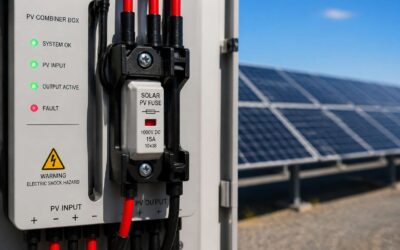
System configuration hinges on tidy cabling, a sensible fuse strategy, and solid grounding. Keep runs short, use appropriate cable sizes, and plan for easy isolation so a fault won’t ripple through the whole setup. Safety and accessibility stay top of mind.
- Consider a fuse strategy that protects circuits without over-fusing.
- Include a DC disconnect in an accessible location to allow safe isolation.
- Use appropriate wire gauges and keep cables protected from heat, abrasion, and moisture.
- Ensure enclosures are rated and clearly labeled to support safe operation.
With these basics in place, that solar panel for tv and fridge keeps the lights on and the screen bright through the next outage!
Battery storage options for household appliances
Power resilience is more than a luxury—it’s a daily expectation in South Africa, where outages interrupt life with surprising regularity. A calm, steady feed from a well-chosen configuration keeps a solar panel for tv and fridge humming when the mains winks out. In this realm, battery storage options define the tempo of your evenings and mornings.
Battery storage options for household appliances include:
- Lithium iron phosphate (LiFePO4): light, long-lasting, efficient, but higher upfront cost
- AGM lead-acid: rugged and affordable, good for medium cycles
- Gel lead-acid: sealed and maintenance-free, stable in varied temperatures
- Flooded lead-acid: cheapest upfront, requires watering and ventilation
Choosing the right mix supports a cohesive system configuration where inverters, charge controllers, and weather-aware sizing align to serve a compact kitchen, TV, and fridge whenever the grid stumbles. This harmony makes a solar panel for tv and fridge more than a backup; it’s a trusted partner for daily routines.
Mounting, orientation, and shading considerations
System configuration and its companion components dictate how reliably a solar panel for tv and fridge delivers when the grid falters. The South African sun rewards a thoughtful mounting plan—balancing wind load, roof type, and the sun’s daily arc. We know orientation matters; a tilt tuned to your latitude helps steady a consistent feed that keeps the TV bright and the fridge humming when mains waver.
- Mounting orientation that follows the sun’s path for maximum exposure
- Tilt and azimuth settings to suit your latitude
- Shading minimization by clearing obstructions and trimming nearby foliage
With a cohesive setup, cables, inverters, and mounts align to disappear into the background, ensuring the solar panel for tv and fridge remains a quiet partner for daily routines.
Costs, ROI, and Maintenance
Initial cost, financing, and subsidies
Outages are reshaping how households power essentials. A compact solar panel for tv and fridge can keep those critical appliances running when the grid drops. Upfront costs vary with panel quality, inverter needs, and whether you add battery storage. In South Africa, financing options and subsidies can ease the investment and boost resilience.
Cost components to consider:
- Upfront hardware and installation
- Financing costs and terms
- Subsidies or rebates where available
ROI comes from lower monthly electricity bills and better outage resilience, and it varies with usage. For a small setup powering a TV and fridge, the payback period is usually several years, depending on tariffs and how often you rely on solar. Maintenance is straightforward: occasional panel cleaning, monitoring battery health, and checking connections. A solar panel for tv and fridge can stay efficient with simple care.
Maintenance routines and panel cleaning tips
Outages reshape how households power essentials, and a compact setup offers a quiet shield against the grid’s mood. Upfront hardware and installation set the pace, with financing terms and subsidies in South Africa softening the investment and boosting resilience.
ROI appears as lower bills and steadier outages. A solar panel for tv and fridge powering essential devices can push the payback to several years, depending on tariffs and how often you lean on solar instead of the mains. The more you rely on self-sufficiency, the more valuable the investment becomes.
Maintenance is simple: check connections, monitor battery health, and keep panels clean. To stay efficient, consider these routine touches:
- Dust and debris removal from panels
- Gentle cleaning with a damp microfiber cloth
- Inspect wiring and fuses for wear
Warranty coverage and expected lifespan
Sunlight is the quiet accountant of the home, tallying savings where outages rage. In South Africa, financing options and subsidies soften the upfront cost, letting a solar panel for tv and fridge shield essential devices when mains falter.
ROI hinges on tariffs and self-consumption; lower bills and steadier outages compound over time. When usage leans on solar rather than the mains, payback can stretch into a few years rather than decades.
Maintenance is simple and warranties are sturdy. Typical lifespans: panels last 25–30 years; inverters 10–15; batteries 5–10 (if included).
- Panel warranty: up to 25 years performance guarantee
- Inverter warranty: 10–15 years
- Battery storage warranty: 5–10 years (where included)
- Overall lifespan: PV panels typically 25–30 years; electronics may outlive the battery
Energy savings, payback period, and ROI
In South Africa, outages push household energy costs up 10–20% each year—a sharp statistic that gnaws wallets. A solar panel for tv and fridge turns that volatility into reliable, sun-powered calm.
Costs are softened by financing options and subsidies, easing the upfront price. Incentives make the initial outlay feel manageable.
ROI hinges on tariffs and self-consumption; higher on-site use yields bigger savings and a shorter payback. When daytime use dominates, the payback can be measured in years rather than decades.
Maintenance is simple and warranties sturdy, so the sun keeps telling your home’s story for decades.
- Panel warranty up to 25 years
- Inverter warranty 10–15 years
- Battery storage warranty 5–10 years (where included)
Climate impact on performance and how to mitigate
South Africa’s outages gnaw at wallets—costs climb 10–20% yearly. A solar panel for tv and fridge can convert that volatility into steady, sun-powered calm.
Costs can be softened by financing and subsidies; the ROI improves with higher on-site use and favorable tariffs. The payback shortens when daytime loads dominate.
Maintenance is minimal; warranties are sturdy. Climate impact—heat, clouds, humidity—can trim output. Mitigate with optimal orientation, regular cleaning, and smart storage that steadies supply.
Key mitigation steps:
- Orient and tilt panels for peak sun
- Use optimizers or microinverters to handle shade
- Keep panels clean to reduce soiling losses
- Pair with battery storage to balance day and night demand
Installation Scenarios and Best Practices
Temporary setups for camping or off-grid events
Across South Africa, outages have become a daily reality, turning off-grid moments into practical essentials. A solar panel for tv and fridge can keep entertainment and cold drinks flowing when the grid fails, making camping or pop-up events surprisingly comfortable. “Power isn’t a luxury—it’s a baseline,” echoes through seasoned campers.
For temporary setups, these best practices maximize uptime and safety:
- Face peak sun, tilt toward the north in SA, and adjust with the season.
- Use a light, portable stand to keep panels dry and dust-free.
- Keep cables short, weatherproof, and taped where wind could whip them.
- Time loads so the TV and fridge run during daylight to cut losses.
Stow equipment in dry bags, track sun progression, and adapt as shade moves; simple, reliable steps ensure a solar panel for tv and fridge delivers steady performance at outdoor venues.
Permanent home installation considerations
Outages are a daily reality across SA, turning a steady power supply into a prized comfort. A solar panel for tv and fridge keeps entertainment and cold drinks flowing when the grid falters, making home life more predictable.
For a permanent home installation, placement and integration matter as much as wattage. Consider roof orientation, mounting hardware, and how the system ties into the main inverter and storage. This configuration can blend with the home’s aesthetics while delivering reliable daytime energy for essential appliances.
- Aesthetics and roof health
- Electrical safety and local compliance
- System monitoring and serviceability
In South Africa, a thoughtfully planned setup keeps daily rituals intact and reduces grid dependence, even as weather shifts.
Portable solar panels for appliances on the go
Daily outages have become a heartbeat of life in SA, turning dependable power into a prized luxury. Portable solar panels for appliances on the go offer a graceful, flexible response, letting a TV and a fridge keep their rhythm even when the grid stumbles.
Here are best practices that feel practical and safe:
- Opt for folding, lightweight panels that deploy in minutes.
- Pair with a portable power station for steady running of TVs and fridges.
- Position for optimal sun: aim 30–40 degrees and shade-free exposure.
For a discreet, traveler-friendly setup, I’ve learned that a compact, modular design is key. A solar panel for tv and fridge can be deployed on a car roof, camp table, or caravan awning, catching sun where it shines.
In SA, flexibility and safety keep routines intact as weather shifts.
Safety standards and professional installation tips
South Africa’s power outages have become a daily drumbeat, turning reliable electricity into a scarce luxury. A well-situated solar panel for tv and fridge keeps essential appliances humming even when the grid coughs, marrying portability with safety and performance under our sunlit skies.
Installation scenarios that fit our climate and vibe include car roofs, caravan awnings, or camp tables—spots where sun is abundant and setup needs to be quick. Consider these practical placements:
- Car roof mount for on-the-road setups
- Caravan awning or camp-side rack
- Camp table or portable platform on sunny ground
These options preserve discreteness while keeping essential appliances powered wherever travel takes you. For safety, professional installation tips emphasize licensed installers, certified components, weatherproof enclosures, proper fusing and disconnects, and adherence to local codes. Regular checks and tidy cable management help the system endure SA’s changing weather.
Future-proofing your solar setup for TV and fridge
South Africa’s daily power outages have rewritten comfort into a portable luxury, and a solar panel for tv and fridge keeps essential appliances humming under the sun’s watchful eye. Imagine sunlit surfaces poised for rapid deployment, discreet enough to blend with your surroundings, and powerful enough to wake a fridge and a TV with a single beam of daylight. It’s energy that travels with you—reliable, quiet, and wonderfully tangible when the grid goes quiet.
Future-proofing means choosing modular, upgradeable systems that grow with your needs. Prioritise weatherproof enclosures, durable fittings, and scalable storage so today’s setup can bloom into tomorrow’s comfort. A solar panel for tv and fridge thrives when its architecture invites expansion and graceful maintenance, keeping your home-on-the-go ready for whatever the sun delivers.


0 Comments