Understanding solar panels for small appliance lighting and entertainment
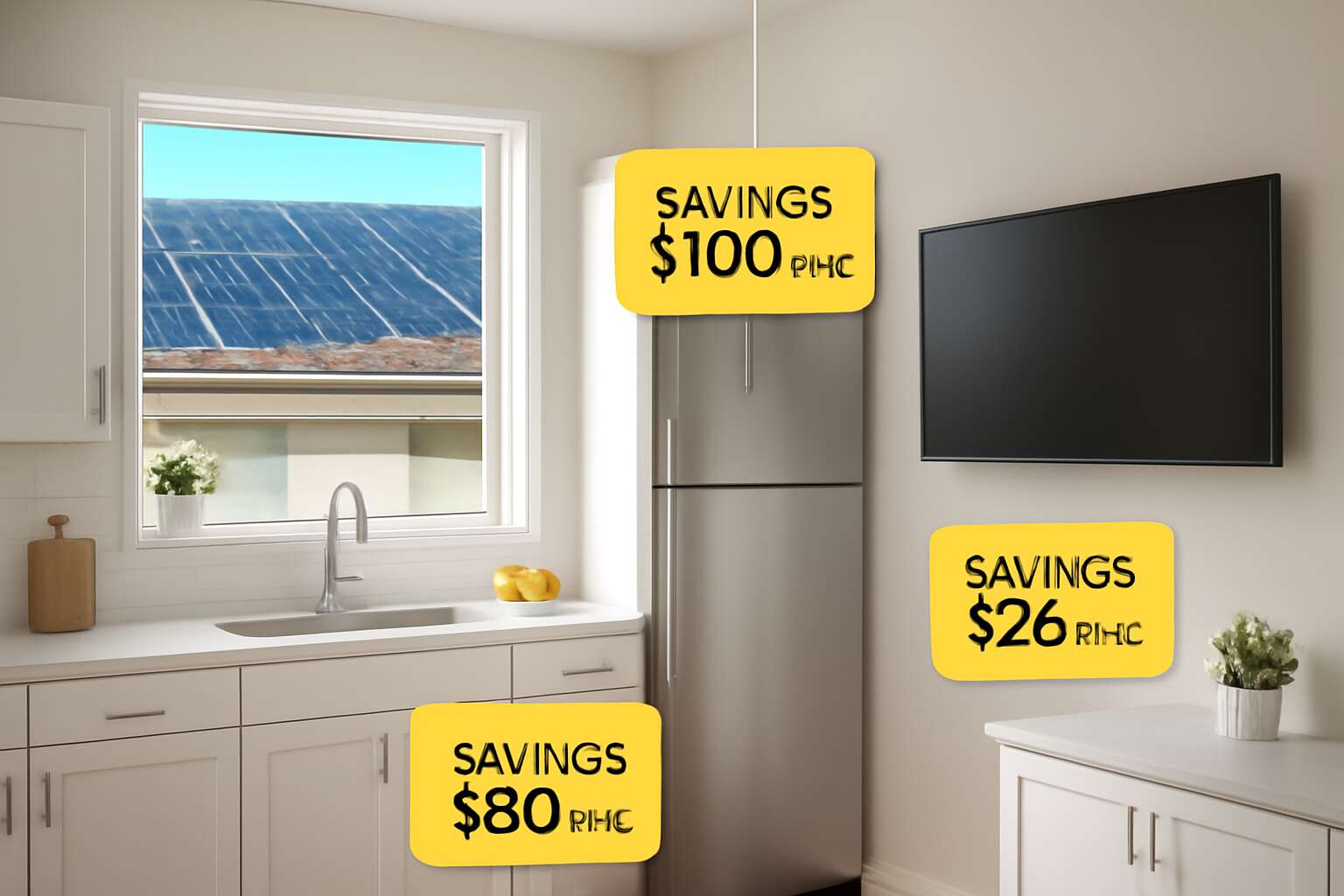
How solar panels power refrigerators with interior lights and TVs
From shadowed rooftops to the hum of inverters, a South African dusk is a stage for resilience. “Light prevails where the sun shines,” a technician once whispered, and that truth comforts kitchens when the grid dims and the night lingers.
Understanding solar panels for small appliance lighting and entertainment reveals how a single panel can feed interior fridge lights and a TV during outages. The conversation extends to cost: solar panel for fridge lights and tv price shapes decisions for households across SA.
- Compact efficiency for low-watt draws that keep fridges and displays bright
- Rugged design to withstand coastal humidity and heat
- Simple maintenance and clear safety guidelines for households
Power travels from sunlit panels to battery banks, then to interior fridge lights and a TV, a quiet corridor of modern ritual. In SA markets, these systems are framed by pricing, warranties, and the promise that daylight may outlive the blackout.
Key electrical demands of fridge lights and TVs
South African dusk is a stage for resilience. “Light prevails where the sun shines,” a technician once whispered, and that truth steadies kitchens when the grid dims. Understanding solar panels for small appliance lighting and entertainment shows how a compact setup can power fridge lights and a TV through outages.
- Fridge interior lights: 0.5–1.5 watts
- TV draw: 40–80 watts
- Startup surge: brief higher draw
- Inverter efficiency matters
From daylight to battery, the current must stay predictable. These key electrical demands shape fridge lights and TVs: steady low-watt draws, brief startup surges, and efficient inverters. In SA, panel quality, storage, and warranties influence value as much as price; solar panel for fridge lights and tv price is a practical budget touchstone.
Choosing panel wattage, panel type, and efficiency
South Africa averages more than 2,000 hours of sunshine each year, a fact that invites practical power solutions. “Light prevails where the sun shines,” a technician once whispered, and that truth travels from rooftop to kitchen when outages loom.
Understanding solar panels for small appliance lighting and entertainment begins with choosing panel wattage, panel type, and efficiency. Consider these factors:
- Wattage matches daytime charging and nighttime use.
- Panel type: mono vs poly for space and efficiency.
- Inverter efficiency, temperature, and warranty coverage.
Panel wattage should align with the draw of fridge lights and a TV during outages. A compact setup benefits from high-efficiency panels and a reliable inverter, with storage and warranties shaping value alongside price. The solar panel for fridge lights and tv price anchors expectations.
In South African markets, sun profiles and after-sales support weigh heavily, keeping performance predictable from daylight into battery use.
Battery storage basics for off-grid lighting and entertainment
South Africa averages more than 2,000 sunshine hours a year, a power calendar begging for practical off-grid solutions. Understanding solar panels for small appliance lighting and entertainment starts with how you store energy. Battery storage needs are simple at heart: store daytime energy for nighttime use, and protect it from heat. As you weigh options, solar panel for fridge lights and tv price becomes part of a larger conversation about longevity, warranties, and return on investment!
Battery storage basics for off-grid lighting and entertainment hinge on reliable energy buffering and sensible sizing.
- Battery chemistry and cycle life (LiFePO4 vs lead-acid)
- Depth of discharge and usable capacity
- Charge controllers and inverter efficiency to minimize losses
Smart choices here keep outages manageable and extend the life of the system.
Sizing and designing an efficient mini solar setup
Estimating daily energy use for lights and a TV
Across South Africa’s sun-drenched rooftops, a tiny solar setup can feel like summoning daylight for the night. Sizing a compact system means hearing the energy your home truly needs, not chasing every gadget’s whim.
Estimating daily energy use for lights and a TV starts with watts times hours, plus a cushion for inefficiencies. LEDs 5–10W; many TVs 60–120W.
To tailor the design, consider these:
- Local sun hours and panel orientation
- Battery capacity and safe discharge
- The solar panel for fridge lights and tv price
With these threads in view, a mini solar setup becomes a steady companion under South Africa’s bright skies, turning quiet panels into pages of light for every room.
Determining panel array size and battery capacity
Smaller solar systems demand a patient gaze at the day’s tempo, not bravura. In SA, the sun writes the score, and the panel must play without fatigue. Determining panel array size and battery capacity means listening to the home’s true demands, then trimming the appetite for extravagance. The idea of solar panel for fridge lights and tv price is less about numbers and more about resilience—how much light you want when midnight falls.
To balance form and function, these threads are weighed:
- Local sun hours and orientation
- Battery depth of discharge and safety margins
- System efficiency and inverter losses
These choices shape longevity and mood, turning a rooftop device into a dependable confidant under South Africa’s bright skies!
Selecting inverters and ensuring compatibility with appliances
Night after night, a tiny solar setup can outpace a blackout. In South Africa, outages are part of the rhythm; sizing and design become a quiet superpower. A well-chosen mini system powers a fridge and a TV as steadfast companions!
- Match the inverter to the fridge’s startup surge to avoid tripping
- Choose a pure sine wave for TVs and other sensitive electronics
- Plan runtime and peak loads, not just running watts
When choosing components, consider layout, wiring, and safety margins. The solar panel for fridge lights and tv price becomes a budgeting compass that keeps the design lean and reliable.
Charge controllers and wiring for optimal efficiency
The true luxury of power is predictability. In South Africa, outages choreograph our days, and sizing becomes a quiet superpower. A compact setup that runs a fridge and a TV deserves intention—the rhythm of charge controllers and wiring turning sun into steady, gentle energy. When I weigh the solar panel for fridge lights and tv price against reliability, the numbers soften into poetry, and the room feels suddenly larger, calmer, resilient.
Key considerations for charge controllers and wiring include balance, protection, and future-proofing.
- MPPT controllers honor the sun’s full rhythm, boosting daytime efficiency.
- Wiring treated with care and protected terminations cut losses and hazards.
- Intentional fusing and grounding safeguard hardware and peace of mind.
With that careful scaffolding, the mini solar setup becomes a steadfast companion!
Safety and code considerations for small off-grid systems
“The sun doesn’t bill you at sundown,” a seasoned South African installer likes to joke, and that punchy truth anchors our mini solar designs. Sizing an efficient setup is less a fantasy of wattage and more a discipline of balance—aligning fridge and TV demand with the sun’s daily rhythm. It’s about quiet reliability, with a hint of future-proofing that lets you grow as demand and daylight cooperate.
- Adhere to South African electrical standards and municipal bylaws
- Arrange for professional assessment and certification to verify safety
- Keep clear labeling and documentation for future maintenance
For many buyers, the question surfaces: solar panel for fridge lights and tv price, and is it worth the peace of mind? In SA, the sun is a patient investor, rewarding careful design with steadier performance and fewer midnight surprises.
Cost, pricing, and value of compact solar solutions
Current price ranges for small solar panels and kits
Power outages have become South Africa’s unofficial fifth season, and compact solar setups are the rain jackets you wear when the lights blink. When people ask about the solar panel for fridge lights and tv price, the ranges fall into three baskets: basic panels from about R900 to R2,500, mid-range kits around R2,500 to R4,500, and plug‑and‑play kits with storage topping R4,500 to R5,500.
What drives those price bands? Here are the levers that swing the sticker price:
- Panel wattage and efficiency determine cost per watt.
- Battery capacity and inverter quality influence kit pricing.
- Brand, warranty, and included accessories can add or shave hundreds of rand.
Beyond the sticker, compact solar solutions offer value in reliability and long-term savings. A modest setup shields your fridge and a small TV from outages, reduces daily running costs, and improves energy resilience in a country where outages still occur with alarming regularity.
Battery and inverter costs for off-grid living rooms and kitchens
In South Africa, outages are a stubborn daily ritual, and compact solar setups act as a reliable corner of electric comfort for the fridge and a small TV. When shoppers ask about the solar panel for fridge lights and tv price, they’re really weighing durability, not just sticker shock.
Costs hinge on a few levers that swing the sticker price:
- Battery capacity and chemistry determine daily run-time and long-term life.
- Inverter quality and type dictate clean power for sensitive appliances.
- Brand, warranty, and included accessories can add or shave hundreds of rand.
Beyond the price, the value is in resilience and savings. A modest setup protects the fridge and a TV, trims daily running costs, and cushions households from outages. In the long arc of energy independence, compact solar doesn’t just light a room—it steadies a life.
Installation, maintenance, and warranty considerations
South Africa’s outages have become a stubborn daily ritual, and a small solar setup keeps the fridge humming and the TV glowing with quiet resilience. The solar panel for fridge lights and tv price isn’t just a sticker—it signals durability, reliability, and long-term value. Costs hinge on battery capacity, inverter quality, and brand, with rand variations depending on kit size and the warranty on offer.
Beyond price, the real value shows in installation quality, maintenance ease, and warranty coverage. A solid setup cuts daily running costs and cushions households from outages. Here are practical considerations: In the field, I’ve seen how a careful installation under a shaded eave keeps a fridge running through outages.
- Installation readiness: space, cabling, permits
- Maintenance cadence: checks and battery health
- Warranty scope: duration and service network
When these elements align, compact solar becomes more than light—it becomes a dependable heartbeat for homes across South Africa.
Cost comparison: solar vs portable power stations for fridge lights and TV
Cost, pricing, and value unfold differently when a country powers through daily outages. A compact solar setup to run fridge lights and a TV can trim daily bills while offering quiet resilience. This is where solar panel for fridge lights and tv price becomes a foothold for energy independence, especially amid rand volatility and shifting tariffs.
Here are quick factors that shape the price and the value:
- Upfront kit cost versus portable power stations and the long-term savings
- Running costs, efficiency, and replacement cycles
- South Africa-wide service and support networks
Beyond price, the value lies in resilience and ease for households facing outages. Compared with portable power stations, a well-sized solar array and battery bank offer steadier support for fridge and TV, with less clutter and fewer recharge cycles, turning rand-based expenses into predictable energy savings.
Ways to maximize ROI with energy-efficient appliances
Resilience isn’t optional when outages thread daily life in South Africa. Compact solar setups turn uncertainty into predictability, trimming daily bills while humming quietly in the background. The conversation around costs often starts with upfront versus long-term savings, but the real value is steady power for the fridge and TV during outages.
Ways to maximize ROI with energy-efficient appliances include:
- Choose appliances with top energy ratings and LED lighting to reduce draw.
- Match fridge size and TV standby modes to the solar budget and storage capacity.
- Schedule charging and use during daylight to minimize battery cycling.
For South African households, price is a moving target influenced by rand volatility and service networks nationwide. When considering solar panel for fridge lights and tv price, buyers weigh kit quality, warranty, and local support against lingering grid outages and tariff shifts.
Practical setup, troubleshooting, and optimization
Step-by-step setup for a compact kitchen or living area
South Africa’s load-shedding reality has turned kitchens into makeshift power labs. For a compact setup, the solar panel for fridge lights and tv price is only part of the equation—reliability, heat management, and quiet operation matter just as much.
Practical setup balances space and sun: mount a slim panel where daylight actually lands, pair it with a compact inverter, and tuck cables away so the dining nook stays chic rather than chaotic.
- Evaluate sun exposure and available space for the panel.
- Match system size to typical fridge-light and TV standby demands.
- Plan clean cabling and ventilation to prevent heat buildup.
Troubleshooting and optimization come down to a steady rhythm: monitor energy use, inspect connections, and keep components cool so shadows and flickers stay at bay.
Monitoring, apps, and performance tracking
Practical setup balances space and sun: mount a slim panel where daylight lands, pair it with a compact inverter, and tuck cables away so the dining nook stays chic rather than chaotic, a reality in SA homes.
- Sun exposure assessment and space mapping
- Matching panel to fridge-light and TV standby draw
- Ventilation and tidy cabling to prevent heat buildup
Troubleshooting and optimization come down to a steady rhythm: monitor energy use, inspect connections, and keep components cool so shadows and flickers stay at bay.
- Regular checks of all connections
- Adequate airflow around power components
Monitoring, apps, and performance tracking for the system—use smartphone dashboards to watch panel output, battery health, and inverter load, translating numbers into practical decisions. When weighing solar panel for fridge lights and tv price, data beats guesswork.
Maintenance tips to extend battery life and panel performance
Practical setup begins with daylight choreography: mount a slim panel where the sun lands, route cables to a compact inverter, and tuck the hardware behind a cabinet so the dining nook stays chic. For SA homes facing load shedding, the solar panel for fridge lights and tv price becomes a pragmatic compass—balancing upfront cost with reliability.
Troubleshooting hinges on rhythm: monitor energy use with a simple dashboard, inspect connections, and keep components cool to prevent shadows and flickers.
Maintenance wisdom to extend battery life and panel performance: balance charging rhythms, avoid deep discharges, and let the controller rebalance at dawn. When weighing ongoing value, the solar panel for fridge lights and tv price becomes a narrative of resilience.
Tips to maximize efficiency and reduce standby losses
Practical setup begins where daylight meets your space. Mount the slim panel where sun lands most, route cables to a compact inverter, and tuck the hardware behind a cabinet so the dining nook stays chic and calm!
Troubleshooting follows a gentle rhythm: watch a simple energy dashboard for flickers, recheck connections when issues arise, and keep components cool to prevent shadows that steal performance.
Optimization tips invite a mindful balance of power and price. The solar panel for fridge lights and tv price is a moving target, but durability and reliability often win more than upfront cost in SA homes.
- Balanced charging rhythms aligned with daylight patterns
- Minimize standby draw through smart load management
- Let the controller rebalance at dawn to reset energy without waste


0 Comments