Understanding compact solar panels and their use cases
What defines a compact solar panel
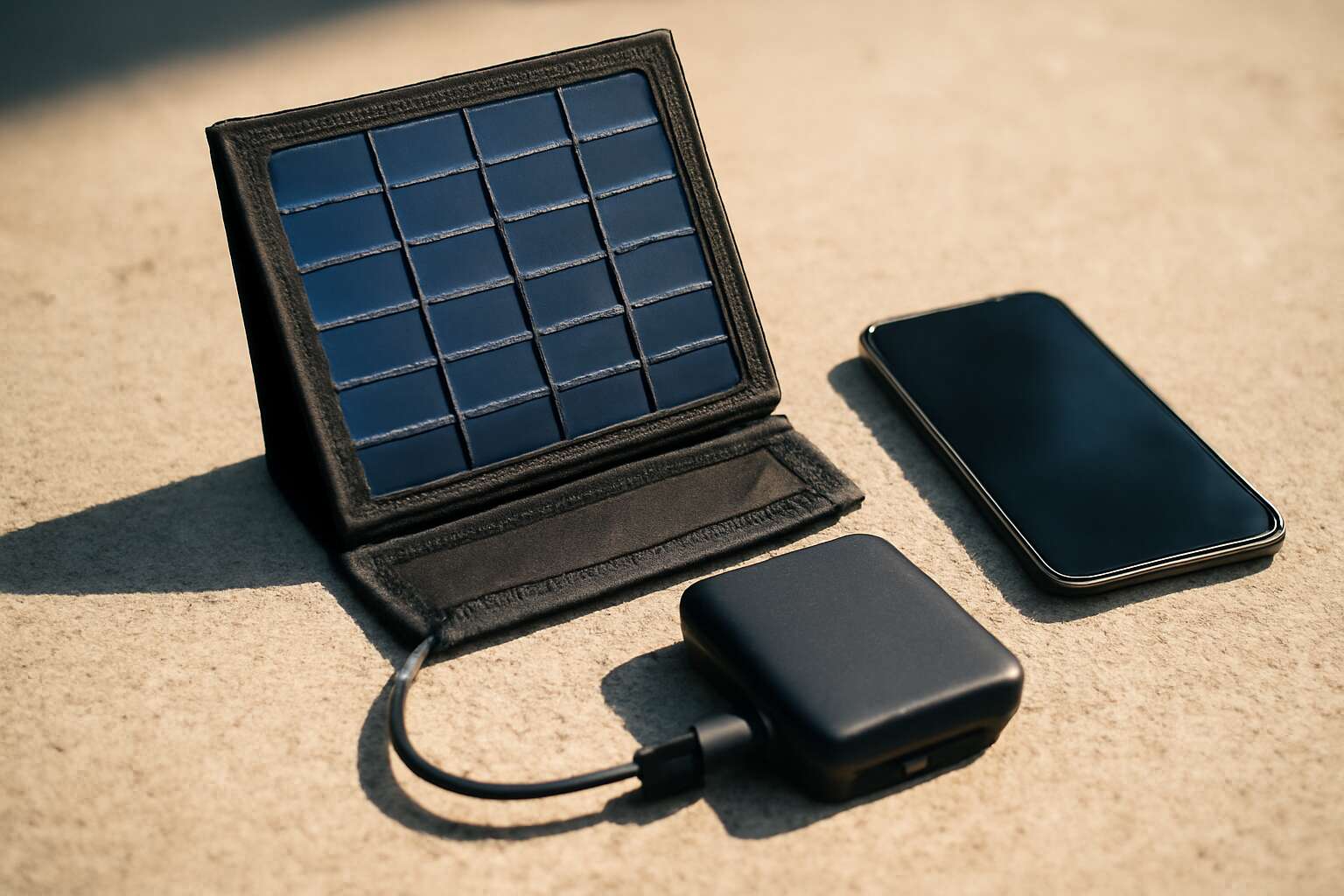
Energy interruptions are a familiar rhythm in South Africa, and a tiny power ally can shift the beat. A mini solar panel is defined by portability, durability, and surprisingly solid output for its size—often just a few watts that can recharge a phone, a light, or a small speaker during daylight. This is understanding compact solar panels in practical terms: size and weight matter, but versatility matters more.
Common use cases include:
- Emergency lighting during load-shedding.
- Charging phones, tablets, radios, and GPS devices on the go.
- Powering small security cameras or LED lanterns for rural properties.
- Supporting off-grid camping, caravans, or tiny homes with portable power.
Feature considerations include weatherproof casings, built-in charge controllers, and connectors compatible with USB-C or standard panels. Even a compact mini solar panel can simplify power planning in homes and on rural plots; for South African households, these details determine reliability and ease of use.
Common use cases for portable solar power
In South Africa, daylight is the unspent coin in the purse of every household, while the night keeps its own budget of silence. A mini solar panel converts that daylight into stubborn, portable power—small in size, mighty in reach—and it refuses to surrender when the grid yawns.
Understanding compact solar panels means seeing resilience in miniature form: a device that slips into a bag, behaves like a quiet sentinel, and greets the sun with patient, unyielding grace. A mini solar panel is not a gimmick; it’s an ally built to endure sand, rain, and dust, coaxing life from daylight long after others have tired.
- Remote lighting for sheds and outbuildings when outages press in.
- Charging phones, tablets, and GPS on road trips and rural visits.
- Back-up power for cameras and lanterns during fieldwork or camping.
Comparing compact vs standard solar panels
South Africa’s sun isn’t a heat haze—it’s a relentless reservoir of power waiting to be captured. A mini solar panel turns that daylight into stubborn, portable energy, small enough to slip into a bag yet mighty enough to charge essentials on the move. It’s not a gimmick; it’s a quiet pledge to stay powered when the grid yawns and outages become a daily chorus.
Compared with standard panels, compact designs trade some wattage for extraordinary versatility. They excel in tight spaces, fieldwork, and remote stays where the larger rigid panel would be a burden. Consider this quick snapshot:
- Portability and instant setup
- Durability against sand, rain, and dust
- Lower weight and storage footprint
In this balance of size and stamina, the mini solar panel redefines portable power for South African terrain and travel.
Mobility and space-saving benefits
South Africa basks in a sun-soaked continuum, where daylight is a resource you can pocket. A mini solar panel is more than a gadget—it’s portable resilience, a compact engine that turns light into usable energy. Understanding compact solar panels means seeing how size and output align for tight spaces, quick setups, and rugged reliability. Use cases emerge where every centimeter counts!
- Urban balconies and compact apartments
- Remote fieldwork and wildlife photography
- Camping, boating, and day trips off the grid
Mobility and space-saving benefits become more than convenience; they redefine where power can live in your day. A compact design travels light, resists sand, rain, and dust, and disappears into a bag until needed. The right panel doesn’t demand permission from your plans—it simply returns power when the grid yawns.
Key specifications and how to choose a small solar panel
Wattage and output considerations
In South Africa, the sun is a patient ally, turning light into power with elegance. A mini solar panel on a balcony or campsite quietly sustains essentials, proving small footprints can yield meaningful energy when daylight is abundant.
Key specifications steer what a tiny panel can deliver. Wattage, voltage, and efficiency shape compatibility with batteries and devices. For quick reference, consider:
- Wattage rating (W)
- Voc and Vmp (voltage metrics)
- Efficiency and temperature tolerance
For a mini solar panel, match wattage and voltage to your battery or gadget.
Choosing wattage and output means translating daily energy needs into watt-hours, and I weigh South Africa’s sun hours. More output matters for larger batteries or multiple gadgets; shading, angle, and temperature all tilt the results. The mini solar panel remains a compact, powerful presence.
Efficiency and cell technology explained
In the dance between sun and glass, I see how a mini solar panel yields quiet power with elegance. Key specifications—wattage rating, Voc and Vmp, efficiency and temperature tolerance—shape what it can sustain on a balcony or campsite, from a phone to a small battery bank.
For quick reference, consider:
- Wattage rating (W)
- Voc and Vmp (voltage metrics)
- Efficiency and temperature tolerance
Choosing a compact solar option means translating daily needs into watt-hours and weighing South Africa’s sun hours. Match wattage and voltage to your battery or gadget; cell technology—mono- or polycrystalline—explains efficiency, and fluctuating light favors higher efficiency cells. The tiny panel remains a powerful presence, quietly turning daylight into energy.
Size, weight, and portability factors
Sunlight is a currency in South Africa, and a mini solar panel can turn a day into charged essentials. The key specs to guide your pick are the wattage rating, Voc and Vmp, efficiency, and temperature tolerance. These numbers shape whether the panel can top up a phone on a balcony or keep a small power bank alive on trips.
To choose wisely, translate daily needs into energy in watt-hours and weigh size, weight, and portability. A compact panel should slip into a bag or boot without drama. Consider the flow of power:
- Size and weight – how it travels with you
- Portability features – folding, kickstands, mounting options
- Durability – weather sealing and rugged connectors
Pairing the right footprint with your balcony or campsite balances practical need with a touch of wanderlust. On sunny days, a mini solar panel quietly collects daylight for phones and cameras.
Durability ratings and weather resistance
Durability isn’t a bolt-from-the-blue feature; it’s woven into every seal, frame, and junction of a mini solar panel. When you weigh specs, temperature tolerance, weather sealing, and rugged connectors matter as much as Voc and Vmp. In South Africa’s sun-burnished days and sudden gusts, a panel’s resilience to heat, cold, and dust can determine whether it tops up a phone or watches the season sprint by. Seek an IP rating, sturdy tempered glass, and corrosion-resistant framing. The best compact panels promise UV resistance and reliable cabling, even after daily balcony lounging or rugged campsite use.
Key durability hallmarks include:
- IP rating for water and dust resistance
- Temperature range tolerance
- Rugged, UV-stable cabling and connectors
With these in place, your mini solar panel remains faithful from low sun on a chilly winter morning to blazing midday heat.
Applications and installation tips for portable solar panels
Best surfaces and mounting options
South Africa has some of the highest solar irradiance in the world, turning portable power into practical reality. A well-chosen setup can keep phones, cameras, and lights buzzing through camping trips or sudden outages.
Applications span from remote work sites to caravan holidays and rural farming. A mini solar panel fits in a glove box or backpack and powers essential gear without noise or fuel.
For surfaces, look for flat, stable spots with direct sun. The right mounting options balance portability with airflow to prevent overheating.
- Flat, stable surfaces like tables, boat decks, or vehicle hoods
- Tripod or stand on campsites for sun angles
- Straps or clamps for backpacks or trailers
- Vehicle roof racks for mobile charging on the road
Aim the panel at the sun for best results, and stay mindful of shade and wind.
Setting up for RV, camping, and off-grid use
South Africa’s sun turns portable power into practical reality. With roughly 2,500 hours of sunshine each year, a mini solar panel can keep phones, cameras, and lights humming on RV trips, campsite weekends, or off-grid getaways.
For RVs, camping, and rural use, these units ride along easily and live in a glove box or backpack, offering clean, quiet energy without fuel or noise. They work best when you consider placement and exposure rather than chasing clever gadgets; a mini solar panel makes it simple.
- Sun exposure matters: position for direct light and minimize shading throughout the day
- Ventilation and heat: allow airflow around the panel to prevent overheating
- Security and portability: secure with straps or clamps when moving between spots
In practice, a small, portable setup becomes a steadfast ally as you travel from inland routes to coastal camps, quietly powering essentials wherever you roam.
Charging different devices and battery types
Sunlit South Africa offers a staggering 2,500 hours of bright potential each year, turning a humble pocket charger into a trusty companion. A mini solar panel slips into a glove box and quietly keeps phones, cameras, and lights humming on road trips and off-grid escapes.
Applications? The mini solar panel handles USB devices and several battery chemistries with grace. A simple USB output and regulator cover many needs, from smartphones and action cameras to lanterns and small power banks—whether the packs are Li-ion, LiFePO4, or lead-acid.
- Charge smartphones, cameras, and lanterns via USB-C or USB-A.
- Respect battery chemistry: Li-ion, LiFePO4, or lead-acid with the right regulator.
- Use a compact power bank to buffer energy for cloudy periods.
- Secure cables and mountings; weatherproof connectors for rain or dust.
Installation tips: position for direct sun, minimize shade, ensure ventilation, and secure with straps. Keep cables tidy, and tilt the panel to follow the sun’s arc across inland and coastal skies.
Safety guidelines during installation and use
In South Africa’s sun-drenched routes, a mini solar panel is more than a gadget—it’s a quiet lifeline. It slips into a glove box and quietly keeps phones, cameras, and lanterns humming on road trips and off-grid escapes. A few daylight hours become steady energy, turning a humble panel into a reliable companion when the grid feels distant.
Applications span USB devices and several battery chemistries, guarded by a simple regulator. A compact solar solution can charge smartphones, action cameras, lanterns, and small power banks, whether Li-ion, LiFePO4, or lead-acid. Safety guidelines during installation and use stress gentle handling, protected connectors, and keeping gear dry to avoid hazards in varied South African conditions.
Maintenance tips for longevity
On South Africa’s sun-drenched trails, a mini solar panel is less gadget and more dependable sidekick. It quietly powers smartphones, cameras, and lanterns, turning a few daylight hours into a reliable energy pocket for road trips and off-grid escapes.
Placement matters. Tilt the panel toward the sun for max yield and avoid shade from trees or racks. A simple regulator smooths outputs to USB devices, while robust connectors keep cables drama-free on dusty journeys.
- Secure cables away from feet and gear
- Keep panels clean with a soft cloth and water
- Test with a low-current device before full use
Maintenance tips for longevity: store dry, out of direct heat, inspect for micro-cracks, and shield from transport knocks. A quick wipe after dusty drives helps maintain peak efficiency without fanfare.
Cost, durability, and maintenance for compact solar modules
Initial cost vs long-term savings
In South Africa, a single mini solar panel can tilt the balance between stubborn grid costs and portable power, especially under peak sun. The initial outlay covers the unit, cables, and a basic controller, but the payback lies in long-term savings—fewer mains runs and reliable charging for devices and campsites.
Durability matters as much as wattage. Weather exposure, dust, heat, and wind test every component, from junction boxes to framing. A robust build, sealed connectors, and an appropriate mount ensure the mini solar panel stays productive through seasons.
- Upfront price and value proposition
- Warranty coverage and parts availability
- Projected lifespan under South African climate and usage
Maintenance is straightforward: periodic cleaning, connector inspections, and storing the unit in shade during long idle periods. When cared for, the mini solar panel delivers dependable power and longer service life.
Warranty, certifications, and reliability
South Africa’s sun is a relentless metronome, and a single mini solar panel can trim grid costs by as much as 30% in peak season! The cost equation starts with an upfront outlay, but the real music is long-term savings and steady power for devices and camps.
Cost and value go hand in hand. Upfront price hinges on wattage and frame quality, while rugged builds cut downtime in dusty, windy conditions and extend service life.
Durability matters. In the field, I’ve seen a well-made mini solar panel endure dune winds and rain, thanks to a robust frame, sealed connectors, and corrosion-resistant coatings that keep performance steady across seasons.
Maintenance keeps the glow: periodic cleaning, connector checks, and storing the unit in shade during idle spells. Warranty terms and certifications—IEC standards, CE, RoHS, and SABS—underline a product’s reliability for South Africa.
DIY vs professional installation considerations
South Africa basks in a solar dividend, and a single mini solar panel can trim grid costs by up to 30% in peak season! The cost equation begins with upfront outlay, but the long game rewards patient souls with steady power and lower bills across off-grid camps.
Durability matters in the field. A robust frame, sealed connectors, and corrosion-resistant coatings let compact modules shrug off dune winds and rain, keeping performance steady through South Africa’s capricious seasons.
Maintenance is the quiet afterglow: periodic checks, gentle cleaning, and shade storage when idle. For installation, DIY can slash upfront fees, but professional fitting preserves warranty and certifications, and optimises siting. Consider:
- Warranty alignment and certification status
- Site conditions and mounting feasibility
- Skill, tools, and risk tolerance
Cleaning routines and performance checks
Across South Africa’s sun-drenched plains, the upfront outlay for a compact mini solar panel is a shrewd investment. The long game pays back with steadier power and trimmed grid costs during peak season, a patient bargain that rewards resilience more than flash. A single purchase can illuminate many seasons to come.
Durability matters in dune-dusted camps and sudden showers. A robust frame, sealed connectors, and corrosion-resistant coatings let compact modules shrug off capricious winds, keeping performance steady through SA’s changing moods.
- Cleaning routines emphasize gentle, non-abrasive care and keeping surfaces clear of dust
- Shade storage when idle reduces prolonged sun exposure and helps longevity
- Performance checks compare real-time voltage and current with the rated output to monitor health

0 Comments