Solar Power Storage Fundamentals
What is a solar power storage system
Sunlight is a generous guest, and in South Africa its presence is abundant. Storage turns that generosity into steady power, and the latest figures hint at a quiet revolution in homes and small businesses. The moment you glimpse a solar-driven future, you feel the drama of reliability settling over your day!
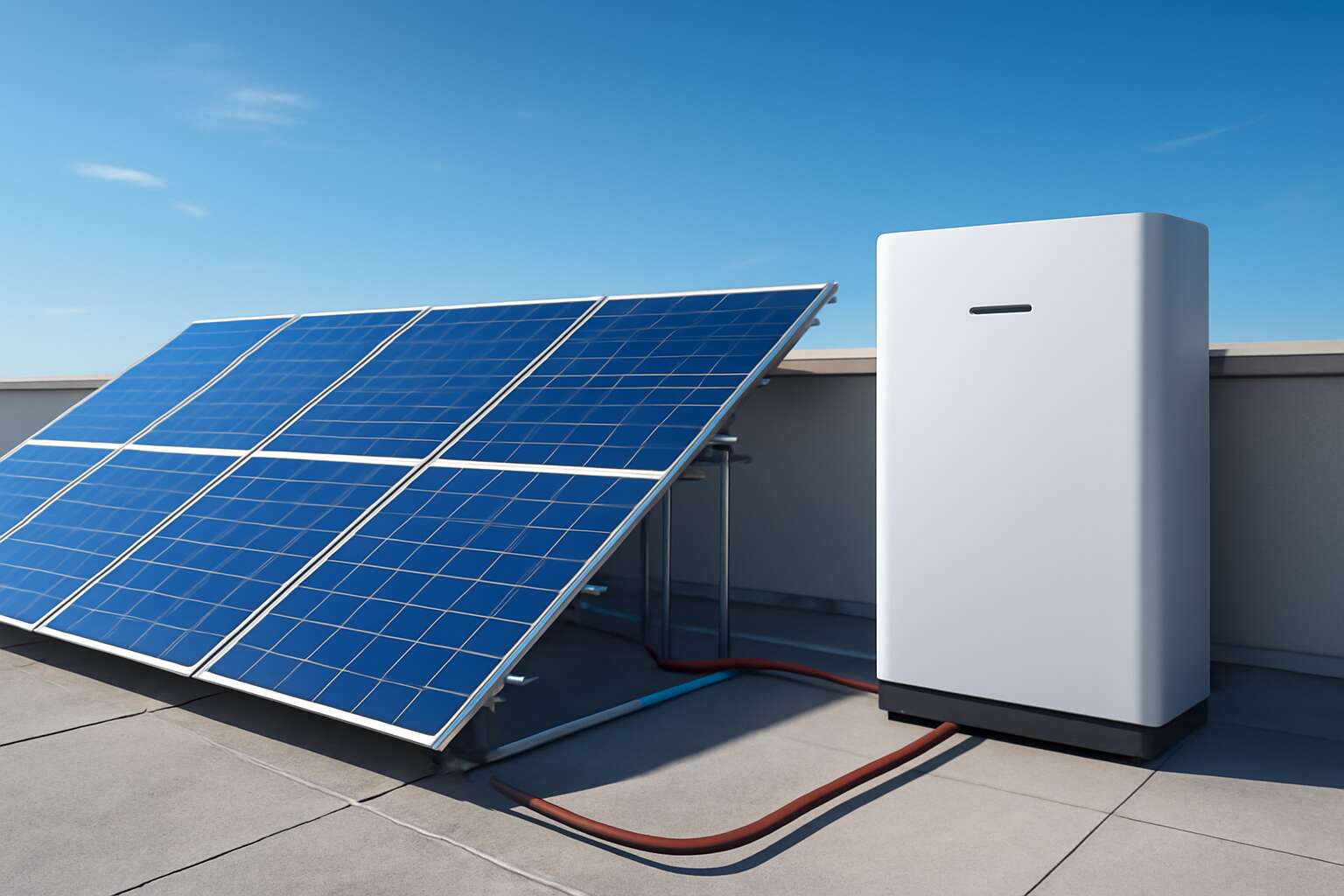
A solar power storage system lounges between sunshine and night, converting photons to usable energy and shelving it for when the lights waver. In practice, it links the solar panel to battery through a controller and inverter, guided by a smart management system that protects, distributes, and prolongs life.
- Backups during outages and load-shedding, a common SA reality
- Optimized daytime use reduces reliance on the grid and lowers bills
- Battery safety and longevity are guided by smart management and quality components
In this way, storage is not just technology; it’s a quiet elegy to resilience and possibility.
Core components: panels, battery, inverter, charge controller
South Africa’s mornings arrive with a wink and a charge. In the past year, residential solar storage installations surged about 40%, turning sunlit optimism into steady, quiet power.
Core components align like a refined social circle: panels catch photons, a battery stores the mood, an inverter speaks the energy, and a charge controller keeps etiquette—regulating flow and protecting life. From solar panel to battery, the chain is orchestrated by a smart controller and inverter.
The order of operations benefits from a tidy line-up:
- Solar panels
- Battery
- Inverter
- Charge controller
With smart management and quality parts, storage becomes resilience you can hear, even when the grid yawns.
Understanding grid-tied vs off-grid with storage
SA mornings arrive with a wink and a charge to spare. In the past year, residential solar storage installations surged about 40%, turning sunlit potential into reliable quiet power. Grid-tied storage offers a forgiving partnership: the system drinks the sun, trims daytime bills, and taps the grid when night falls. Off-grid storage, meanwhile, is a deliberate solitude, a reserve that travels with the home. The journey of solar panel to battery is a careful conversation between light and life, with the controller as moderator.
- Grid-tied with storage can feed surplus energy back to the grid, while still drawing on local panels when the sun wanes.
- Off-grid storage builds independence through larger battery banks and autonomous charging cycles, insulated from grid outages.
- A hybrid approach blends both modes, offering resilience with policy-friendly incentives and smarter load management.
Understanding these pathways helps households listen to the grid’s moods; the future is a softly humming balance of sunshine, storage, and policy. In South Africa, that balance translates into practical resilience—quiet power during load shedding and predictable energy costs.
Benefits and limitations of home battery storage
South Africa posted a 40% jump in residential solar storage last year, turning bright days into reliable power after dark. The journey from solar panel to battery is a straightforward chain: capture, store, and deliver energy when it’s most needed. This setup lowers daytime grid use and strengthens resilience during load shedding.
Benefits of home battery storage include:
- Higher self-consumption of your solar energy
- Backup power during outages
- Potential savings on daytime tariffs
Yet limits exist. Upfront costs and battery degradation affect the break-even point, while extreme heat can shorten capacity and life. Temperature, depth of discharge, and cycling discipline all shape performance. The system works best with thoughtful sizing and a proper solar panel to battery flow, guided by local conditions.
Choosing the Right Solar Panels for Battery Storage
Panel types and efficiency ratings
Sunlight is the most predictable currency in South Africa, and rooftop systems can trim daytime electricity bills by up to 60% in peak sun!
- Monocrystalline: the highest efficiency, dense packing, ideal for small or shaded rooftops
- Polycrystalline: budget-friendly with solid performance over a wide temperature range
- Thin-film: flexible or special-form factors for non-traditional rooftops; lower efficiency but strong in low light
Choosing the right solar panel to battery hinges on understanding panel types and how they translate to real-world performance. Panel types determine space needs, cost, and long-term reliability for homes from Cape Town to Polokwane. Efficiency ratings matter more than sticker price: seek higher module efficiency, favorable temperature coefficients, and slow degradation. A well-matched setup translates sun into steady power through seasons, especially during heat waves in SA. I’ve seen how the right pairing can transform a home’s energy independence!
Sizing panels to daily energy needs
Sunlight is South Africa’s most faithful tenant, gifting us generous windowed days and dramatic sunsets. When sizing panels to daily energy needs, you create a conversation between roof, battery and inverter—a dialogue that keeps lights bright after the sun leaves. The goal is to connect energy demand to storage in a way that honors the solar panel to battery relationship, translating daylight into night-time resilience without waste.
To zoom in on the right fit, consider a short list of fundamentals:
- daily kWh consumption
- average peak sun hours in your region
- battery capacity and depth of discharge
In SA homes from Cape Town to Polokwane, the math stays nimble, weaving seasonality and heat into a steady heartbeat of power.
Durability, warranties, and climate considerations
South Africa basks in roughly 2,500 hours of sunshine each year, turning roofs into potential powerhouses. To keep that light steady, choose with the end user in mind: durability, robust warranties, and climate savvy. Choosing the right solar panel to battery setup means balancing heat, dust, and sudden storms so daylight translates into night-time certainty.
- Durability features: corrosion-resistant frames, weatherproof junction boxes, and high-grade encapsulants that withstand SA heat and dust.
- Warranty clarity: long-term product warranties paired with performance warranties that guarantee output over 25 years.
Across Cape Town’s coastal mists to Polokwane’s arid glare, climate dictates choice: higher-temp derating, dust ingress, and wind load ratings shape longevity. Select panels built for SA’s conditions and pairing docks with a battery that breathes in sync.
Impact of shade, orientation, and temperature on output
South Africa basks in roughly 2,500 hours of sunshine each year, yet shade, orientation, and heat can quietly dim that potential. The journey from solar panel to battery hinges on how these factors shape output.
Shade from trees, chimneys, or nearby buildings cuts current and distorts the power curve. Orientation matters in the Southern Hemisphere—north-facing roofs typically capture the sun more evenly across the day. Temperature affects performance too; extreme heat can erode voltage and efficiency.
In the SA landscape, choosing panels tuned for heat tolerance and paired with a capable battery keeps daylight from going to waste!
Battery Technologies for Solar Charging
Battery chemistries overview
Hundreds of hours of outages last year taught resilience starts at the battery. “Power should be a choice, not a crisis,” someone once said, and in South Africa that choice is increasingly within reach. Battery technologies for solar charging are evolving, turning sunshine into dependable energy storage. The real art is pairing the right chemistry with daily rhythms.
Here are the core chemistries you’ll encounter.
- Lead-acid: affordable, robust, heavier, shorter cycle life.
- Lithium Iron Phosphate (LFP): long life, stable, safer, needs BMS.
- Lithium Nickel Manganese Cobalt (NMC): high energy density, lighter, more expensive.
- Flow batteries: scalable, long cycle life, lower energy density.
In South Africa’s sunny climate, the path from solar panel to battery is where resilience meets daily life. Proper sizing, ventilation and local warranty support make that journey graceful, turning dawn rituals into reliable power, even as the grid slumbers.
Cycle life and depth of discharge
South Africa basks in roughly 2,500 sun-drenched hours a year, and resilience rises when daylight becomes stored power. In the quiet drift between sunrise and sunset, the journey from solar panel to battery unfolds as a study in endurance, where every chemistry writes its own cadence and promise.
Cycle life and depth of discharge map storage’s poetry. Lead-acid is affordable but short-wearing; LFP lasts decades with stability; NMC offers density with a premium; Flow scales life with lower energy density.
- Lead-acid: 300–800 cycles; 50% DoD.
- LFP: 2,000–5,000 cycles; 80–90% DoD.
- NMC: 2,000–4,000 cycles; high density.
- Flow: 5,000–20,000 cycles; lower density.
Choosing the right match turns cycle life into daily rhythm. From dawn’s glow to night’s hush, the alchemy of solar panel to battery becomes resilience you measure in hours, not outages.
Thermal management and safety features
In SA’s blistering tapestry of sunshine, roughly 2,500 sun hours a year means the real performance battery-wise is all about staying cool while staying charged. That solar panel to battery journey hinges on smart thermal management and safety features, because the sun doesn’t forgive sloppy engineering.
Safe, efficient charging depends on three guardrails that keep chemistry calm:
- Thermal management systems that balance heat with optimal charging current
- Battery management system (BMS) with temperature sensing, cell balancing, and overcurrent protection
- Robust enclosure with venting, isolation, and compliant fire-safety measures to handle thermal runaway risks
With these in place, the solar panel to battery chain stays resilient through dust, heat, and load-shedding, turning harsh sun into steady, safer power.
Maintenance and monitoring
South Africa’s 2,500 sun hours annually isn’t a pass to careless design! In the solar panel to battery journey, maintenance and monitoring keep the system honest, translating heat into predictable charge cycles and long-term reliability. Battery technologies today lean on precise health sensing, steady state-of-charge tracking, and robust diagnostics to prevent surprise drops in capacity or efficiency. That vigilance is what turns raw sunshine into steady, safe power for homes and small businesses.
These capabilities include:
- Real-time state of charge and health dashboards
- Remote fault alerts and firmware updates
- Modular, scalable architectures for hot, dusty SA conditions
- Predictive diagnostics that spot drift before failure
In such a setup, monitoring becomes a daily ally, keeping the system resilient through outages and heat.
Costs and long-term reliability
From solar panel to battery, the cost story isn’t a single price tag but a quiet arithmetic of chemistry, cooling, and control. In South Africa’s furnace of climate, the right cell chemistry does more than hold charge — it cements long-term reliability and trims the bill through lower replacement frequency. A thoughtful balance of upfront expense and lifecycle performance yields a steadier, safer energy future for homes and small enterprises.
- Optimized chemistry choices for longevity and safety
- Efficient thermal management in SA’s heat and dust
- Advanced battery management and remote diagnostics
- Modular designs that scale with your needs
Smart design, paired with disciplined monitoring, keeps depreciation gentle and performance steady, turning the SA sun into a quiet, vigilant ally!
System Design and Sizing for Home Energy Storage
Estimating energy consumption and storage needs
System design starts with a simple truth: when sized correctly, every sunny day translates into reliable power. In South Africa, homes that align storage capacity with real use avoid gaps between generation and demand. The path from solar panel to battery should feel seamless, not speculative. A practical starting point is translating monthly consumption into daily kilowatt-hours and adding a safety margin for peak mornings or overcast spells.
To frame the storage needs, focus on these factors:
- Average daily energy use (kWh)
- Critical loads to back up
- Desired autonomy during outages
- Battery depth of discharge and inverter efficiency
Inverter, charger, and controller roles in the system
Sunlight is a quiet, calculable force in South Africa’s homes. A well-tuned system doesn’t gamble on the weather; it designs around daily life and outages so a single sunny day translates into reliable power. The truth is simple: when storage aligns with real use, gaps between generation and demand vanish.
System design begins by translating monthly consumption into daily kilowatt-hours and adding a safety margin for peak mornings or overcast spells. Frame the storage needs around these factors:
- Average daily energy use
- Critical loads to back up
- Desired autonomy during outages
- Battery depth of discharge and inverter efficiency
In the journey from solar panel to battery, the inverter, charger, and controller carry distinct responsibilities. The inverter powers AC loads, the charger manages how the battery absorbs energy, and the controller coordinates PV input with safety and longevity in mind. Together, they orchestrate a reliable flow of power, minimizing losses and maximizing resilience.
Sizing best practices and tools
“Storage is the quiet backbone of a modern home,” says a South African installer. Power reliability isn’t a gamble on the weather; it’s a habit built on solid design and smart sizing.
System design starts by turning monthly usage into a daily reality, then adding a buffer for mornings and overcast spells. Size the bank around expected autonomy, DoD, and inverter efficiency, so that from solar panel to battery the system breathes rather than stumbles.
Practical tools to size a home storage solution include:
- HOMER Energy for microgrid sizing and economics
- Aurora Solar or HelioScope for quick layouts and shading analysis
- RETScreen or SAM for performance estimates
- PVWatts plus local climate data to gauge solar input
When tuned, the solar panel to battery flow becomes predictable, resilient, and ready for SA outages—without drama!
Grid interaction, backup power, and islanding considerations
Outages are rising, and resilience is a design choice. System design begins by translating monthly usage into daily reality, then adding a buffer for mornings and overcast spells. Size the bank around expected autonomy, DoD, and inverter efficiency, so that from solar panel to battery the system breathes rather than stumbles.
These choices form the spine of grid interaction and backup readiness.
- Autonomy margin aligned with daily cycling and weekend usage
- DoD targets that balance longevity and readiness
- Inverter efficiency and ramp rates for smooth transitions
- Charging profiles that match solar input and grid constraints
The flow breathes through the system, keeping mornings calm, rain predictable, and outages manageable.
In SA, outages are part of life, so a well-sized storage system keeps the lights on without drama!
Cost, incentives, and return on investment
System design and sizing aren’t afterthoughts; they’re the engine behind affordable energy. Translate monthly usage into daily reality, add a buffer for mornings and overcast spells, then size the bank around expected autonomy and inverter efficiency. When you trace the route from solar panel to battery, the system breathes rather than stumbles, turning outages into manageable quirks.
- Incentive programs and financing options in South Africa that ease upfront costs
- VAT treatment, rebates, and municipal schemes that defray equipment and installation
- ROI drivers: energy price protection, outage resilience, and increased home value
Smart design turns upfront cost into ongoing energy independence and a calmer morning routine.
Installation, Maintenance, and Performance Optimization
Site assessment and permitting basics
Successful installation begins long before the first bolt is tightened. In South Africa, site assessment checks roof integrity, shading, and the path to the main panel, while permits flow through local authorities and SANS 10142-1. The journey from solar panel to battery thrives with thoughtful design.
Maintenance keeps the glow alive. Regular checks for panel cleanliness, clean connectors, and battery health preserve safety and performance. Ventilation around the inverter and battery bank, plus tidy cable runs, protect longevity and ensure the solar panel to battery journey remains smooth.
Performance optimization relies on mindful orientation, limited shading, and steady temperatures.
- Verify zoning and building permit requirements with the municipality.
- Obtain an electrical permit and ensure contractor compliance with SA standards (SANS 10142-1).
- Secure grid-connection approvals where available.
Wiring, safety, and best practices for installation
Sunlight is patient, and installation becomes its quiet choreography. The journey from solar panel to battery is a precise arc of design, where secure mounting, tidy cabling, and careful routing converge into reliability. This approach honors South African climate and standards, keeping connections robust under heat and wind.
Maintenance keeps the glow alive. Regular checks for panel cleanliness, clean connectors, and battery health preserve safety and performance. Ventilation around the inverter and battery bank, plus tidy cable runs, protect longevity.
Performance optimization relies on mindful orientation, limited shading, and steady temperatures.
- Tilt and azimuth naturally shift with the seasons
- Panels stay free from debris and shade where possible
- Cabling benefits from protection and proper strain relief
These practices harmonize aesthetics with efficiency, turning a rooftop into a dependable heartbeat of power.
Monitoring and analytics to maximize efficiency
Power is not an accident; it’s choreography. In South Africa, where sun is abundant, the solar panel to battery journey becomes a quiet audit of resilience. Installation isn’t a one-off hookup—it’s a design dialogue between rooflines, mounting, and the wind that tests every connection.
Maintenance is vigilance: panel cleanliness, connector integrity, and battery health keep safety and efficiency aligned. Allow for proper ventilation around the inverter and battery bank, and keep cable runs tidy to protect longevity and performance.
Performance optimization hinges on analytics: monitor state of charge, energy yield, and temperature trends; adjust orientation virtually, track shading, and correlate weather with storage. Monitoring turns data into steady, dependable power.
- State of Charge trends
- Yield versus forecast
- Thermal and shading signals
Maintenance schedule, fault diagnosis, and troubleshooting
South Africa’s sun is a metronome; a well-tuned solar panel to battery system turns daylight into dependable power, rain or shine. Installation isn’t a one-off moment—it’s the first note in a design dialogue between rooflines, mounting, and wind.
Maintenance schedule keeps the rhythm: routine checks ensure seals stay watertight, cables stay tidy, and cooling vents aren’t blocked.
- Mounting integrity and wiring condition
- Panel cleanliness and battery health as diagnostic touchpoints
- Inverter cooling, ventilation, and safety disconnects as safeguards
Fault diagnosis and troubleshooting follow a calm, methodical path: inspect for physical damage, verify connections, measure voltage values, and consult error logs. When performance dips, common culprits include shading, dirty panels, or aging batteries—addressing these before deeper repairs keeps the system resilient.
With a disciplined approach, maintenance and monitoring stay aligned with performance goals, yielding steadier storage, fewer outages, and longer equipment life.
Future upgrades: expanding capacity and efficiency gains
Installation is a quiet act of architecture and trust. In modern solar builds, the route from roof to storage is not a single bolt but a conversation—between weight, wind, and the cadence of the sun. A well-planned start makes the transition from daylight to dependable power feel almost inevitable, a promise that holds through load-shedding and a sudden South African squall. For us, the idea of a solar panel to battery converts daylight into a steady heartbeat.
- Modular expansion paths to grow capacity as demand increases
- Pairing smarter inverters with longer-life batteries for cooler SA climates
- Remote diagnostics and analytics to sustain performance with minimal downtime
These upgrades, layered on a disciplined maintenance foundation, push resilience and reliability toward daily, storm-tested performance. We maintain the quiet engine of upkeep, ensuring components align with upgrade paths and ongoing efficiency gains.


0 Comments