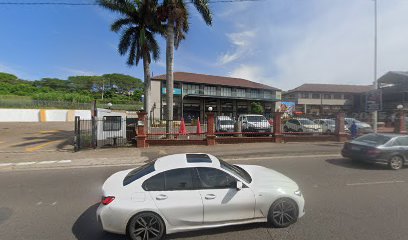
Hemera is a Solar energy equipment supplier establishment in Durban, KwaZulu-Natal, South Africa
Durban
KwaZulu-Natal
South Africa
Sorry, no records were found. Please adjust your search criteria and try again.
Sorry, unable to load the Maps API.
Solar energy equipment supplier services in Durban, KwaZulu-Natal
Durban, situated on the eastern coast of South Africa, presents a dynamic market for solar energy equipment suppliers. The local climate—characterised by abundant sunshine and high humidity—drives demand for reliable PV components and energy storage solutions. Suppliers in the area typically cater to a diverse clientele, from residential homes seeking to offset electricity costs to commercial operations aiming to increase energy resilience. The emphasis is on practical, durable equipment suitable for coastal conditions and the regional electrical environment.
Given the range of potential applications, the core services offered by solar equipment suppliers in Durban generally begin with expert guidance on product selection. Customers can expect assistance in assessing energy requirements, roof space or ground installation feasibility, and the compatibility of planned systems with existing electrical infrastructure. This initial stage often involves discussing the pros and cons of grid-tied versus off-grid configurations, as well as the role of battery storage in higher-usage households or facilities experiencing load shedding.
Site assessments and system design are common next steps. Qualified staff may conduct on-site evaluations to measure roof orientation, shading, and structural integrity, followed by the engineering of a customised solar solution. System design encompasses choosing appropriate solar panels, inverters, mounting hardware, and cabling, with consideration given to climate exposure, corrosion resistance, and South Africa’s electrical standards. In many cases, suppliers coordinate with approved installers or provide detailed plans that enable installers to execute efficient and safe installations.
Product sourcing constitutes another principal service. Durban-based suppliers typically stock a range of photovoltaic modules, inverters, optimisers, charge controllers, battery banks, and monitoring equipment. Some may offer complementary items such as mounting rails, conduit systems, and weatherproof enclosures. The emphasis is on quality and compatibility, ensuring that components operate harmoniously within the chosen configuration and meet local safety standards. Availability for quick delivery and access to spare parts are practical considerations for customers planning for long-term reliability.
Installation support and after-sales service are frequently highlighted aspects of the supplier’s role. While installation is often performed by licensed contractors, suppliers may provide technical guidance, ensure correct electrical connections, and verify compatibility between components. After-sales service commonly includes system performance monitoring suggestions, warranty information, guidance on routine maintenance, and advice on component replacement intervals. In coastal Durban, where salt air and humidity can affect equipment, practical advice on corrosion protection and enclosure sealing is often emphasised.
Customers may also encounter advisory services related to financing, incentives, and practical budgeting. While specific programmes vary, suppliers commonly explain potential cost savings from solar investment, assess payback periods, and outline maintenance expectations. They may also provide information on grid connection requirements, permit processes, and any local regulations that influence installation timelines and compliance.
Typical considerations when engaging with a Durban supplier include ensuring appropriate warranties, confirming compatibility with the local electricity grid, and planning for seasonal variability in sun exposure. The output from a correctly designed and installed system should offer measurable reductions in electricity bills, improved energy reliability during outages, and the flexibility to scale as demand changes.
- Site assessment and system design
- Product sourcing and component compatibility
- Installation guidance and after-sales support
- Maintenance, monitoring, and warranty information
- Regulatory guidance and permit considerations