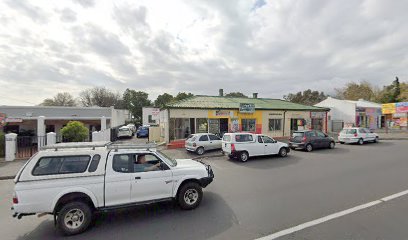
S A Solar Products is a Solar energy equipment supplier establishment in Somerset West, Western Cape, South Africa
SASP Solar Energy Equipment Supplier: Services and Customer Experience in Somerset West
SASP (SAS P) operates as a solar energy equipment supplier and installer based in Somerset West, Western Cape. The business positioning is centred on providing solar hot water solutions and solar energy hardware designed for residential applications. The website positions the company as a supplier and installer of solar components aimed at improving energy efficiency and reducing grid reliance for households in the local region.
Typical services described or implied through customer communications and reviews include the retrofitting and upgrading of solar hot water systems, particularly geysers, with solar technology. This encompasses both evacuated-tube configurations and flat-plate solar collectors, reflecting a breadth of product options usually associated with domestic solar hot water systems. The emphasis in customer exchanges appears to be on tailoring the technology to meet energy needs while considering performance expectations and reliability over time.
The scope of work mentioned by clients also touches on broader solar electrical installations. Instances described by reviewers suggest involvement in installing solar panels and integrating these systems with existing electrical infrastructure. In some cases, this extends to ensuring that electrical connections and safety controls align with standard practice for home retrofits. While the precise project mix may vary, the underlying thread is the delivery of solar hardware coupled with the installation expertise necessary to effect a functional, ship-ready system for the residence.
From a materials and service perspective, the company is associated with both hardware supply and hands-on installation. The service model inferred from client feedback indicates a single-point focus on guiding customers through a process that includes product selection, installation, and, in certain cases, post-installation support. Positive anecdotes highlight proactive communication and a willingness to adjust recommendations in response to observed performance, as well as offering customer referrals based on satisfied prior work. This suggests an emphasis on client education and ongoing service beyond the initial installation.
In terms of project management, one recurring theme in reviews is the importance of coordination and timing. Positive experiences note clear updates and careful consideration of when installations meet expected performance metrics, with attention paid to ensuring customers are not rushed into payment before verification of results. Conversely, reviews citing negative experiences point to gaps in communication, incomplete work, and concerns about compliance and safety. This spectrum indicates variability in service delivery and the critical role of professional management and adherence to electrical safety standards in installations of this nature.
Typical job types, as reflected by customer feedback, concern residential solar hot water retrofits and domestic solar PV or hybrid systems. The negotiated scope commonly includes site assessment, equipment selection (geotextile and mounting considerations for roofing), installation of collectors or panels, and connection to the home’s electrical system. The process may also involve coordinating with electrical authorities to obtain the necessary documentation, such as compliance certificates, to verify that work meets regulatory requirements.
For customers planning a solar upgrade, practical considerations include ensuring that wiring and earthing are properly implemented, agreeing on a clear timetable, and confirming aftersales support. Prospective clients are advised to request references from recent installations and to review the company’s track record in both installation quality and post-installation service. The occasional negative report underscores the importance of verifying documentation (such as certificates of electrical compliance) and confirming that all safety and regulatory steps are completed before project handover.
Operational hours and visiting guidelines are not explicitly stated on the site. However, the business situates itself within the Western Cape suburb of Somerset West, suggesting a local service footprint with regional knowledge of climate and energy needs. The available content indicates a focus on residential projects rather than large-scale commercial deployments.
Practical tips for customers include requesting a written assessment and proposal, asking for a clear breakdown of equipment options (including the differences between evacuated tubes and flat-plate collectors), and obtaining a timeline with milestones. It is prudent to verify the expected performance of retrofits in relation to regional solar irradiance and household usage. Finally, securing a formal certificate of compliance or equivalent documentation prior to project completion is advisable to ensure regulatory alignment and future peace of mind.
Somerset West
Western Cape
South Africa
Sorry, no records were found. Please adjust your search criteria and try again.
Sorry, unable to load the Maps API.
Solar energy equipment supplier services in Somerset West, Western Cape
Solar energy equipment suppliers in Somerset West provide a range of services designed to help businesses and households transition to sustainable power. Operating within the Western Cape, these suppliers commonly assist customers from initial consultation through to installation, commissioning and ongoing support. The focus is often on reliable, cost‑efficient solar solutions suitable for the local climate, with attention to performance, durability and local regulatory considerations.
Initial assessment and site survey are typically the first steps. Experienced technicians assess energy needs, roof orientation and shading, electrical infrastructure, and potential battery storage options. This information informs the development of a tailored system design, balancing components such as photovoltaic (PV) modules, inverters, mounting solutions, batteries, charge controllers and monitoring equipment. In Somerset West, considerations may include coastal exposure, temperature variations and seasonal sunshine patterns, all of which influence equipment choice and system sizing.
Technical consultation usually covers system feasibility, expected output, and maintenance requirements. Suppliers explain the differences between grid‑tied and off‑grid configurations, as well as hybrid arrangements that combine solar with the existing utility supply. Customers can expect guidance on whether to prioritise rooftop installations, ground mounting, or a combination approach, depending on property structure and space. Financing options are often discussed, including potential government incentives, supplier finance plans or third‑party leasing, subject to local policies.
Procurement and equipment supply form the next phase. Reputable suppliers source solar panels, inverters, batteries, racking systems and cabling from established manufacturers, prioritising quality, warranties and local availability for after‑sales support. In many cases, suppliers provide end‑to‑end procurement for a complete solar package, ensuring compatibility across components and simplifying the procurement process for customers. Where appropriate, attention is given to future expansion—such as additional battery capacity or higher‑output inverters—so the system can scale with evolving energy needs.
Installation services are performed by qualified electrical technicians and installers following strict safety and compliance standards. The process includes mounting PV modules, routing electrical connections, installing inverters and batteries, and integrating monitoring systems. System commissioning verifies performance against design specifications, checks safety clearances, and ensures safe operation within the building’s electrical network. Local compliance with South African electrical standards and grid connection requirements is typically observed, with documentation provided for verification and potential utility notification.
Maintenance and after‑sales support are important elements of the service offering. Routine maintenance often covers cleaning of panels, tightening connections, and performance testing. Monitoring systems provide real‑time data on energy production, consumption and battery status, helping to identify anomalies early. Warranties on components, ongoing technical support, and access to spare parts are frequently highlighted as part of the after‑sales package. Customers in Somerset West may also benefit from advice on energy management strategies, load shifting, and best practices to maximise system efficiency.
Practical considerations for solar energy equipment suppliers in Somerset West include weather resilience, local supply chains, and service response times. Local contractors may offer rapid emergency support after storms or power outages, ensuring minimal downtime. It is common to encounter a diverse range of property types, from residential homes to commercial premises, each requiring customised design and installation approaches. Overall, the service ecosystem supports a straightforward path from initial assessment to installed, commissionable, and maintainable solar systems, tailored to broad energy objectives and local conditions.