Lumasol is a Solar energy equipment supplier establishment in Compensation, KwaZulu-Natal, South Africa
Lumasol: Solar mounting solutions for KwaZulu-Natal businesses and homes
Located in South Africa, Lumasol specialises in the design and supply of high-quality solar panel mounting structures for a range of applications. The company emphasises durability, efficiency, and cost-effectiveness, with a stated capability to support large-scale solar projects through an annual production capacity of 5GW. The focus is on customised mounting for residential, commercial, industrial, and agricultural installations, underscoring the intent to partner with customers across diverse sectors as they transition to clean energy.
From a product perspective, Lumasol offers a broad catalogue of mounting solutions tailored to different roof types and configurations. The catalogue and installation manuals highlight options for rooftop and ground-mounted systems, as well as tracking solutions where appropriate. The emphasis on pre-assembled solutions suggests an aim to streamline on-site assembly, reduce component counts, and facilitate reliable performance in varied South African weather conditions. Materials, design considerations, and installation guidance are packaged to support projects from initial concept through to commissioning, with warranty considerations integrated into the documentation.
Customer experience within the available content and user reviews points to a consistent emphasis on service quality, technical knowledge, and responsiveness. Visitors repeatedly mention professional communication, practical assistance, and a willingness to go the extra mile. Customers describe the team as knowledgeable and helpful, with a notable track record of supporting installations through the procurement, design, and post-installation phases. The reviews flag a strong stock range, efficient quoting, timely deliveries, and a proactive approach to after-sales questions, which collectively contribute to a sense of reliability and confidence in project outcomes.
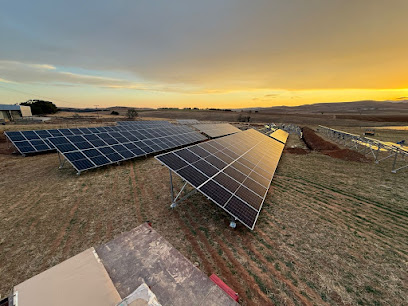
The company’s project portfolio showcases its capacity for a variety of installations, including rooftop systems, ground-mounted configurations, and complex arrangements for commercial sites. Examples cited in project listings include multi-megawatt rooftop and grid-tied systems, as well as ground mounts with bespoke features. This breadth indicates a capability to adapt mounting structures to different site constraints, electrical layouts, and client requirements, while maintaining a focus on robust construction designed to withstand local conditions.
Practical considerations for prospective customers include exploring the product catalogues and installation manuals to understand mounting configurations, component options, and installation steps. Lumasol provides documentation that includes mounting plans, installation guides, and warranty certificates associated with various products. The inclusion of warranty information—alongside registration procedures—highlights a structured after-sales framework intended to protect installations over time and support ongoing performance. The warranty materials point to a 10-year product warranty on applicable items, reinforcing the aim for long-term durability and peace of mind for users.
In terms of access and contact channels, clients can reach the team through multiple routes, including a dedicated contact page with a physical address in Ballito, KwaZulu-Natal, an email address, and a telephone line. A contact form is also available for written inquiries, with assurances that a representative will respond promptly. The presence of an online project gallery and downloadable resources helps potential customers assess compatibility, engineering quality, and installation practicality prior to engagement.
Typical job types associated with Lumasol’s offerings fall into the following broad categories: residential rooftop mounting systems, commercial rooftop or carport-integrated installations, industrial-scale ground-mounted systems, and agricultural solar projects. Each category benefits from Lumasol’s emphasis on durable mounting frameworks, compatibility with various roof sheeting and structural profiles, and the provision of installation manuals and warranty documentation to support installation teams and site supervisors.
Customer tips for engaging with Lumasol include: reviewing the product catalogue and installation manuals to understand mounting options and installation steps; examining the warranty terms and ensuring timely warranty registration; consulting the completed projects section to gauge fit for the specific sector and project scale; and using the contact channels to request quotations, with attention to providing site parameters such as roof type, wind loads, and substrate conditions to facilitate accurate sourcing and design.
- Plan ahead by consulting the documentation first to align expectations on installation complexity and component selection.
- Utilise the project examples to benchmark against industry peers in similar sectors and scales.
- Prepare key site information for quotes, including roof type, mounting inclination, and any required coatings or corrosion considerations.
- Register warranties within the stated timelines to ensure coverage on eligible components.
Overall, Lumasol presents as a regionally focused supplier of solar mounting structures with a strong emphasis on industry-standard durability, comprehensive product documentation, and a service ethos reflected in positive customer feedback. For organisations and homeowners in Compensation and wider KwaZulu-Natal seeking reliable mounting solutions and back-up support for solar projects, Lumasol’s blend of pre-assembled systems, diverse mounting options, and documented guidance offers a practical pathway from concept to completion.
Compensation
KwaZulu-Natal
South Africa
Sorry, no records were found. Please adjust your search criteria and try again.
Sorry, unable to load the Maps API.
Solar Energy Equipment Supplier Services in Compensation, KwaZulu-Natal
<pAcross Compensation and its surrounding communities, solar energy equipment suppliers offer a range of services designed to help businesses and households harness renewable power. The focus is on practical, scalable solutions that meet local energy demands, climate considerations, and regulatory requirements. Suppliers in this region typically blend technical proficiency with an understanding of available incentives and grid connectivity, delivering support from initial consultation through to ongoing maintenance.
<pIn Compensation, the process usually begins with a site evaluation to determine solar suitability. A technician may assess roof orientation, shading from nearby trees, roof structure, and electrical load requirements. For larger operations or commercial premises, a detailed energy audit can identify peak usage periods, battery storage needs, and the potential for hybrid systems that combine solar with conventional generation. The outcome is a customised plan that balances upfront capital with long-term savings and resilience.
<pA core component of service provision is the design and specification of solar hardware. This includes photovoltaic (PV) modules, inverters, mounting systems, battery storage, and the associated electrical components. Suppliers aim to offer equipment that is compatible with local grid regulations and the expected daily solar resource in KwaZulu-Natal. They emphasise reliability, warranty terms, and the ease of replacement parts, recognising that downtime can impact commercial operations and household routines alike.
<pInstallation is a central service, delivered by technicians who install, configure, and commission the system. This stage involves wiring, inverter programming, safety checks, and sometimes system integration with existing electrical boards. In rural or semi-urban areas around Compensation, installers may coordinate with local electricians to ensure compliance with electrical standards and to streamline permitting processes when required.
<pAfter-sales support is a common feature of supplier services. Customers can expect guidance on operation, monitoring options, and troubleshooting. Modern systems often include performance monitoring dashboards that provide real-time data on energy production and consumption. In regions with variable weather, monitoring helps identify battery cycling needs, the health of modules, and potential optimisations to maintain efficiency over time.
Typical services offered
- Site assessments and feasibility studies tailored to Compensation’s climate and infrastructure
- System design and equipment specification for residential, commercial, and light industrial use
- Supply of PV modules, inverters, mounting hardware, wiring, and battery storage solutions
- Proposed layouts and load analyses to meet specific energy goals
- Professional installation and system commissioning
- Connections to the electrical network, where applicable, and guidance on grid-tied versus off-grid configurations
- Maintenance programmes and performance monitoring options
- Warranty information and parts replacement support
- Financial and funding guidance, including potential procurement timelines and budgeting considerations
- Compliance advice relating to safety standards and local regulations
Practical considerations for customers include estimating the total cost of ownership, understanding payback periods, and evaluating the impact of seasonal weather patterns on output. KwaZulu-Natal’s climate offers substantial solar potential, yet performance is influenced by roof orientation, shading, and system sizing. Prospective buyers should request clear documentation on equipment specifications, warranty coverage, and the expected service level agreements for maintenance and emergency support.
In Compensation, solar energy equipment supplier services are typically delivered with a focus on dependable delivery timelines, accurate engineering assessments, and transparent communication. The objective is to enable reliable, self-generated power while reducing dependence on traditional utility supply, enhancing energy resilience, and contributing to sustainable operating costs for both businesses and households in the region.