Solar Trends is a Solar energy company establishment in Milnerton, Western Cape, South Africa
Solar Trends: Solar Hot Water Solutions for Homes and Businesses in Milnerton
Solar Trends stands as a long‑standing specialist in solar hot water systems and related energy solutions within the Western Cape, serving customers within approximately 120 kilometres of Cape Town. With more than 25 years of industry experience, the company is led by a team of certified plumbers and solar technicians who emphasise safety, quality, and reliability in every installation. The overarching aim is to provide affordable access to clean, renewable hot water while helping clients reduce electricity costs and environmental impact.
The core offering centres on solar hot water systems designed to deliver consistent performance across seasons. The business presents a clear value proposition: switching to solar hot water can significantly cut electricity consumption, with potential savings often highlighted as up to 50%. This emphasis on tangible energy reductions is reinforced by client testimonials that describe friendly service, on‑time arrivals, and professional workmanship that results in noticeable decreases in monthly bills.
Main services offered
- Flat-Panel Solar Systems: Roof-mounted collectors heat water via copper piping and high‑pressure insulated storage. The design is straightforward to service and maintains a lower upfront cost compared with some alternatives, with the potential to reduce electricity usage by up to half.
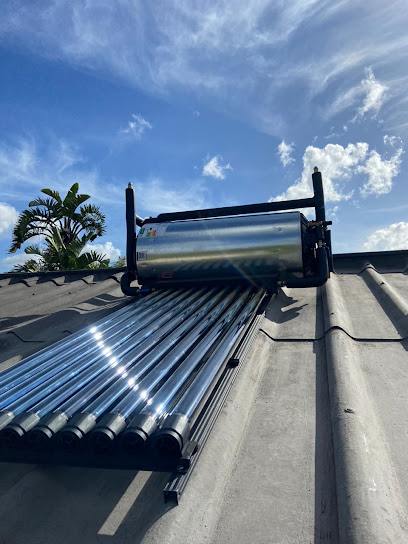
- Evacuated Tube Solar Water Heaters: An efficient option that performs well in colder or cloudier conditions and often delivers better performance in winter. Suitable for homes with high hot-water demand or limited roof space, these systems are noted for their efficiency.
- Retrofit With Existing Geyser: Converts an existing electric geyser into a solar-powered system using a retrofit kit. This option is described as quick to install, with minimal plumbing changes and a lower price point relative to a full solar installation—offering faster payback.
- Solar PV Panels with Electric Geyser: Uses photovoltaic panels to generate electricity that powers an electric geyser. This hybrid approach retains solar input while heating water, with the same potential savings on electricity bills as other solar water solutions.
In addition to these primary offerings, Solar Trends markets a residential heat pump option for pool heating, positioned as energy‑efficient and cost‑effective. A visible price is listed for the pool heat pump, indicating a practical path for customers seeking summer comfort without high running costs.
How requests typically work
Potential clients begin with an initial consultation, followed by professional installation services conducted by qualified technicians. The company’s communications in client reviews emphasise clear explanations of the system, transparent processes, and neat, quick installations. Ongoing maintenance is highlighted as part of the service promise, ensuring continuous hot water supply and reliability beyond the initial setup.
Typical job types and industries
The services are described as suitable for both homeowners and small to medium commercial applications within the Western Cape. The focus remains on domestic hot water needs, with several reviews referencing household installations. The underlying approach is to tailor solar solutions to the individual’s hot-water demand, roof space, and budget, then deliver a turnkey installation with long-term performance in mind.
Customer experience and reviews
Reviews portray Solar Trends as friendly, punctual, and professional. Clients note clear explanations, careful installation, and noticeable reductions in electricity usage shortly after completion. Specific phrases in reviews include appreciation for team friendliness, on-time service, and patient handling of customer requests, underscoring a reputational strength in customer service and practical outcomes.
Practical tips for customers
- Assess your hot-water demand and roof space to determine whether a flat-panel or evacuated tube system is more appropriate for your home.
- Consider retrofit options if a full install is beyond the current budget or if a quick payback is preferred.
- Factor in seasonal needs; evacuated tubes may deliver better winter performance in colder climates.
- Evaluate total cost of ownership, including installation, maintenance, and potential savings on electricity bills over time.
- Check that the installation is performed by certified professionals to ensure safety and compliance with local regulations.
Hours, location and service area
While specific business hours are not listed on the site, Solar Trends operates in the Milnerton area and broader Western Cape region, concentrating on customers within roughly a 120‑km radius of Cape Town. The focus is on providing reliable hot-water solutions and ongoing support to ensure year‑round performance.
Notes for readers
Solar Trends presents a cohesive suite of solar hot-water options, with customer service and installation quality highlighted across reviews. The combination of flat-panel and evacuated-tube technologies, alongside retrofit and PV‑powered geyser solutions, offers flexibility for various roof configurations, budgets, and hot-water needs. The inclusion of a pool heat pump also broadens the scope for customers seeking energy‑efficient summer comfort.
Milnerton
Western Cape
South Africa
Sorry, no records were found. Please adjust your search criteria and try again.
Sorry, unable to load the Maps API.
Solar Energy Services in Milnerton, Western Cape
In Milnerton, Western Cape, solar energy companies provide a range of services aimed at helping households and businesses reduce reliance on grid electricity and maximise the benefits of photovoltaic systems. Local specialists typically offer initial assessments, system design, installation, commissioning and ongoing maintenance tailored to the region’s climate, consumption patterns and regulatory environment.
Assessment and site analysis are common starting points. Solar professionals inspect a property’s orientation, roof condition, shading from nearby structures or trees, and electrical capacity. They consider the local solar resource, daily energy use, and any future plans that could affect system sizing. This planning phase helps define the appropriate size and configuration of the PV installation, as well as the needed inverters, mounting hardware, and battery solutions where applicable.
Design and engineering work focuses on delivering a customised solution that aligns with the customer’s energy goals and budget. For Milnerton properties, engineers evaluate factors such as roof space, safety standards, local electrical codes, and compliance with municipal or national incentives. The output is a detailed plan that outlines the number of solar modules, mounting arrangement, wiring topology, switchgear, and monitoring options. In many cases, the approach emphasises reliability, ease of maintenance, and scalable growth to accommodate evolving energy needs.
Installation is the stage where precertified components are physically mounted, connected, and tested. Trained technicians install racking systems on roofs or ground mounts, place and connect solar modules, and integrate inverters and appropriately rated cabling. Where storage is pursued, battery banks and charge controllers are added, with attention paid to safe handling, ventilation, and protection against electrical faults. The commissioning process includes performance testing to confirm electrical connections, insulation, grounding, and system effectiveness. In Milnerton, electricians familiar with local voltage and regulations help ensure a smooth transition from planning to operational status.
Monitoring and performance optimisation are increasingly important features. Solar service providers may offer remote monitoring platforms or in-person checks to verify energy production, detect shading issues, and identify underperforming components. Regular performance reviews help ensure the system operates near its expected output under Cape climate conditions. For consumers seeking greater energy resilience, hybrid or battery-enabled configurations can provide storage during the evening peak hours or grid outages, subject to feasibility and cost considerations.
Maintenance and aftercare cover routine inspections, cleaning of panels to maintain efficiency, software updates for inverters, and component replacement as needed. Warranties and service packages vary, but most providers outline maintenance intervals and response times for fault rectification. In the Milnerton area, practical considerations include exposure to coastal air and occasional high winds, which influence mounting choices and corrosion protection measures. Local technicians typically emphasise safety, weather resilience, and adherence to electrical standards throughout service delivery.
Customers in Milnerton can expect transparent communication regarding project timelines, permitting requirements, and any grid connection procedures that may be applicable. Practical budgeting discussions focus on system lifetime costs, potential savings, and the implications of maintenance or battery replacements. While exact product names and prices are not universally constant, the typical offerings span grid-tied solar arrays, expandable roof-mounted systems, and, where appropriate, energy storage solutions to maximise self-consumption and provide backup during interruptions.
Overall, solar energy services in Milnerton are characterised by a focus on customised design, compliant installation, reliable performance, and ongoing support. Prospective clients are advised to compare detailed proposals, verify credentials, and assess long-term value through expected energy savings, system durability, and the availability of local service networks.