Blue Point Technologies is a Solar energy company establishment in Pretoria, Gauteng, South Africa
Blue Point Technologies: Solar energy solutions and turnkey engineering in Gauteng
Blue Point Technologies presents itself as a technology firm focused on self-sustainability for residential and commercial clientele in the Gauteng region, with services spanning solar energy, electronics, and software. The company frames its offering as adaptable, from smaller installations to larger turnkey projects, emphasising an approach that combines consultation, installation, and ongoing support. Across its energy-focused pages, the business outlines an ethos centred on customised design and long-term relationships with customers, supported by more than two decades of combined engineering expertise referenced in its materials.
In the Solar Energies area, Blue Point Energies describes a comprehensive set of services designed to reduce dependence on the national grid. Core activities include solar consulting, solar installations for residential, commercial, and industrial applications, solar component sales, maintenance and after-sales support, and the design and development of solar systems. The service offering is presented as end-to-end: initial consultation and site assessment, followed by tailored system design, execution by a network of skilled installers, commissioning with client sign-off, and education to ensure clients can operate and maintain their systems effectively. The emphasis on site visits for accurate quotes and requirements highlights a focus on personalised planning rather than generic, off-the-shelf solutions.
Beyond solar, the energy division also highlights related areas such as water backup systems, gas installations, and other sustainability-oriented services. Water backup installations are described for both residential and commercial contexts, illustrating an aim to provide practical resilience alongside energy independence. Gas installation capabilities are also listed, signalling a broader portfolio that supports self-sufficiency beyond solar power alone. The intent conveyed is that no project is too large or too small for Blue Point Technologies’ qualified team to manage, with a promise of after-sales support that remains accessible by phone after project handover.
Customer experience, as reflected in the visitor feedback, appears to centre on professionalism, clear communication, and supportive after-sales service. Anonymous visitor quotes within the site’s testimonials indicate that clients valued detailed explanations during planning and installation, and that ongoing support and responsiveness were notable strengths. While individual testimonials in the supplied materials come from different contexts, the recurring themes point to a customer-centric approach and reliable post-installation assistance, which aligns with the company’s stated commitments to education and ongoing care after a project is completed.
The company presents itself as a one-stop partner for sustainability needs, combining energy solutions with broader technical competencies. The website communicates a structured workflow: initial consultation and quotation, execution and installation, commissioning with formal sign-off, and an educational phase to empower clients to operate their systems with confidence. This sequence reinforces the impression of a managed process designed to minimise disruption and ensure clarity for customers throughout the project lifecycle.
For prospective customers seeking practical guidance, several points emerge from the information available. First, requests typically begin with a site visit for assessment and a customised quotation, followed by design and installation managed by Blue Point’s network of engineers and technicians. Second, maintenance and support are positioned as routine components of the service, not merely a post-installation afterthought. Third, the company stresses neat, tidy installations that preserve the aesthetics of client environments, reflecting an attention to both performance and presentation. Fourth, the breadth of offerings—including solar systems, water backup, and gas installations—suggests that customers can consolidate several sustainability needs with a single supplier.
- Main services offered: solar consulting, solar installation, solar component sales, solar maintenance and after-sales support, solar system designs and development; water backup systems; gas installations; and related engineering and software services.
- Typical job types: residential, commercial, and industrial solar installations; water backup installations for homes or businesses; integration with ancillary sustainability systems; site assessments and customised design work.
- How requests usually work: site visit and consultation, tailored quotation, design and installation execution, commissioning with client sign-off, followed by client education and ongoing support.
Tips for customers
-
<liArrange a site visit for an on-site assessment and precise quotation rather than relying on generic online estimates.
- Ask for a clear project timeline, from design through to commissioning, and request a written sign-off checklist at handover.
- Inquire about after-sales support options and response times to ensure post-installation questions are quickly resolved.
- Seek confirmation that installations are neat and compliant with environmental considerations, maintaining the aesthetics of the surrounding space.
- Clarify whether the scope includes water backup and gas components in addition to solar, to streamline procurement and installation.
Operating information such as specific business hours is not listed explicitly in the publicly available materials, but the company presents a responsive, consultative model that emphasises convenient access through its regional office in Gauteng. The services are described as suited to Pretoria and the broader Gauteng area, reflecting the local focus of the solar energy category in the business directory.
Overall, Blue Point Technologies positions itself as a multidisciplinary technology partner with a strong emphasis on customer-centric, customised solutions. The solar energy division aligns with a practical, end-to-end service model, designed to help clients move towards self-sustainability while benefiting from reliable after-sales support and ongoing collaboration.
Pretoria
Gauteng
South Africa
Sorry, no records were found. Please adjust your search criteria and try again.
Sorry, unable to load the Maps API.
Solar Energy Services in Pretoria, Gauteng
Solar energy providers in Pretoria offer a range of services designed to harness the abundant South African sunshine while supporting residential, commercial, and industrial energy needs. In the Gauteng region, where electricity demand is high and outages can be disruptive, these services emphasise reliability, efficiency, and cost management. Customers can expect a structured approach that begins with assessment and planning, followed by installation, commissioning, and ongoing maintenance tailored to local conditions such as high daytime temperatures and the prevalence of rooftop space in urban and suburban settings.
Initial assessments typically involve a site inspection to determine solar irradiation, roof orientation and condition, shading from trees or neighbouring buildings, and electrical capacity. The aim is to tailor the system size to the client’s energy consumption patterns, peak sun hours, and budget. Engineers or qualified technicians may model potential energy generation and estimate return on investment, often considering local tariff structures, potential grid feed-in, and any applicable incentives or financing options. Clear technical diagrams help stakeholders understand how panels, inverters, mounting systems, and storage components fit together within the available space.
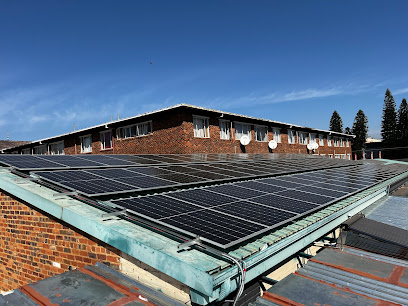
Installation services cover the supply and mounting of solar photovoltaic (PV) panels, inverters, racking or mounting hardware, wiring, safety components, and, where appropriate, battery storage. In Pretoria, installers account for the region’s weather conditions, ensuring weatherproof connections and proper cable management. System configurations vary by need: grid-tied systems for reducing grid electricity use, hybrid systems that combine solar with battery storage and auxiliary power sources, or off-grid arrangements where mains supply is unavailable or unreliable. The installation process also addresses electrical compatibility with the building’s distribution boards, ensuring metering compatibility and compliance with local electrical standards.
Commissioning follows installation and involves testing to confirm electrical performance, monitoring readiness, and system protection features such as surge protection and safety shut-offs. Once live, the solar installation should operate within expected efficiency ranges, with monitoring tools providing visibility into daily generation, battery state-of-charge (where applicable), and system fault alerts. Regular maintenance visits may be offered to check PV module cleanliness, wiring integrity, inverter health, and battery performance, with preventative measures designed to extend equipment life and maximise output during high-irradiance periods typical of Gauteng summers.
In addition to hardware-focused work, service offerings often include system optimisations for energy management. This can involve tariff analysis to maximise self-consumption, optimised battery cycling strategies, and guidance on load shifting to balance demand with solar generation. Some providers help clients navigate regulatory or utility considerations, such as grid connection approvals and net metering rules where available, while ensuring safety standards are observed during all phases of the project.
Customers in Pretoria should expect practical considerations to shape service plans. These include site accessibility, the availability of suitable roof space or ground-mounted areas, and local building regulations. Urban properties frequently benefit from roof-mounted PV arrays, while commercial sites may accommodate larger installations with designated ground areas. Weather exposure, potential shading from trees, and the need for weather-resistant components are routinely addressed. The selection of equipment emphasises durability in high temperatures and compatibility with the local electrical infrastructure, with warranties and aftercare commonly provided to support ongoing performance.
- Site assessment and optimisation planning
- PV panel and inverter installation
- Battery storage integration (where appropriate)
- System commissioning and performance verification
- Maintenance, monitoring, and fault diagnosis
- Energy management and tariff optimisation advice
Overall, solar energy services in Pretoria aim to deliver dependable, energy-efficient solutions that reduce reliance on the grid, lower operating costs, and enhance resilience against outages. By combining technical expertise with local knowledge, providers help customers navigate the practical realities of solar deployment in Gauteng and realise the benefits of clean, sustainable power.