Garden Route Solar & Electrical is a Solar energy company establishment in Sedgefield, Western Cape, South Africa
Garden Route Solar & Electrical operates in the Garden Route region of the Western Cape, providing professional solar energy solutions for residential customers. The service ethos emphasises sustainable energy generation from the sun, aiming to help households generate their own electricity, reduce monthly bills and minimise maintenance costs. The emphasis is on uncomplicated, reliable systems that support energy independence while addressing the challenges of load shedding in South Africa.
Main services offered
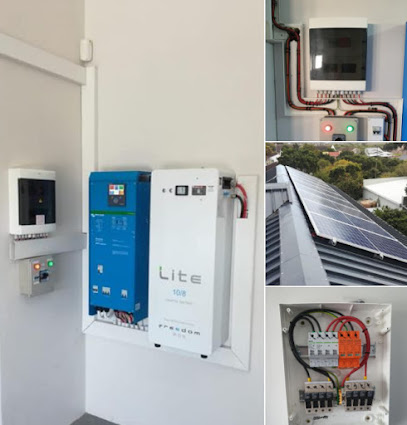
The company offers end-to-end solar power installations featuring high-quality components. Core offerings include solar panels designed for strong shading tolerance and power output, control systems for easy installation and remote monitoring, inverters and chargers that display parameters via on-device panels or smartphone access, and energy storage solutions with a range of batteries to suit different requirements. Specific product lines highlighted include Pylontech batteries for energy storage and lithium‑based systems, which are presented as long‑term options with advantages in discharge depth, charging speed and longevity. The product pages also point to technical datasheets and specifications for interested customers weighing options.
Typical installations are framed around three main system types: grid‑tied (solar power supplements daytime consumption with no battery storage), hybrid (the most common residential setup, combining solar generation with battery storage and continued connection to the grid for backup), and off‑grid (entirely independent from the grid, requiring substantial solar, battery capacity and often backup generation). In addition, a UPS-style backup solution is noted as a fourth option for standing power during loadshedding, though this is described as independent of solar generation and charged from the grid when available.
Based on the described offerings, typical projects include residential solar installations designed to offset daytime electricity use and provide storage for night-time or cloudy periods. Projects may involve calculating daily and peak usage, selecting appropriate inverter and battery capacities, and integrating systems with existing electrical infrastructure. The guidance suggests measuring usage with data logging to determine energy needs accurately and identifying high-consumption loads such as geysers and stoves, with recommendations to consider energy‑efficient upgrades (LED lighting, alternative heating options) to maximise savings.
Industry context provided on the site indicates a focus on home-based renewables, with a emphasis on the Garden Route environment and the South African energy landscape. Inverter setups, battery technologies, and the ability to feed surplus power back to the grid (where permitted by local regulations and metering) are highlighted considerations for customers planning upgrades or brand-new installations.
From the contact material, the process begins with reaching out for a quotation or for further information. A visit or remote consultation is implied as the next step to assess solar potential and determine a suitable system configuration. The website communicates a professional installation service backed by top‑quality solar products, suggesting a turnkey approach—from initial assessment through to final commissioning and handover of a configured system.
As part of the planning stage, potential customers may be advised on meter considerations, possible smart metering requirements, and the implications of exporting energy to the grid. Guidance emphasises practical steps to align system design with energy usage patterns and budget objectives.
- Assess current electricity usage accurately, ideally via data logging, to size the system correctly for day and night demands.
- Consider reducing high‑consumption loads, such as geysers and stoves, and explore energy‑efficient options (for example LED lighting) to maximise savings.
- When planning storage, weigh the long‑term benefits of lithium batteries against other chemistries, noting the extended lifespan and higher usable capacity of lithium options.
- Be aware of potential extra costs, such as smart meters for exporting energy or metering policies, and the need for compatibility with local utilities.
- Understand the difference between grid‑tied, hybrid, and off‑grid configurations to choose a setup that matches lifestyle needs and budget.
The business is positioned to serve customers in Sedgefield and the broader Garden Route area of the Western Cape, South Africa. The regional focus aligns with the local climate and energy needs, offering solar solutions tailored to sunny conditions and the practicalities of intermittent grid power in the region.
Visitors should review product specifications and technical datasheets for panels, inverters and storage to compare performance features. Given the emphasis on top‑quality solar products, potential buyers are encouraged to consider warranties, installation practices, maintenance requirements and the compatibility of components with existing electrical systems. The site signals a preference for professional installation and a comprehensive product range designed to meet residential energy goals.
Sedgefield
Western Cape
South Africa
Sorry, no records were found. Please adjust your search criteria and try again.
Sorry, unable to load the Maps API.
Solar energy services in Sedgefield, Western Cape
In Sedgefield, Western Cape, solar energy providers typically offer end-to-end support for homes and small businesses seeking to reduce reliance on conventional electricity. The focus is on practical, cost‑effective solar power solutions that fit the coastal climate and local grid arrangements. Clients can expect a clear assessment of energy needs, a proposal tailored to site conditions, and a straightforward installation process backed by reliable aftercare.
Service scopes commonly begin with an on-site evaluation. Professionals assess roof orientation, shading, available space for panels, and existing electrical infrastructure. The goal is to determine how many photovoltaic panels are appropriate, where to place them for maximum sun exposure, and which system configuration best suits daily energy consumption. In Sedgefield’s climate, considerations include seasonal weather patterns and the potential for high humidity near the coast, which can influence component selection and mounting methods.
Design and specification follow, with emphasis on choosing components that balance performance, durability, and maintenance needs. Typical selections include solar modules, inverters, racking systems, and, where relevant, battery storage for energy resilience. For grid-connected properties, most projects aim to offset daytime usage and reduce grid import, while for off‑grid or hybrid setups, storage capacity and charging management become central to ensuring reliable power during cloudy periods or longer stretches without sunshine.
Installation services encompass mounting solar arrays, wiring, inverter integration, and connection to the electrical panel. The process is conducted with attention to safety standards and local codes, including proper compliance with any municipal or utility requirements and any necessary permits. Reliable installers outline the sequence of work, expected timelines, and what customers can expect during the handover, including a review of system monitoring, which allows remote tracking of production and consumption.
Post‑installation support is a typical feature, offering system testing, performance verification, and routine maintenance. Maintenance may involve simplified inspections, cleaning of panels in coastal regions where salt spray can accumulate, and checks on connections to ensure continued efficiency. Warranties and service agreements are commonly explained to provide assurance on performance and fault response, though specific terms vary between providers. For many customers, maintenance plans offer peace of mind and predictable running costs over the system’s life span.
Practical considerations that customers in Sedgefield may encounter include the impact of wind exposure on mounting hardware, the significance of durable enclosures for coastal conditions, and the need to balance aesthetics with technical performance on residential or commercial premises. Financial considerations often feature a mix of upfront capital investment, potential financing options, and anticipated savings from reduced electricity bills. In many cases, solar projects are sized to align with peak sunlight hours and typical daily usage, with an eye toward achieving a favourable return on investment over several years.
Beyond the technical aspects, reputable solar energy providers communicate clearly about what happens after installation. This typically includes system monitoring, guidance on optimising energy use, and a straightforward process for addressing any performance concerns. In Sedgefield, the combination of a favourable climate for sun generation and proximity to the coastline means solar energy can present a practical and reliable option for reducing energy costs and enhancing resilience, especially when paired with a well-planned storage or hybrid solution.
- Site assessment and feasibility
- System design and component selection
- Installation of panels, inverters, and storage (where applicable)
- Grid connection or off-grid integration
- Commissioning, testing, and handover
- Maintenance, monitoring, and aftercare