Shesha Solar is a Solar energy company establishment in Lehae, Gauteng, South Africa
Shesha Solar: Comprehensive Solar Energy Solutions in Lehae, Gauteng
Shesha Solar operates as a 100% Black Owned BBB-EE Level 1 entity specialising in solar energy storage services, the supply and installation of solar panels, and the management of solar plants. The company also offers solar design and consultations along with installation project management, with a core objective of reducing the inconveniences of load-shedding and cutting electricity costs for businesses and residents. A notable emphasis is placed on connecting off-grid communities and agricultural entities to reliable, renewable power, underscoring a broader commitment to sustainable energy across Gauteng and beyond.
The range of services covers the full lifecycle of solar projects. Clients can expect solar energy design for systems from 1 kW up to and exceeding 1 MW, encompassing storage design and direct consumption of solar power. Project management spans procurement, site preparation, commissioning, ongoing operation, and maintenance. In addition, the firm provides consulting services and the preparation of detailed Bills of Quantities (BOQ) to guide cost planning and procurement. Materials sourcing and procurement are also presented as a core capability, drawing on established supplier networks to ensure quality components with manufacturer warranties.
Shesha Solar differentiates its offerings through a structured client engagement process. Typically, potential customers first provide specifications or arrange a site visit, followed by the preparation of a formal quote. After client approval, installation preparations commence, culminating in commissioning and handover. Throughout this process, emphasis is placed on custom designing solar solutions that align with consumption patterns, site conditions, and financial objectives.
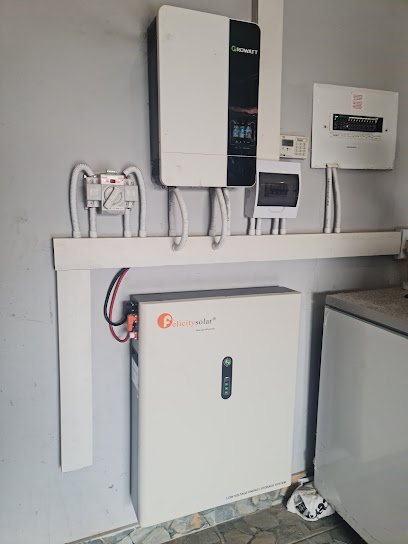
In addition to conventional grid-tied and off-grid configurations, the company lists hybrid systems and portable power options. On-grid systems connect to the municipal grid with no battery storage, reducing initial costs while providing solar-generated electricity when sunlight is available. Off-grid configurations rely on battery storage to power loads when solar production is insufficient. Hybrid systems combine grid reliability with storage, often delivering significant reductions in grid imports and offering a future pathway for expanded storage as needed.
Portable power solutions feature compact, mobile units designed to provide reliable power during load-shedding or in locations without immediate grid access. These portable systems offer all-in-one operation with AC and solar inputs, adaptable for home, office, or emergency use, and are designed for easy recharging from multiple sources.
Customer experience is reinforced by positive feedback from visitors and clients. Independent reviews highlight professional service, neat workmanship, efficiency, and competitive pricing. This feedback aligns with the company’s stated objectives of delivering high-quality installations and dependable energy solutions that support business continuity and household reliability.
Shesha Solar also publishes practical guidance for customers considering solar investments. The business emphasises the environmental and financial benefits of solar energy, noting lower operating costs, improved control over energy use, and potential tax incentives associated with green energy investments. The company presents a transparent service model, including residential, agricultural, and commercial/industrial sectors, with tailored approaches for each category.
Typical job types highlighted include residential solar installations, farming and agricultural energy solutions, and commercial/industrial solar projects. Project scopes commonly begin with a site assessment or review of electricity statements, followed by design, sizing, and formal quotations, and then installation, commissioning, and ongoing maintenance. The breadth of offer implies capability across small to large-scale deployments, from domestic rooftops to multi-megawatt commercial estates.
Practical tips for customers planning to engage Shesha Solar include arranging a preliminary site visit or supplying recent electricity statements to accelerate design and quotation work, requesting a detailed BOQ to understand the cost breakdown, and discussing maintenance agreements upfront to protect long-term performance. Prospective buyers should consider hybrid solutions when storage and future battery upgrades are anticipated, and explore potential incentives or tax relief that accompany green energy projects. For communities and businesses seeking dependable power during outages, a staged approach beginning with a smaller system and expanding storage capacity over time can offer a balanced path to energy security.
- Key services: solar design and sizing, storage design, project management, BOQ preparation, materials sourcing, and solar consulting.
- Typical system types: On-Grid, Off-Grid, Hybrid, and Portable Power Solutions.
- Process: Site/specs submission → Quote → Approvals → Installation preparations → Commissioning → Handover.
Shesha Solar serves Gauteng, with a focus on Lehae and surrounding areas, aiming to provide scalable solar energy solutions for homes, farms, and businesses. The company articulates a clear roadmap from initial assessment through to ongoing support, positioning itself as a comprehensive partner for solar projects across diverse sectors.
Business hours and exact visit timings are not specified on the public pages, but the location is presented as serving the Gauteng region, including Lehae. The company emphasises customer-centric service, quality products with warranties, and a commitment to reducing both energy costs and grid dependency.
Lehae
Gauteng
South Africa
Sorry, no records were found. Please adjust your search criteria and try again.
Sorry, unable to load the Maps API.
Solar energy services in Lehae, Gauteng
In Lehae, Gauteng, solar energy providers typically offer a range of services designed to help residential and small commercial customers capture and convert sunlight into usable electricity. The landscape emphasises practical solutions that suit local climates, urban properties, and the energy requirements of households and small businesses alike. The approach is informed by South Africa’s abundant sunshine and the recurrent pressures on the national electricity grid, with many projects emphasising reliability, cost efficiency, and sustainability.
Service professionals usually begin with an on-site assessment to understand energy needs, roof orientation, shading, and available space. A preliminary review may consider electricity consumption patterns, peak demand periods, and the possibility of combining solar with existing electrical systems. From this starting point, a tailored plan is prepared that outlines system size, component quality, and installation timelines. The goal is to deliver a coherent solution that balances upfront costs with long-term savings and resilience against power interruptions.
Common offerings include the design and installation of photovoltaic (PV) arrays, which convert sunlight into direct current electricity and feed it through inverters to the building’s electrical system. Systems may be configured as grid-tied, meaning excess energy can be fed back to the local grid where permitted, or as off-grid arrangements with battery storage to provide power during outages or periods of low solar generation. Some projects integrate solar water heating or hybrid solutions that optimise both space and energy use, particularly in homes with high evening demand.
Maintenance and aftercare form a regular part of the service mix. Routine inspections check for loose fittings, electrical connections, blown fuses, and mounting integrity. Inverter monitoring and performance reporting help keep systems running at expected efficiency, while battery maintenance involves careful handling, charging management, and replacement planning when necessary. Providers often offer remote monitoring or periodic site visits to confirm system health and address any anomalies promptly.
Customers can expect guidance on insurance implications, warranties, and safe operation. Practical considerations frequently discussed include roof condition and structural support, the weight and wind loading risks of solar arrays, and compliance with local planning rules and electrical regulations. Where applicable, assistance with permit applications or coordination with municipal authorities may be provided to ensure a compliant and orderly installation process. The chosen solution should also address practicalities such as achievable space on rooftops or grounds, cable routes, and ease of future maintenance access.
Costs are typically influenced by system size, component quality, and the extent of optimisation for a given property. While precise figures vary, informed providers emphasise transparent pricing structures that cover equipment, installation, commissioning, and post-installation support. Customers are encouraged to compare several quotes, assess the long-term value of each proposal, and consider the expected lifetime of components, performance guarantees, and service commitments. In Lehae, as in many Gauteng communities, the integration of solar with existing electrical infrastructure is a practical route to reducing monthly utility bills and enhancing energy security.
For property owners, the decision often hinges on a balance between upfront investment and long-term energy independence. Practical expectations include reliable performance in sunny conditions, predictable maintenance routines, and a clear understanding of how the system interacts with local electricity tariffs and potential incentives. The experience of installing solar energy solutions in Lehae tends to reflect a collaborative process where technical expertise meets local knowledge, yielding installations that are efficient, durable, and well adapted to the needs of homes and small enterprises in Gauteng.
- Site assessment and energy needs analysis
- PV system design and engineering
- Rooftop or ground-mounted solar array installation
- Grid-tied systems with possible back-up options
- Battery storage and hybrid configurations
- Solar water heating integration
- System commissioning, monitoring, and maintenance
- Permit navigation and regulatory guidance where applicable