
NECS ENGINEERS is a Solar energy company establishment in Thulamela Local Municipality, Limpopo, South Africa
NECS ENGINEERS: Solar energy services in Thulamela Local Municipality, Limpopo
NECS ENGINEERS is presented as a local engineering enterprise located in the Thulamela Local Municipality area of Limpopo, South Africa. The available online content highlights customer interaction through digital channels, notably a quote request function linked to the company’s website. While detailed service descriptions are not provided in the public pages accessed, the presence of a dedicated quote request and appointment or order-related links indicates a focus on service-based engagements, potentially within the solar energy and broader electrical engineering space.
Customer experiences shared by visitors emphasise positive sentiment about the quality of workmanship. Several reviews describe the team as “one of the best” and “amazing at their work,” with other comments noting that the team is doing “great work.” Such feedback suggests a reputation for reliable delivery and skill, even though the specific scope of projects remains unformulated in the publicly visible content. These testimonials align with the impression of a small-to-mid sized local service provider aiming to secure projects through customer referrals and word-of-mouth praise.
From the structure of the website, potential clients typically encounter a pathway to engage the firm via quotation and scheduling tools. A prominent “Quote request” option signals an initial step for new customers to obtain pricing or project scoping. The presence of “Book now” and “Shop now” links also hints at a service model that accommodates initial consultations, project planning, and perhaps product sales or procurement related to the engineering field. The site’s cookie notice indicates standard site analytics and marketing practices commonly used by service businesses to optimise customer experience.
In terms of coverage, the business is associated with Thulamela Local Municipality in Limpopo, indicating a focus on projects within that geographic area. The public-facing information does not specify additional service regions, hours of operation, or particular customer sectors, so prospective clients should expect a generalist approach unless further details are provided through direct inquiry.
Typical job types and service categories
Given the lack of explicit service listings on the publicly available pages, it is prudent to describe potential categories in broad terms consistent with the firm’s stated domain as a solar energy company, alongside the broader engineering context. Typical projects for small engineering outfits in this region often include:
-
<liElectrical installations and upgrades for commercial or residential properties
<liEnergy efficiency assessments and advisory work
<liSolar photovoltaic system design, installation, and commissioning (subject to confirmation from the firm)
<liMaintenance and troubleshooting of electrical or energy systems
However, these items remain speculative in the absence of formal service descriptions on the site. The best approach for prospective clients is to initiate a quote request to obtain explicit scope, pricing, and timelines tailored to the specific project type.
How requests usually work
Based on the available content, the customer journey typically follows these steps:
- A visitor arrives at the NECS ENGINEERS online presence and identifies a relevant action such as “Quote request” or “Book now.”
- The prospective client completes an online form or reaches out to initiate a consultation or site assessment.
- The firm responds with a quotation or scheduling details, enabling the client to progress with project planning and execution.
The included reviews suggest a responsive and professional approach from the team, reinforcing a user experience built around timely communication and solid workmanship, albeit without industry-specific claims on the public pages.
Practical tips for customers
- Prepare a brief project outline before requesting a quote (site location, energy goals, budget range, and any existing electrical infrastructure).
- Ask for a clear breakdown of costs, timelines, and the scope of work in writing as part of the quotation.
- Request references or case studies from similar projects, and verify any relevant licences or qualifications for electrical and solar work.
- Clarify warranty terms, maintenance requirements, and after-care support provided after installation or service.
- Plan site access and safety considerations ahead of any site visit or assessment, especially in commercial premises.
For potential customers in the Limpopo region, especially within Thulamela Local Municipality, NECS ENGINEERS appears to offer a straightforward path to engagement through online quotation and scheduling tools, coupled with a track record of positive customer feedback. While explicit service descriptions are not currently visible, the firm’s online presence supports initial inquiries and project scoping in the solar energy and engineering arena.
Note: The information above is based on the publicly available website content and visitor reviews. Details such as specific services, hours of operation, and geographic coverage may be updated by the company; direct confirmation through a formal quotation or enquiry is advised for precise project planning.
Thulamela Local Municipality
Limpopo
South Africa
Sorry, no records were found. Please adjust your search criteria and try again.
Sorry, unable to load the Maps API.
Solar Energy Services in Thulamela Local Municipality, Limpopo
In Thulamela, Limpopo, solar energy companies typically provide a range of services designed to help homes and small businesses harness the sun’s power. From initial assessments to ongoing maintenance, the focus is on practical, locally suitable solutions that address the region’s climate, connectivity, and energy needs. The emphasis is often on reliable performance, straightforward installation, and clear long‑term planning for electricity supply and cost management.
Initial consultations usually involve understanding daily electricity usage, peak demand, and space available for solar equipment. The process commonly includes a site visit to assess roof orientation, shading from trees or neighbouring structures, and the feasibility of mounting photovoltaic panels. This assessment helps determine the appropriate system size, component mix, and configuration to balance generation with consumption patterns in a way that supports both daytime usage and potential storage needs.
One core service is system design, where a solar installation is tailored to specific premises. Designers consider options such as grid‑tied systems that feed excess energy back into the public network, or off‑grid arrangements supported by battery storage for continuity during outages. For many residents and small enterprises, hybrid approaches that combine solar generation with backup power are preferred to ensure a stable supply beyond daylight hours and during periods of lower sunshine.
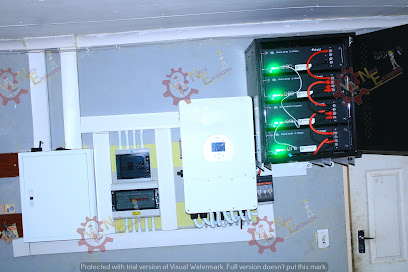
Installation services cover the physical assembly and commissioning of components, including solar panels, inverters, mounting frames, electrical safety equipment, and, where applicable, storage batteries. Local practices may also address wiring standards, safety clearances, and integration with existing electrical systems. The aim is to deliver a robust, weather‑resistant installation that performs efficiently under Limpopo’s climate, while complying with regional regulations and standards.
Maintenance and aftercare form an essential part of the offering. Routine inspections check for loose fittings, wiring integrity, panel cleanliness, and inverter health. Maintenance plans may include performance monitoring to identify downward trends in generation, facilitating timely repairs or replacements. Warranties and service intervals are commonly discussed to provide reassurance about longevity and ongoing support.
Customers can expect guidance on practical considerations, such as the impact of seasonal weather, seasonal shading, dust, and the potential need for panel cleaning. Dealers often advise on battery options, charging cycles, and the implications of storing energy for use during peak tariff periods or outages. Where storage is included, attention is given to charge‑discharge management, depth of discharge, and safe handling.
Operationally, solar energy services in Thulamela typically involve collaboration with local suppliers and installers who understand the regional grid and infrastructure. The customer journey usually progresses from an initial assessment to design, installation, and ongoing support. Financial considerations are addressed through general guidance on procurement timelines, potential financing routes, and the overall cost‑benefit narrative, without asserting any fixed pricing or promotional terms.
Practical considerations often include permitting requirements, grid connection arrangements, and the need to accommodate planned future upgrades. Communication is framed around clear expectations for project timelines, potential disruption during installation, and the importance of routine checks to maximise system uptime. In conclusion, solar energy services in Thulamela offer a practical route to cleaner, more self‑reliant electricity, with an emphasis on customised design, dependable installation, and proactive maintenance tailored to the local environment.
- Site assessment and system design
- Panel installation and electrical integration
- Battery storage and hybrid energy solutions
- Maintenance, monitoring, and performance optimisation
- Energy audits and consumption analysis