Rhino Sun is a Solar energy company establishment in Mbombela, Mpumalanga, South Africa
Rhino Sun: Solar energy solutions for residential, agricultural and commercial needs in Mbombela
Rhino Sun operates as an environmentally focused solar power company based in Nelspruit (Mbombela), Mpumalanga, South Africa, with a nationwide delivery capability. The business emphasises harvesting solar energy to improve living standards while conserving wildlife and natural resources. Its core proposition lies in guiding customers through the solar transition with expert advice, competitive pricing and professional installation services. The company positions itself as an installer and supplier of a full range of solar products to residential, agricultural, commercial and industrial sectors, alongside providing solar components to installers across South Africa.
The service offering covers the design, supply and installation of solar systems tailored to energy objectives. Rhino Sun stresses its experience and accredited electrical teams, which aim to deliver systems that help customers navigate electricity reliability challenges in South Africa, including load shedding. A notable feature of the business is its role as an official distributor for Riken electrical components, and its partnerships with Huawei, CHINT, Longi Solar, Dyness and other international brands. This enables a broad portfolio of solar panels, inverters, batteries, lights, generators and related equipment to be accessed directly by clients and installers alike.
Rhino Sun markets a full lifecycle approach to solar projects. Services highlighted include custom designs, competitive quotations for products, delivery and installation, and ongoing guidance for system management. The company also provides specialised services for the agricultural and commercial & industrial (C&I) sectors, illustrating a focus on diverse operating environments—from homes to larger facilities. For installers, Rhino Sun offers installation kits and access to a wide range of solar products, reinforcing its role as a supplier and partner to the solar trade.
Typical project streams described through the company literature include:
- Residential solar systems designed to increase energy autonomy at homes, with advice and free quotes on suitable configurations.
- Agricultural installations where solar power provides an economical electricity supply for farms.
- Commercial and Industrial installations addressing electrical reliability and cost-saving opportunities for businesses facing outages and rising utility costs.
- Installers’ programmes that supply installation kits, equipment and expert guidance to support nationwide solar projects.
In terms of customer experience, Rhino Sun highlights a consultative process aimed at identifying energy goals and offering customised system designs. Quotations are described as competitive, with a clear path from product selection through to installation. The company’s communications imply responsiveness and professionalism, as reflected in customer feedback that discusses timely project delivery and solid aftercare, though online reviews also reflect mixed experiences. The visitor commentary includes praise for reliability, neat installations and noticeable reductions in electricity consumption after commissioning, while one review notes disputes related to payment and post-installation service, underscoring the importance of clear agreements and project governance in solar builds.
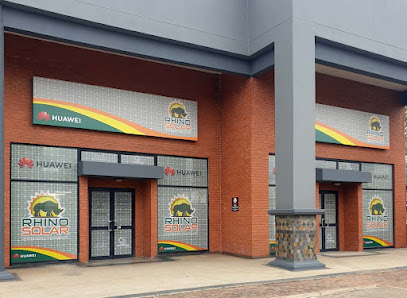
Rhino Sun’s geographic reach is centred on Mbombela, with the capacity to assist clients across South Africa. While the physical store operates in Nelspruit, the business advertises national delivery and a solar calculator tool to estimate requirements remotely. This combination supports both local projects and remote collaborations with installers and customers nationwide.
Practical tips for customers considering Rhino Sun include evaluating energy objectives early, using the company’s solar calculator to estimate system needs, and requesting a comprehensive quote that itemises products, delivery, installation and aftercare. Prospective buyers may also want to review the brand mix and the range of components available—particularly if considering CHINT or Riken parts—as well as confirming installation timelines, payment terms and warranty expectations before committing to a project. For organisations in agriculture or industry, outlining the specific load profiles and backup requirements can help align system design with operational realities.
Rhino Sun operates within the broader South African solar market, emphasising renewable energy as a practical response to electricity reliability concerns. The company’s blend of design capability, supplier breadth and installer support positions it as a versatile partner for customers exploring residential, agricultural or commercial solar solutions in Mpumalanga and beyond.
Mbombela
Mpumalanga
South Africa
Sorry, no records were found. Please adjust your search criteria and try again.
Sorry, unable to load the Maps API.
Solar Energy Services in Mbombela, Mpumalanga
In Mbombela, Mpumalanga, solar energy companies provide a range of services designed to help property owners reduce electricity dependence and meet sustainability goals. The offerings typically cover assessment, design, installation, integration, and ongoing support for both residential and commercial customers. With ample sunshine throughout much of the year, the region presents opportunities for solar generation that can complement existing electrical infrastructure and improve resilience during outages.
Initial assessments usually involve an on-site survey to understand energy needs, roof or ground mounting options, shading considerations, and local regulatory requirements. A dedicated consultant or engineer may review past electricity bills, peak demand, and space available for equipment. The outcome is a tailored system concept that balances budget, performance, and practicality. The consultation often continues with a detailed proposal outlining system size, equipment choices, projected savings, and a timetable for installation.
Design and engineering services focus on configuring photovoltaic (PV) arrays, inverters, batteries (where applicable), and auxiliary components. The goal is to optimise energy capture while ensuring safe operation and compatibility with the existing electrical distribution board. For grid-tied systems, stylised designs consider net metering arrangements and interconnection requirements. For off-grid or hybrid configurations, the emphasis shifts to energy storage, reliability, and the ability to supply critical loads during interruptions.
Installation is delivered by skilled technicians who handle mounting, wiring, and system commissioning. Rooftop installations are common for homes and small businesses, while larger commercial projects may employ ground-mounted setups. Throughout the process, attention is paid to safety, cable management, weatherproofing, and adherence to local electrical standards. After installation, the system is tested to verify performance, safety, and monitoring functionality. Customers can typically expect a clear handover detailing how to operate the system and interpret performance data.
Monitoring and aftercare are important aspects of service. Many providers offer remote monitoring to track energy production, consumption patterns, and system health. Regular maintenance visits can address panel cleanliness, inverter checks, battery health (where used), and wiring inspections. Preventive maintenance helps extend component life and sustain optimal performance, especially in a climate that experiences variable weather conditions and occasional storms.
Maintenance plans, warranties, and service contracts form a standard part of the offering. Warranties may cover PV modules, inverters, batteries, and the installation workmanship, subject to proper system operation and periodic servicing. Some customers opt for extended support agreements that include fault diagnosis, parts replacement, and annual performance reviews. The exact terms vary by provider and project, so the specific scope should be confirmed during the proposal stage.
Practical considerations for clients include assessing roof integrity and orientation, shading from adjacent trees or structures, and the feasibility of mounting on existing façades or carports. Local considerations also encompass electricity tariff structures, potential incentives, and the process for grid connection or off-grid operation. Providers typically guide customers through permitting, site approvals, and any necessary approvals from local authorities or the utility, helping to streamline the transition to solar energy.
Customers in Mbombela can expect a professional service that respects both budget and practicality, with an emphasis on clear communication, transparent timelines, and realistic performance expectations. By choosing a local solar energy company, clients gain access to regional knowledge of sun patterns, weather variations, and maintenance schedules that are tailored to Mpumalanga’s climate. The outcome is a customised solar solution aimed at delivering reliable, sustainable power for homes and businesses alike.