Solarfirst : Muranda Mambo : Durban is a Energy supplier establishment in Durban, KwaZulu-Natal, South Africa
Solarfirst: Muranda Mambo, Durban – Energy Solutions and Dealer Network
Muranda Mambo, established in 2015, operates as a holding company with transnational interests in digital sustainable energy, sustainable mobility, real estate and hospitality. In the Durban region, the organisation presents Solarfirst as a core division within its broader energy portfolio. The business focuses on designing, manufacturing, importing and distributing specialised Sustainable Energy Production and Management Systems for a range of settings, from domestic use to commercial, industrial and utility-scale applications. Durban forms part of a Southern Africa-wide footprint that includes Johannesburg as the head office and multiple regional branches, with an emphasis on solar solutions, wind energy and electric mobility.
Solarfirst is presented as the brand through which Muranda Mambo delivers its energy products and services. The company highlights a strategic commitment to product quality, packaging and pricing, subject to rigorous evaluation before distribution. The model centres on expert distribution, extensive dealer networks and close, ongoing relationships with partners. The Durban area is served through a regional presence, ensuring local access to Solarfirst solutions via Muranda Mambo’s network rather than direct consumer sales alone.
The organisation’s approach to the market is framed by a three-pronged philosophy known as the 3 Ps: People, Product, and Process. This framework underpins interactions with clients and partners, aiming to combine skilled personnel, carefully selected product lines, and well‑defined processes that support consistent service delivery. The articulated strategy emphasises building durable relationships with dealers, retailers, agents and sub‑distributors, enabling a wide-reaching distribution channel across Southern Africa.
In practical terms, Solarfirst’s value proposition revolves around sustainable energy systems designed for a spectrum of applications. The product scope includes solar energy solutions and related energy management systems, with additional focus on sustainable mobility and wind energy solutions. The Durban operation aligns with Muranda Mambo’s broader goal of enabling end users to access the latest sustainable technologies through a robust distribution network.
Typical engagement pathways for Solarfirst in Durban involve collaboration with registered dealers facilitated by Muranda Mambo’s expansive network. The company notes the existence of a substantial dealer ecosystem—reportedly over 2,500 dealers, retailers, agents and sub‑distributors across Southern Africa—through which end users access products and services. While dealer-led distribution is the current primary route to market, there are indications of forthcoming e-commerce capabilities intended to serve end users directly, subject to development timelines. This suggests both a strong partner-driven model and an evolving consumer direct channel in the Durban region.
Education and support are emphasised in the dealer relationships. The firm describes ongoing engagement that includes training and personalised interaction with dealers to understand market needs and marketing considerations. Such efforts aim to ensure the right products are matched with client requirements, reinforcing value through reliable aftercare and a consistent supply pipeline.
Local availability in Durban is supported by contact points and regional offices listed in Muranda Mambo’s materials. The Durban location is part of a broader network that includes the South African head office in Johannesburg and regional branches in Capetown, Nelspruit and beyond. The Durban site contributes to the regional ability to respond to projects and customer queries with timely expertise and on-site support for installation and integration of solar and related energy systems.
Customers considering Solarfirst offerings in Durban can expect a typical project flow that begins with identifying suitable energy solutions aligned to the client’s domestic, commercial or industrial needs. Following product selection, installed systems are designed, tested and deployed through Muranda Mambo’s distribution and installation partners. End-user projects may involve site assessments, utility-scale planning, battery storage solutions and integration with existing infrastructure, reflecting the scale and diversity of projects described within the broader Solarfirst portfolio.
Practical tips for customers
- Confirm whether the Durban project will be serviced through a registered Solarfirst dealer or via Muranda Mambo’s regional office and distributor network.
- Request an outline of the proposed solar energy or wind energy solution, including expected system capacity (kW/kWh), storage options and maintenance requirements.
- Ask about after-sales support, warranties, and the availability of spare parts through the local dealer network.
- Inquire about the timeline for potential e-commerce purchases if direct-to-end-user buying is preferred in the future.
- Clarify installation logistics and whether on-site assessments are required prior to finalising a solution.
Durban’s Solarfirst offering sits within Muranda Mambo’s broader mission to deliver sustainable energy and mobility solutions across Southern Africa. The activity is anchored by a substantial dealer ecosystem, a focus on product quality and a process-driven distribution model, and an expanding footprint designed to support regionally diverse energy projects from domestic installations to larger-scale commercial deployments.
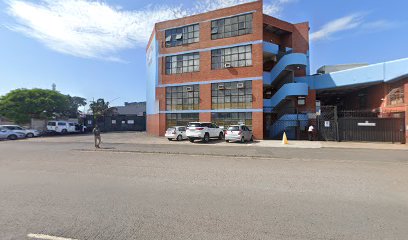
Operational details and contact points for the Durban region are hosted within Muranda Mambo’s network, with the Durban office located at Unit 24, Xtra Space Park, 41 Khuzimpi Shezi Road, Berea, Durban, and telephone access via local regional lines.
Durban
KwaZulu-Natal
South Africa
Sorry, no records were found. Please adjust your search criteria and try again.
Sorry, unable to load the Maps API.
Energy supplier services in Durban, KwaZulu-Natal
Energy suppliers in Durban, KwaZulu-Natal cover a range of services geared towards powering homes and businesses while navigating the region’s unique energy landscape. The urban and coastal environment of Durban often means residential and commercial clients require reliable electricity supply, clear billing, and practical guidance on consumption and efficiency. Providers typically operate within the framework of national and provincial regulations, with emphasis on safe metering, accurate billing, and responsive customer service.
Metering, billing and payment options are central to energy supplier offerings. Customers can generally expect regular meter readings or remote meter data collection, followed by monthly or bi-monthly bills. Billing may reflect different tariff structures, including time-of-use or standard rates, and may incorporate separate charges for supply, distribution, and any applicable levies. Payment options commonly include in-person, online, and EFT methods, with some arrangements offering prepaid metering for greater control over expenditure. Where prepaid meters are in place, customers can top up credit and monitor remaining balance, enabling greater budgeting flexibility.
Customer service and account management form a core part of Durban’s energy supplier landscape. This typically includes assistance with setting up new supply accounts, transferring service when moving premises, and correcting any metering or billing discrepancies. Useful support often covers guidance on utility-led programmes, such as payment relief measures during periods of high demand or supply interruptions, and the process for reporting outages or service faults. Response times and service levels can vary, but consumers generally expect timely information on outages, estimated restoration times, and instructions on safety during faults.
The region’s energy profile and regulatory setting influence how services are delivered. Durban is part of KwaZulu-Natal, where electricity supply comes from a combination of national generation and regional distribution networks. This arrangement can lead to occasional load shedding or planned outages, particularly during periods of high demand or constrained generation. Energy suppliers typically communicate notices about planned maintenance, load-shedding schedules, and any local restoration updates. Customers are advised to stay informed through approved channels and to implement contingency plans for critical operations or medical needs.
Renewable energy and energy efficiency support are increasingly prominent in Durban. Suppliers may offer information and guidance on solar photovoltaic (PV) installations, battery storage options, and net metering where applicable. While the specifics of programmes and incentives can evolve, customers can generally expect general advice on how solar or hybrid systems might interact with existing electrical service, potential reductions in grid reliance, and considerations for safety, warranties, and local regulations. Guidance on energy-saving practices, appliance efficiency, and home or business energy audits is commonly available to help manage consumption and costs.
Practical considerations for consumers include understanding local service areas, payment reliability, and the implications of maintenance work on supply resilience. It is prudent to review preferred contact methods, available self-service tools, and the clarity of bills, including any line items that account for demand charges or levies. For businesses, considerations extend to load management, reliable power supply for critical processes, and the potential impact of outages on operations.
In summary, energy supplier services in Durban, KwaZulu-Natal, focus on delivering dependable electricity, clear and accessible billing, responsive customer support, and practical guidance on energy efficiency and renewable options. The aim is to enable customers to manage consumption effectively while navigating the local energy environment with informed expectations about outages, tariffs, and service reliability.