
Call-Tow Towing and Recovery is a Towing service establishment in Hibiscus Coast Local Municipality, KwaZulu-Natal, South Africa
Call-Tow Towing and Recovery: Towing Services and Customer Experience on KwaZulu-Natal’s Hibiscus Coast
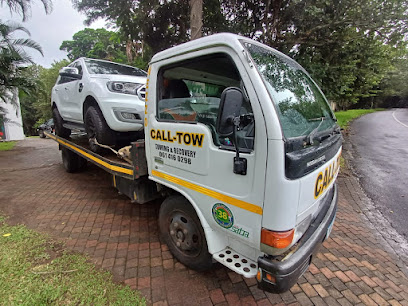
Call-Tow Towing and Recovery operates as a round-the-clock roadside assistance and towing provider serving the Hibiscus Coast area of KwaZulu-Natal, South Africa. Marketed as a 24/7 service, the company presents itself as ready to respond to vehicle emergencies at any time, every day of the week. The service profile emphasises a concise, practical approach to vehicle incidents, aiming to deliver fast, courteous, and affordable support for motorists in need.
Key offerings are centred around emergency response and recovery capabilities. The primary service categories include professional car towing and recoveries, with additional support for truck recoveries where required. The business additionally advertises a range of roadside assistance options designed to keep motorists mobile or safely off the road, such as tyre changes, dealing with flat batteries, and fuel run assistance. The service is described as insurance-approved with public liability and goods-in-transit cover, which provides a level of reassurance regarding the handling of vehicles and any incidental risks during operations. The blend of insurance credentials and practical roadside services positions Call-Tow as a general-purpose partner for unexpected vehicle failures and accident-related recovery needs.
Customer experience appears consistently positive across multiple independent notes. Review snippets frequently highlight punctuality, courtesy, and a friendly demeanour from drivers, with several accounts describing on-time arrivals and respectful, helpful interaction. This aligns with the company’s stated emphasis on fast, courteous service, and professional advice. The presence of a workshop component, referenced by reviewers who mention a named mechanic associated with repairs, adds an impression of a broader support network beyond mere towing or transport. The overall sentiment from customer feedback is one of reliability, with emphasis on safety, efficiency, and clear communication during and after service interactions.
Typical job types described in online mentions cover standard roadside incidents: flat batteries, tyre failures, and empty concerns around fuel, alongside more involved towing and recoveries. The service scope therefore appears well suited to common urban and coastal travel disruptions across the Hibiscus Coast corridor, including towns along the N2 and surrounding routes where vehicle breakdowns or incidents might require rapid response and secure handling of vehicles and cargo.
In terms of practical operations, Call-Tow advertises several distinct service features that commonly align with customer needs in emergency scenarios. These include emergency road assistance, car towing, recoveries, tyre changes, fuel delivery or runs, and battery-related assistance. The insurance-approved status is positioned as a differentiator, suggesting a focus on legitimate, professionally managed service with appropriate coverage for standard roadside emergencies and vehicle transport.
How requests typically work
While the precise workflow is not exhaustively detailed online, the combination of 24/7 availability and the breadth of stated services implies a straightforward process: a report of the incident or breakdown, dispatch of a tow or roadside assistance team, on-site assessment, and execution of the required service—whether immediate roadside support or vehicle transfer to a workshop or other safe location. The accessibility implied by a single contact number and around-the-clock service further suggests a streamlined communication approach designed to minimise waiting times for callers in distress.
Tips for customers
- Share clear location details and any relevant safety information when requesting assistance to help responders reach the site quickly.
- Keep a note of the insurance and liability coverage details where possible, given the emphasis on insurance-approved services and goods in transit cover.
- If a vehicle recovery or towing is anticipated, ask about the most suitable destination for the vehicle (e.g., a servicing workshop or storage facility) to avoid delays.
- For recurring or frequent needs, consider confirming ongoing coverage for roadside assistance, especially for coastal travel during peak seasons when incidents may rise.
- In the event of a flat battery or tyre issue, confirm whether a tyre change is included in the service and what equipment will be used on arrival.
Hours and service area
Call-Tow explicitly markets its operations as a 24-hour service, seven days a week, underscoring availability for urgent situations at any time. The coverage is described as serving South Africa, with specific regional interpretations of the Hibiscus Coast Local Municipality in KwaZulu-Natal, suggesting a focus on coastal communities around towns such as methodological points of reference in the region. The company’s profile is reinforced by multiple local customer reviews that mention journeys through nearby towns and routes, indicating practical experience across the Hibiscus Coast area.
Overall, Call-Tow Towing and Recovery presents as a pragmatic, customer-focused towing and roadside support option for residents and travellers on the Hibiscus Coast. The combination of 24/7 availability, insurance-backed service, and positive driver courtesy noted by customers contribute to a reliable impression for individuals seeking prompt vehicle assistance in this KwaZulu-Natal locality.
Hibiscus Coast Local Municipality
KwaZulu-Natal
South Africa
Sorry, no records were found. Please adjust your search criteria and try again.
Sorry, unable to load the Maps API.
Towing Services in Hibiscus Coast Local Municipality
Within the Hibiscus Coast Local Municipality in KwaZulu-Natal, the provision of towing services encompasses a range of essential roadside and recovery support. This coastal region, known for its coastal resorts, residential towns, and relatively challenging rural routes, relies on professional operators to handle incidents such as breakdowns, accidents, and vehicle immobilisation. Towing services here typically combine rapid response with careful handling of vehicles, aiming to minimise disruption to motorists and restore mobility as swiftly and safely as possible.
Core offerings commonly available to motorists include 24-hour call-out assistance, on-site flat or containerised storage arrangements, and the transportation of vehicles to repair facilities, dealerships, or secure yards. In many cases, operators provide a mix of light towing for cars and small vans, aerial or winch-based recoveries for short distances, and heavier towing for larger vehicles or specialised equipment. Depending on the location and weather, services may extend to off-road recoveries from beaches, dunes, or informal access routes along the coastline and inland reaches.
Customers can expect a standard call-out process. A dispatch operator typically gathers essential information such as the vehicle type, location, nature of the incident, and any hazards present. A nearby, appropriately equipped towing vehicle is sent to the scene. Upon arrival, the operator assesses the situation, ensures personal safety and traffic management where required, and discusses suitable recovery or towing options with the vehicle owner or authorised driver. Transparency around the chosen method, potential costs, and expected arrival times is generally provided, with clear guidance on what the next steps entail.
When vehicles are immobilised, a common sequence involves stabilising the scene, securing the vehicle, and using appropriate recovery equipment to either retrieve the vehicle from a shoulder, ditch, or difficult terrain, or to prepare it for transport to a workshop. In urban or coastal areas such as Ballito, Salt Rock, or other coastal towns within the district, narrow roads and busy traffic can necessitate careful coordination, scheduling, and sometimes partial road closures to ensure safe operations. Reputable operators prioritise adherence to safety standards, damage prevention, and respectful handling of customers' property.
Practical considerations for customers include the availability of documentation, such as proof of ownership and, where relevant, insurance details. In situations involving accidents, it is prudent to photograph the scene if safe to do so and to obtain the other party’s contact and vehicle information. Storage arrangements, which may involve short-term holding at a secure yard, can influence downstream logistics and costs. While price variations exist across providers and circumstances, many operators offer straightforward fee structures based on distance, vehicle type, and the complexity of the recovery job. It is advisable to request a written estimate before committing to extensive work where possible.
Beyond the mechanics of recovery, reputable services may assist with ancillary needs such as coordinating onward transport to a preferred workshop, arranging temporary transport for passengers if required, and guiding customers through next steps in vehicle repair or replacement. In the Hibiscus Coast region, weather conditions—such as heavy rain, tropical storms, or coastal winds—can impact response times and recovery operations, underscoring the value of choosing a local operator with regional familiarity and appropriate equipment.
In summary, towing service providers in the Hibiscus Coast Local Municipality offer a blend of rapid response, careful vehicle handling, and practical recovery solutions tailored to coastal and inland routes. Motorists can expect professional assessment at the scene, transparent communication about options and costs, and support aimed at restoring mobility with attention to safety and vehículo protection throughout the process.
- Prepare essential details for the call-out: location, vehicle type, and any hazards.
- Be aware of potential storage or towing costs and obtain a written estimate where feasible.
- Consider weather and traffic conditions that may affect response times.